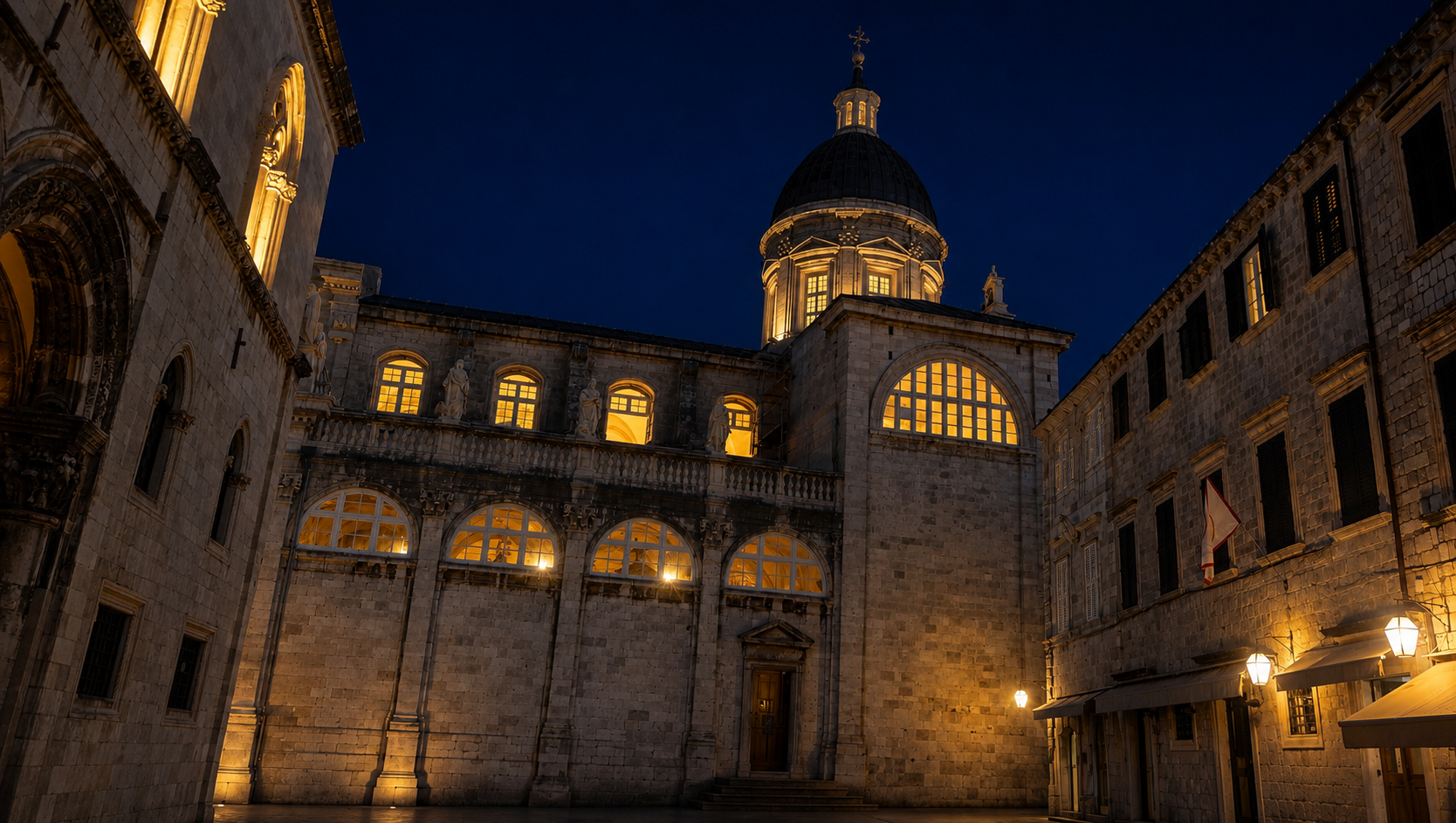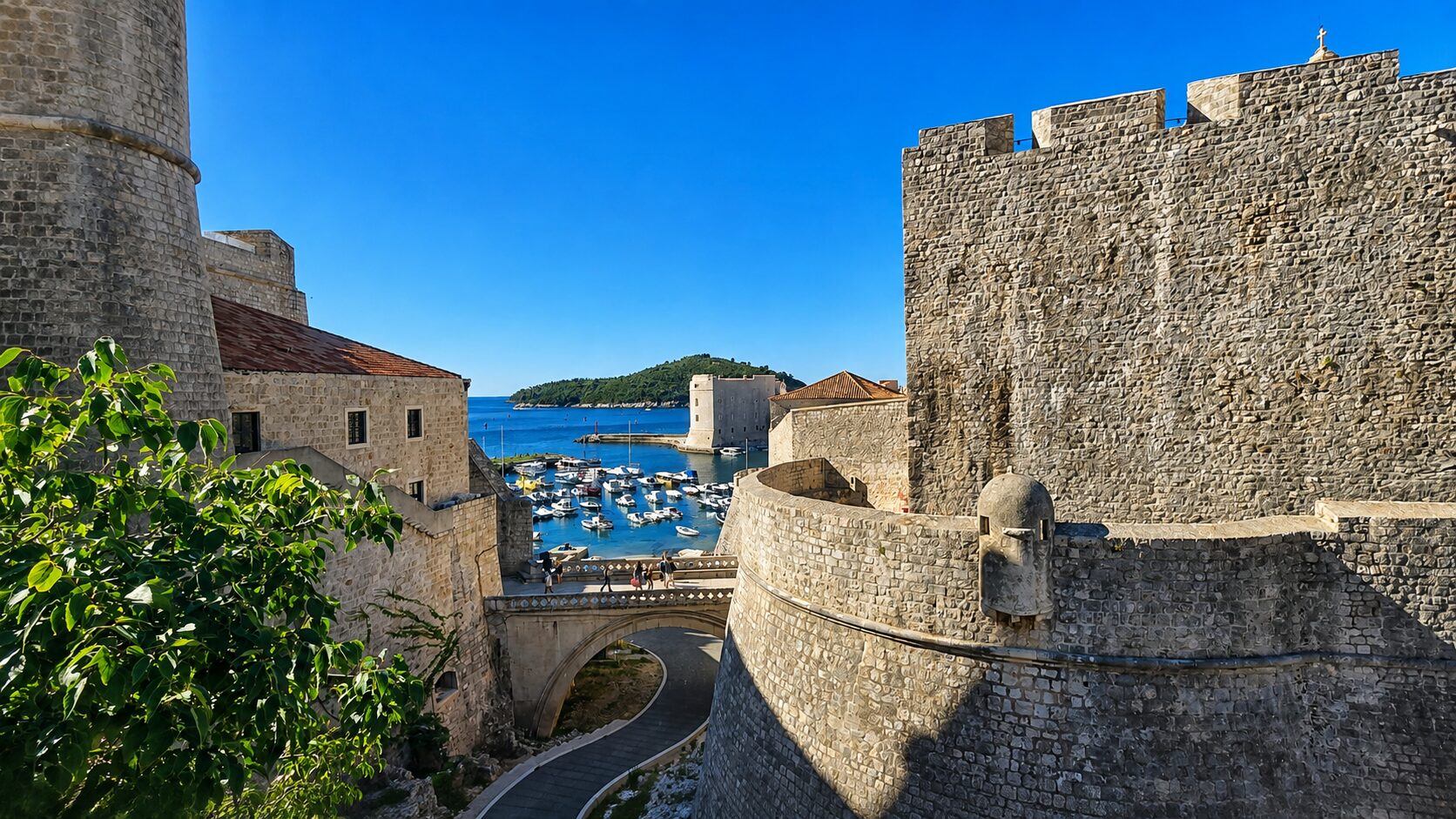
Dubrovnik may look compact on a map, but planning four days here still requires thoughtful timing.
The Old Town, City Walls, Mount Srđ, nearby islands and regional day trips can easily fill several days. Summer heat, cruise-ship arrivals and Dubrovnik’s many stone steps also affect how much you can comfortably include.
This 4-day Dubrovnik itinerary is designed for first-time visitors who want to see the city’s essential landmarks without spending the entire holiday rushing from one attraction to another.
It combines history, panoramic views, the Adriatic Sea and one carefully chosen day trip. More importantly, it places each experience at a time when it is usually most enjoyable.
After more than ten years of guiding visitors through Dubrovnik, I have learned that the best itineraries are rarely the busiest ones. Guests often remember an unexpected local moment, a quiet side street or the changing afternoon light more clearly than the fifth monument they hurried to enter.
Travelers still deciding how long to stay may also find my guide to how many days you need in Dubrovnik useful.
Who This 4-Day Dubrovnik Itinerary Is Best For
This itinerary is ideal if you:
- are visiting Dubrovnik for the first time;
- enjoy history but do not want to spend every hour inside museums;
- want enough time for swimming and the Adriatic Sea;
- prefer a relaxed pace to rushing between attractions;
- are comfortable walking several kilometres each day;
- want to combine Dubrovnik with one regional excursion.
The schedule can also be adapted for families, senior travelers and visitors with limited mobility. However, the City Walls and many residential streets include steps, uneven surfaces and exposed sections without shade.
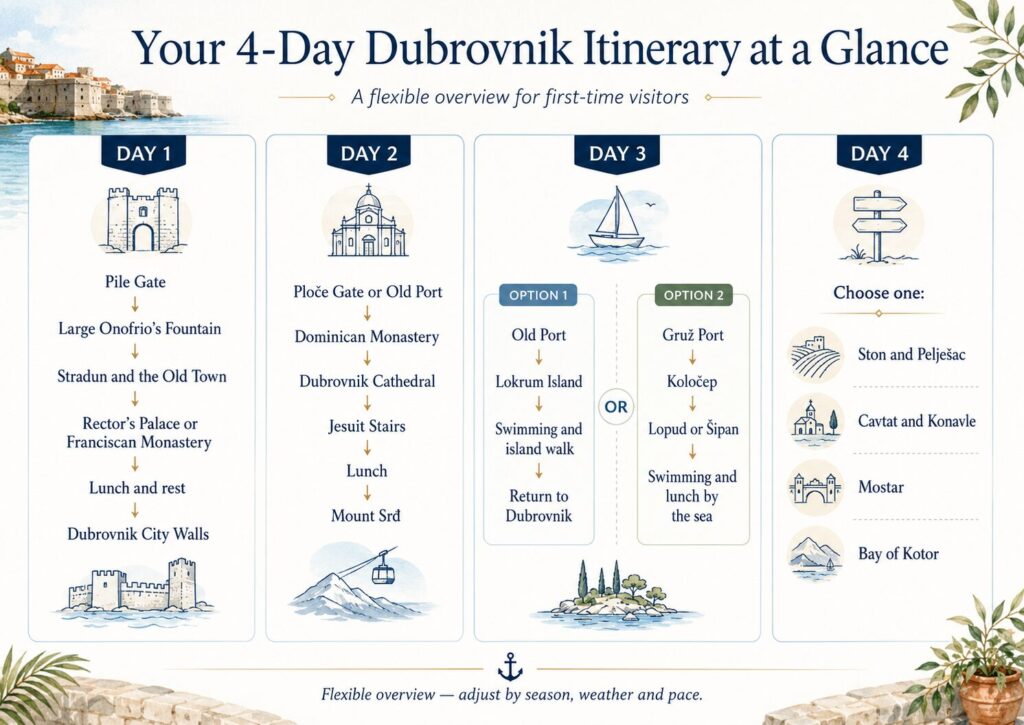
4-Day Dubrovnik Itinerary at a Glance
| Day | Morning | Afternoon | Evening |
|---|---|---|---|
| Day 1 | Dubrovnik Old Town | Lunch and a break | Dubrovnik City Walls |
| Day 2 | Palaces, monasteries and local streets | Mount Srđ | Dinner with a view |
| Day 3 | Lokrum or Elaphiti Islands | Swimming and sea experiences | Relaxed evening |
| Day 4 | Ston, Cavtat, Mostar or Bay of Kotor | Regional exploration | Final evening in Dubrovnik |
Your 4-Day Dubrovnik Route
Is a 4-Day Dubrovnik Itinerary Long Enough?
Four days is an excellent amount of time for a first visit.
It allows you to dedicate two days to Dubrovnik itself, one day to the Adriatic Sea and one day to the surrounding region.
During four days in Dubrovnik, you can experience:
- the Old Town without trying to see everything in a few hours;
- the complete City Walls walk;
- Mount Srđ and its panoramic viewpoints;
- Lokrum or the Elaphiti Islands;
- one regional day trip;
- relaxed lunches, swimming and unscheduled time.
Travelers staying for only one or two days should prioritize the Old Town, City Walls and Mount Srđ. Those staying five days or longer can add beach time, a private boat experience or a slow day in Cavtat.
For a broader overview, see my complete Dubrovnik travel guide.
Estimated Cost of This 4-Day Dubrovnik Itinerary
The following estimates are approximate costs per adult. They do not include accommodation, flights, airport transfers or private guiding.
Prices vary according to the season, restaurant choice, ticket changes and whether you travel independently, join a group excursion or arrange a private experience.
| Day | Main expenses | Estimated cost per adult |
|---|---|---|
| Day 1 | City Walls or Dubrovnik Pass, museum, lunch and coffee | €70–€125 |
| Day 2 | Monastery or museum, lunch, cable car and dinner | €75–€150 |
| Day 3: Lokrum | Boat and island admission, lunch and drinks | €50–€95 |
| Day 3: Elaphiti Islands | Boat excursion, lunch and drinks | €75–€200+ |
| Day 4: Cavtat | Transport, lunch and optional attractions | €40–€110 |
| Day 4: Ston | Transport or tour, walls, lunch or oyster tasting | €80–€220+ |
| Day 4: Mostar or Kotor | Excursion, food and admissions | €90–€260+ |
These figures are intended only for planning. Always check current official ticket prices and transport schedules shortly before your visit.
How to Use This 4-Day Dubrovnik Itinerary
This itinerary is not intended as a timetable that must be followed minute by minute.
Dubrovnik is best experienced at a measured pace. Lunch may take longer than expected, children may need an ice-cream break, or you may discover a quiet courtyard where you want to stay for another twenty minutes.
During warmer months, begin outdoor sightseeing early and leave the middle of the day for lunch, museums, swimming or rest. The limestone streets retain heat, while the City Walls provide very little shade.
Comfortable shoes, water and sun protection are essential.
For seasonal advice, consult my month-by-month guide to the best time to visit Dubrovnik.
What to Bring Each Day
For most days, bring:
- comfortable walking shoes;
- a refillable water bottle;
- sunscreen, sunglasses and a hat;
- light clothing that covers your shoulders when entering churches;
- a small amount of cash;
- a charged phone or camera.
Also bring:
- Day 3: swimsuit, towel and water shoes;
- Mostar or Kotor: passport and any documents required for crossing the border;
- City Walls: as little unnecessary weight as possible, particularly in summer.
Day 1 of Your 4-Day Dubrovnik Itinerary: Old Town and City Walls
Your first day should provide a clear introduction to Dubrovnik’s history, layout and identity.
Begin inside the Old Town before walking the City Walls later in the day. Seeing the streets first will help you understand the buildings, forts and neighbourhoods when you later view them from above.
8:00–10:30 AM: Explore Dubrovnik Old Town
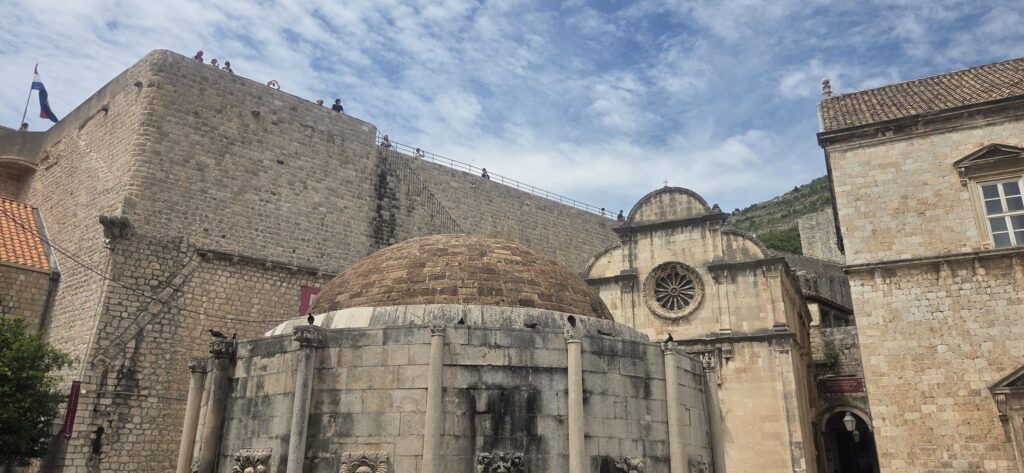
Enter through Pile Gate and begin near the Large Onofrio’s Fountain.
From here, walk along Stradun, Dubrovnik’s limestone-paved main street. Stradun connects the western and eastern gates and passes many of the Old Town’s most important landmarks.
My detailed local guide to Stradun follows the street from Pile Gate to Luža Square, including historical details, local characters and worthwhile stops.
Do not stay only on the main street.
Dubrovnik’s side lanes reveal residential houses, small churches, hidden courtyards and steep stairways climbing toward the northern and southern parts of the city.
One of my guests recently told me she was genuinely shocked by how many tiny lanes and hidden corners Dubrovnik has. From photographs, she had expected one grand main street and a few monumental squares. She had not expected the city to open into such a dense network of narrow passages, staircases and lived-in neighbourhoods.
That reaction is common. Dubrovnik looks compact from above, but at street level it feels layered and surprisingly intimate.
Large Onofrio’s Fountain
The fountain was built as part of Dubrovnik’s historic water-supply system and once marked the final point of an aqueduct bringing fresh water into the city.
Today, it remains one of the Old Town’s most recognizable meeting places.
Franciscan Monastery
The Franciscan complex contains a peaceful cloister and a historic pharmacy traditionally dated to 1317.
It is particularly interesting for visitors curious about medicine, architecture and everyday life in medieval Dubrovnik.
Sponza Palace
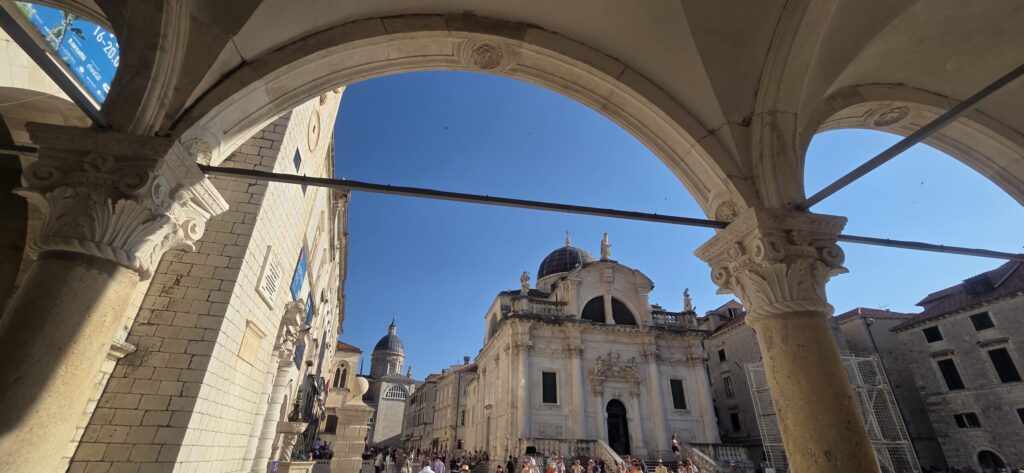
Sponza Palace served important commercial and administrative functions during the Republic of Ragusa.
Its elegant structure survived the devastating earthquake of 1667, making it especially valuable for understanding Dubrovnik’s architecture before much of the city was rebuilt in the baroque style.
Rector’s Palace
The Rector’s Palace was the political centre of the Dubrovnik Republic.
The rector governed for only one month and lived inside the palace throughout his term. He could not simply return home at the end of the working day. This temporary isolation was intended to remind him that public responsibility came before personal comfort.
Today, the palace is a museum displaying historic interiors, portraits, furniture and objects connected to Dubrovnik’s political life.
Church of St Blaise and Orlando’s Column
St Blaise is Dubrovnik’s patron saint, and his image appears throughout the city.
Nearby Orlando’s Column once served as an important civic symbol and a place for proclamations and public ceremonies.
Understanding the Republic of Ragusa
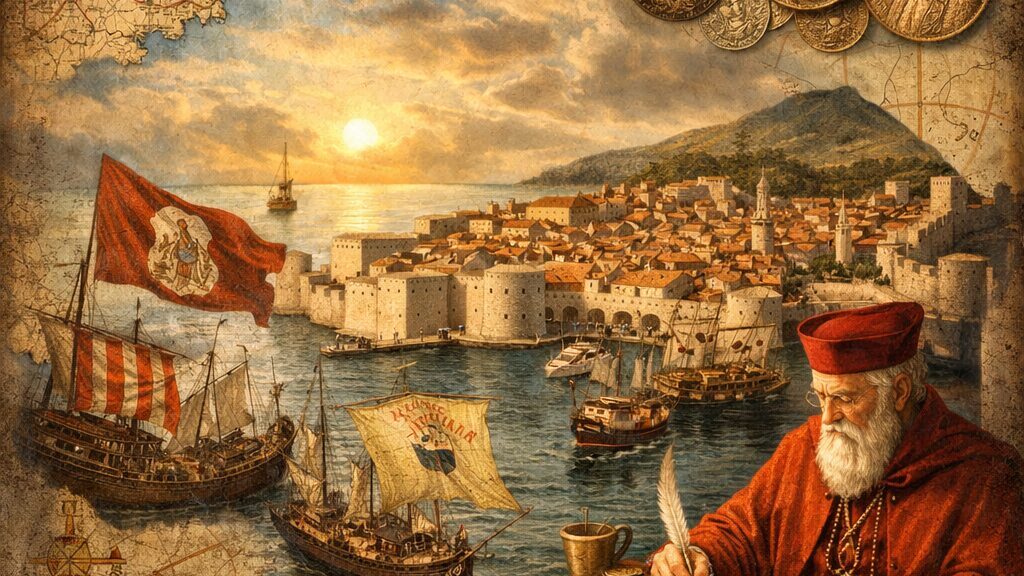
Dubrovnik was not simply a fortified medieval town.
For centuries, it was the independent Republic of Ragusa, a small but influential maritime state that relied on diplomacy, commerce and carefully negotiated neutrality.
Its leaders understood that the Republic could not compete with larger powers through military strength. Instead, they protected the city through intelligence, strategic relationships and a disciplined political system.
Knowing this changes the way you see Dubrovnik.
The palaces, customs buildings, fountains, monasteries and defensive walls were all components of an organized urban society rather than isolated monuments.
Travelers who want to understand these stories in context can join a private walking tour of Dubrovnik Old Town with a licensed local guide.
10:30–11:15 AM: Coffee or Ice-Cream Break
After the first part of the walk, stop for coffee or ice cream.
This is also a good moment to explore one or two side streets without following a predetermined list of monuments.
Some guests initially feel that stopping for coffee means losing sightseeing time. I usually remind them that sitting over coffee is not time lost in Croatia. It is part of understanding the local rhythm.
For more overlooked locations, see my guide to hidden streets and secret corners in Dubrovnik.
11:15 AM–12:30 PM: Choose One Museum
Do not attempt to visit every museum during your first morning.
Choose one according to your interests:
- Rector’s Palace for political and cultural history;
- Franciscan Monastery for architecture and the historic pharmacy;
- Maritime Museum for Dubrovnik’s seafaring history;
- War Photo Limited for modern conflict photography;
- Dubrovnik Cathedral Treasury for religious art and relics.
One meaningful visit is usually more rewarding than rushing through several museums.
12:30–3:30 PM: Lunch and Rest
Take a proper lunch break and avoid scheduling the City Walls immediately afterward.
In summer, the early afternoon is often the hottest part of the day. Use this period for lunch, shopping, a hotel break or a quiet drink in the shade.
Restaurants around the Old Port, Gundulić Square and the streets behind Stradun offer many choices, but reservations are advisable during the busiest months.
4:30–6:30 PM: Walk the Dubrovnik City Walls
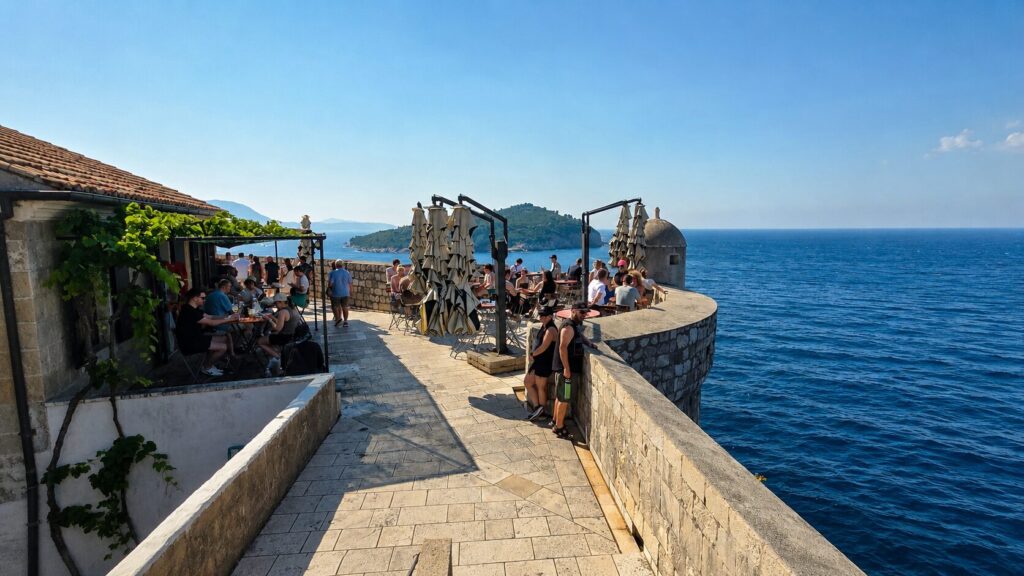
The City Walls are one of Dubrovnik’s essential experiences.
The complete circuit is approximately two kilometres long and usually takes between 90 minutes and two hours, depending on your pace and the number of photography stops.
The route includes numerous steps and almost no shade, so do not underestimate the physical effort.
From the walls, you will see:
- Dubrovnik’s red rooftops;
- Fort Lovrijenac;
- the Old Port;
- Lokrum Island;
- Mount Srđ;
- residential gardens and terraces;
- the open Adriatic Sea.
Walking later in the afternoon usually provides softer light and more comfortable temperatures than walking around midday.
One mistake I often see is visitors beginning the walls at noon because it fits neatly between other activities. By the time they reach the highest section, they are frequently too hot to enjoy the view. In Dubrovnik, choosing the right hour can be more important than adding another attraction.
Before visiting, read my City Walls guide for first-time visitors.
Families may also benefit from the separate guide to walking the Dubrovnik City Walls with children.
Guests who want to combine the walls with historical interpretation can choose the Private City Walls and Old Town Tour.
Evening: Dinner and a Slow Walk
After the walls, enjoy dinner and return to Stradun after sunset.
The Old Town feels very different in the evening. The stone streets reflect the warm light, many day visitors begin to leave, and the atmosphere becomes calmer.
Do not plan another major attraction. Your first day already includes several hours of walking and many steps.
Day 2 of Your Dubrovnik Itinerary: Culture and Mount Srđ
The second day goes deeper into Dubrovnik’s religious heritage, local life and strategic geography.
Because you already understand the Old Town’s layout, you can explore selected places more slowly and notice details that are easily missed on the first day.
8:30–10:30 AM: Churches and Monasteries
Begin in the eastern section of the Old Town, close to Ploče Gate or the Old Port.
Choose one or two of the following:
Dominican Monastery
The Dominican Monastery contains a Gothic-Renaissance cloister and a collection of religious art.
It is often quieter than Stradun and provides a peaceful break from the busiest streets.
Dubrovnik Cathedral
The present cathedral was largely built after the earthquake of 1667.
Its treasury contains religious objects and relics connected to Dubrovnik’s Catholic tradition and the cult of St Blaise.
Jesuit Stairs and St Ignatius Church
The baroque Jesuit Stairs lead to Bošković Square and the Church of St Ignatius.
The stairs are internationally known as a Game of Thrones filming location, but their real history and baroque design deserve equal attention.
Visitors interested in both filming locations and historical context can consider the Private Game of Thrones and History Walking Tour.
10:30 AM–12:00 PM: Residential Dubrovnik
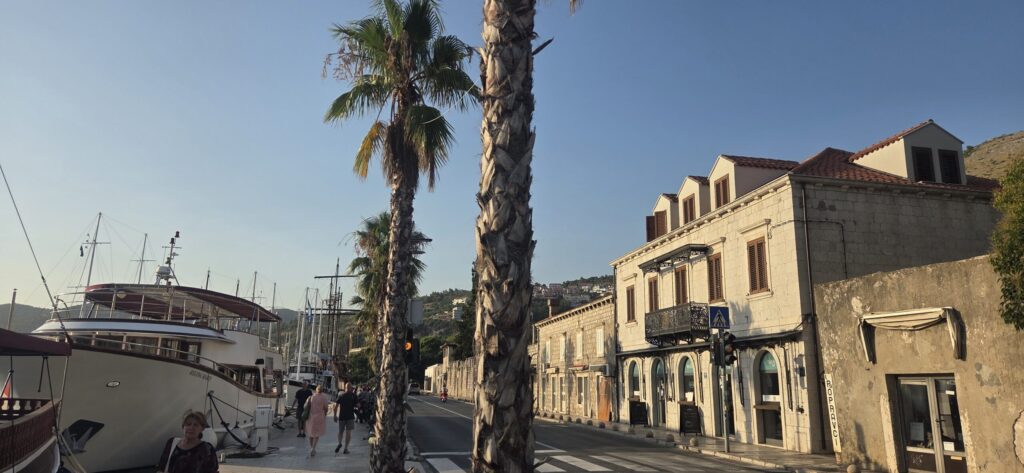
Move away from the principal monuments and explore the narrow streets beneath the southern walls or the stairways rising toward the northern residential quarter.
You may notice:
- laundry hanging above stone lanes;
- family chapels;
- carved doorways and coats of arms;
- cats sleeping in the shade;
- tiny restaurants inside former storage spaces;
- signs that people still live within the historic centre.
Dubrovnik is a UNESCO-listed destination, but it remains a living neighbourhood. Visitors should speak quietly and remember that not every picturesque staircase or doorway is a public attraction.
Travelers who prefer seeing these streets before they become busy may enjoy a private early-morning walking tour and local coffee experience.
12:00–2:30 PM: Lunch and a Break
Choose a lighter lunch if you plan to visit Mount Srđ in the afternoon.
You can eat inside the Old Town, near Ploče Gate or return to your hotel for a short rest.
3:30–6:00 PM: Visit Mount Srđ
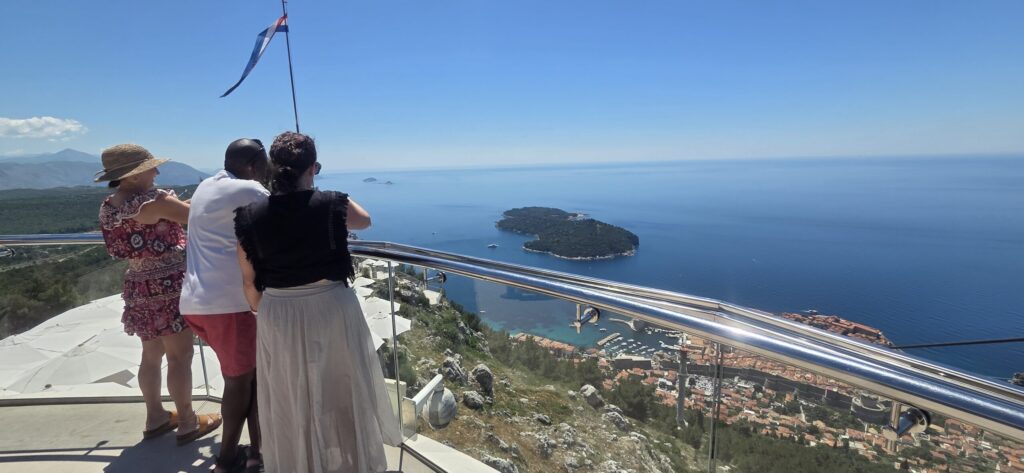
Mount Srđ rises directly above Dubrovnik and provides the clearest view of the city’s geography.
From the summit, you can see how the walled city occupies a narrow space between the mountain and the Adriatic Sea, with Lokrum in front and the Elaphiti Islands extending along the coast.
Dubrovnik Cable Car
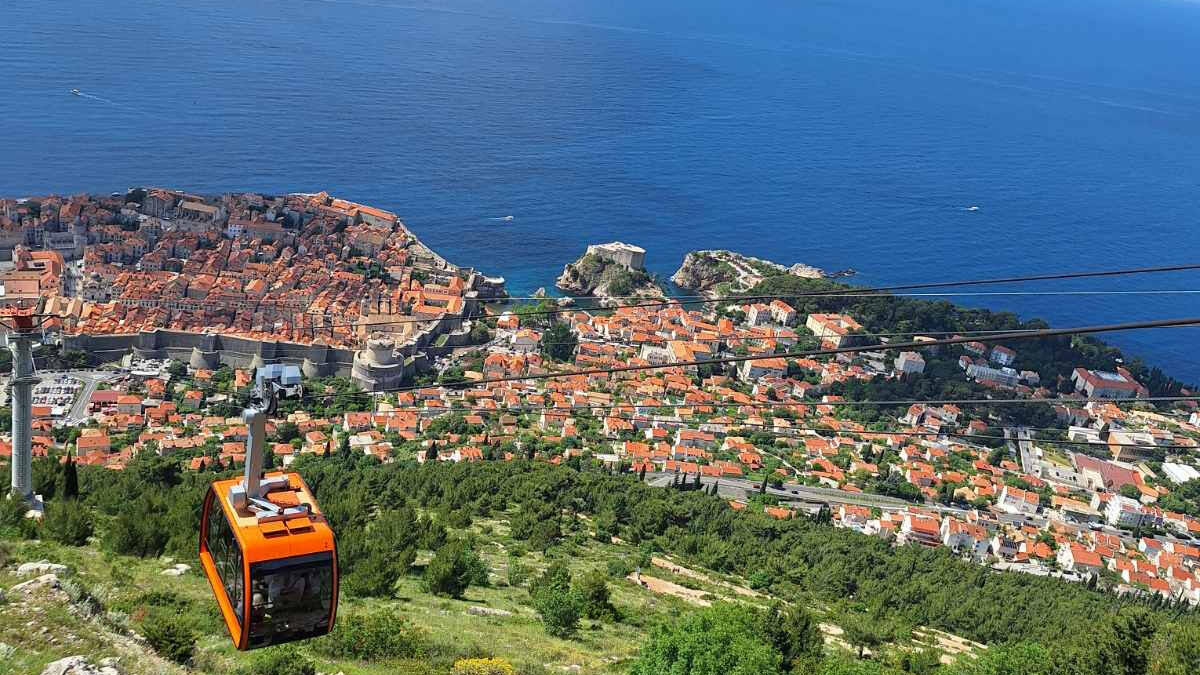
The cable car provides a direct and scenic journey from the area above the Old Town.
It is convenient, although queues can form when several cruise ships are in port or shortly before sunset.
Read my guide to the Dubrovnik Cable Car, waiting times and views before deciding whether it suits your schedule.
Private Panoramic Drive
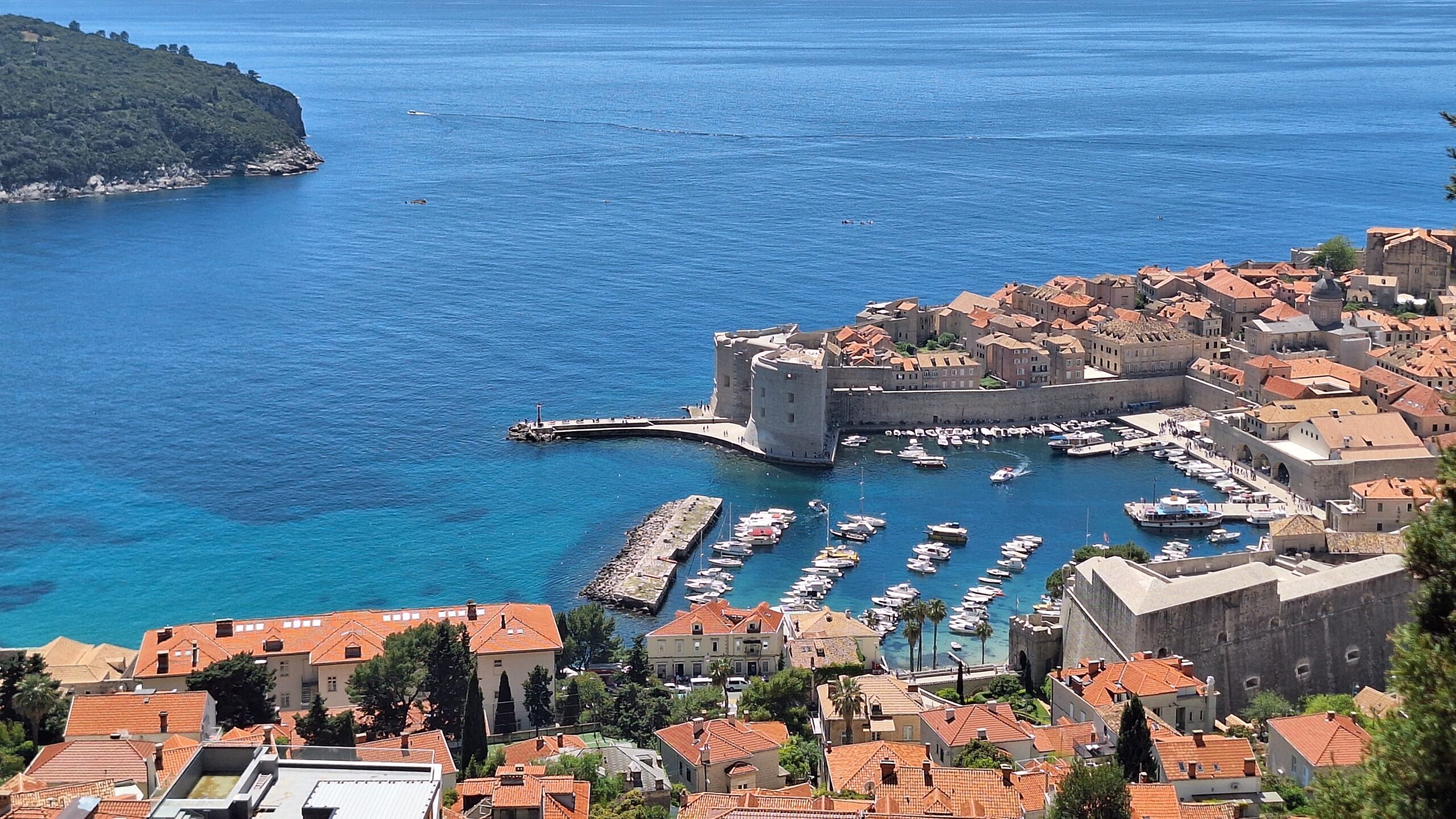
A panoramic drive can include viewpoints above Dubrovnik, the Franjo Tuđman Bridge and several locations inaccessible by cable car.
This option is practical for families, visitors with reduced mobility and travelers continuing to another destination afterward.
During one recent panoramic experience, we stopped when we noticed local boys diving from a bridge into the sea. It was not a planned attraction, but my guests were fascinated.
For a few minutes, they were not looking at Dubrovnik as tourists. They were watching an ordinary summer scene filled with laughter, confidence and spontaneity. Moments like this are one reason I prefer leaving some flexibility in a private itinerary.
Cruise guests can consider the Private Dubrovnik Panoramic and Old Town Excursion.
For alternative viewpoints, see my guide to the best panoramic views in Dubrovnik.
Sunset or Late Afternoon?
Mount Srđ is famous for sunset, but sunset is not always the most comfortable time to visit.
Queues, traffic and crowds can be greatest just before the sun goes down. A late-afternoon visit often provides beautiful light with easier logistics.
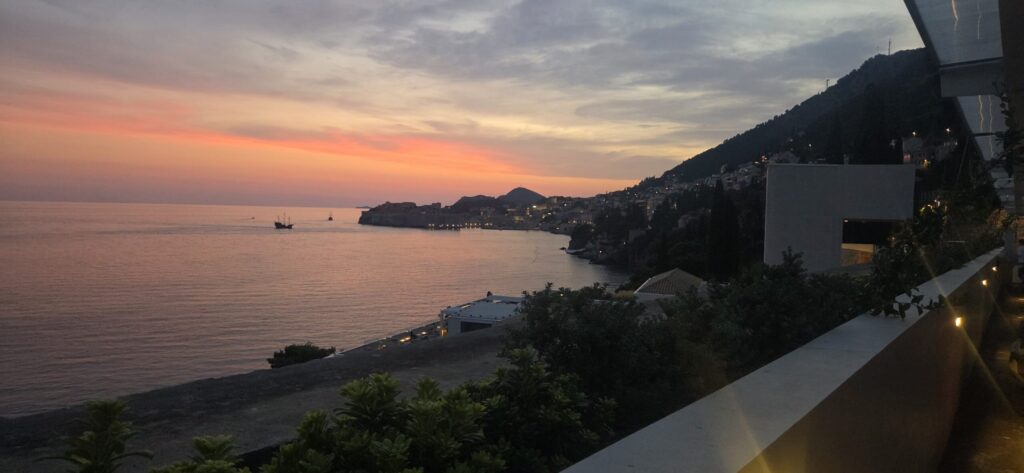
For other options, compare the locations in my guide to the best sunset spots in Dubrovnik.
Day 3 of the 4-Day Dubrovnik Itinerary: Lokrum or the Elaphiti Islands
After two days of stone streets, monuments and panoramic views, spend your third day on the Adriatic Sea.
Do not attempt to combine Lokrum and a full Elaphiti Islands excursion. They offer different experiences, and each deserves sufficient time.
Option 1: Lokrum Island
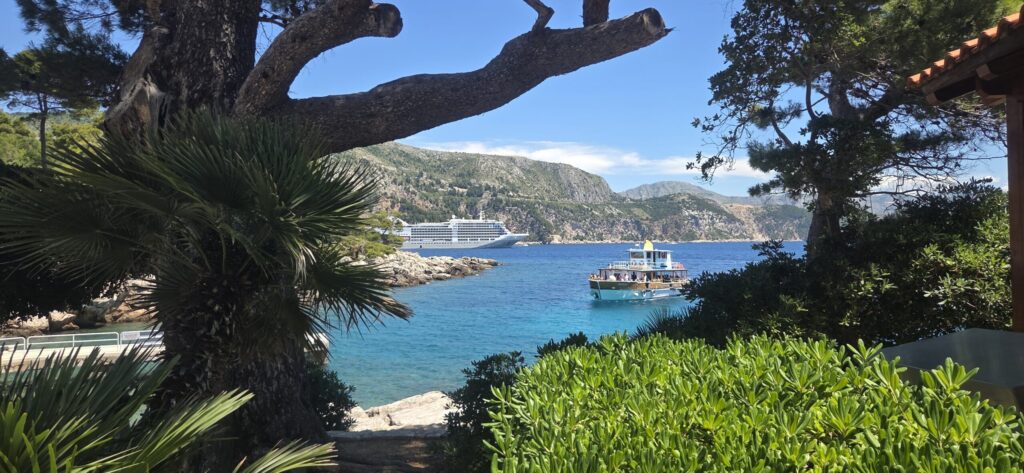
Lokrum is the easiest island escape from Dubrovnik.
Boats normally leave from the Old Port, and the journey takes approximately ten to fifteen minutes. Schedules are seasonal and weather-dependent, so check the current timetable shortly before visiting.
Lokrum is best for travelers who want:
- a flexible half-day excursion;
- swimming near Dubrovnik;
- shaded walking paths;
- monastery ruins and gardens;
- an easy return to the Old Town.
My local guide to Lokrum Island explains its swimming areas, monastery, botanical garden and Fort Royal.
What to See on Lokrum
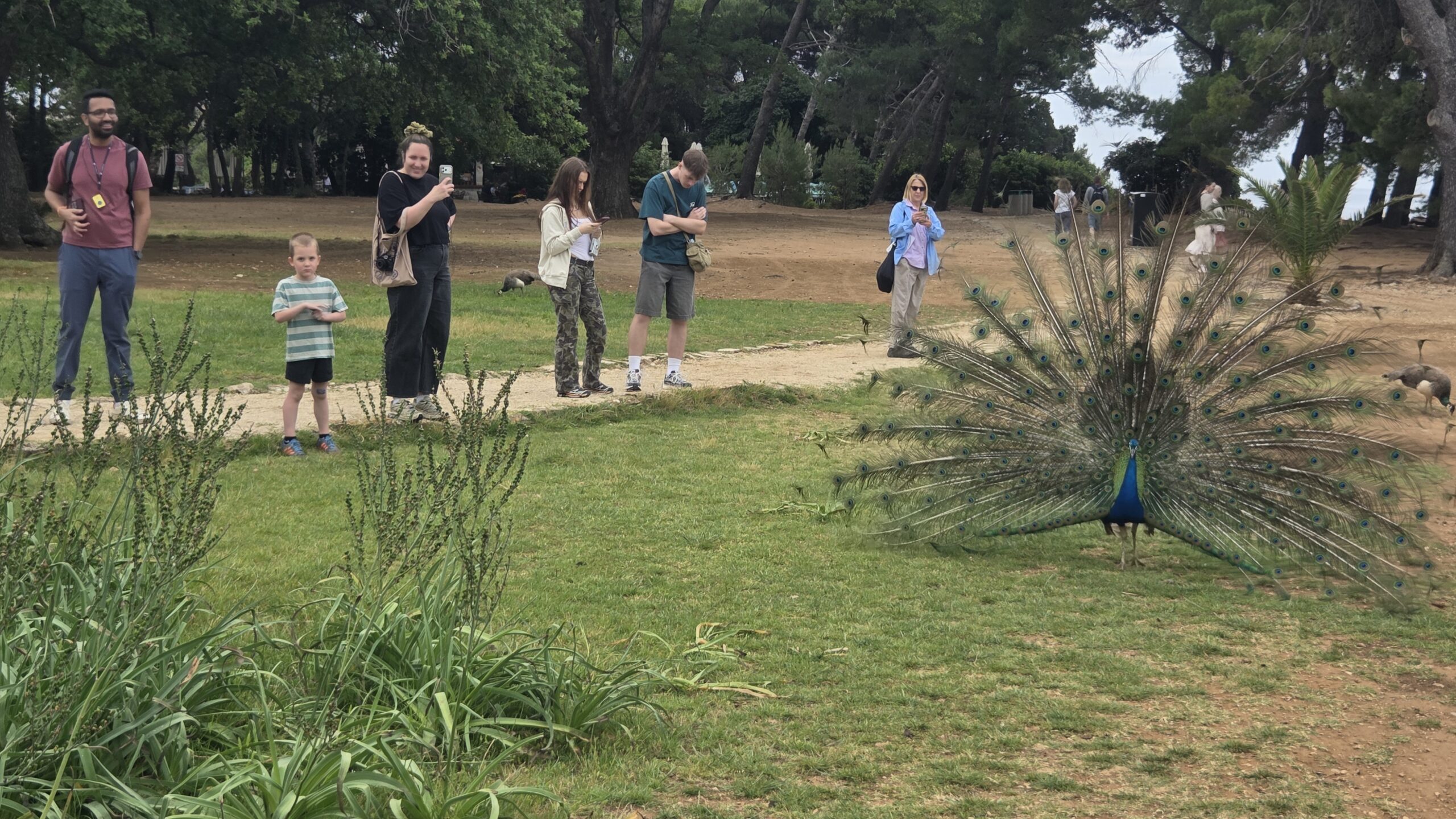
The principal places include:
- the Benedictine Monastery;
- the botanical garden;
- Fort Royal;
- rocky swimming locations;
- the small saltwater lake commonly called the Dead Sea.
Bring water shoes if you are not accustomed to entering the sea from rocks or ladders.
Do not feed or disturb the peacocks and rabbits, and check the time of the final return boat carefully.
Suggested Lokrum Schedule
9:00 AM: Boat from the Old Port
9:30–11:00 AM: Monastery, gardens and island walk
11:00 AM–1:00 PM: Swimming
1:00–2:00 PM: Light lunch
2:00–3:00 PM: Return to Dubrovnik
This leaves the late afternoon free for rest, shopping or another swim.
Option 2: Elaphiti Islands
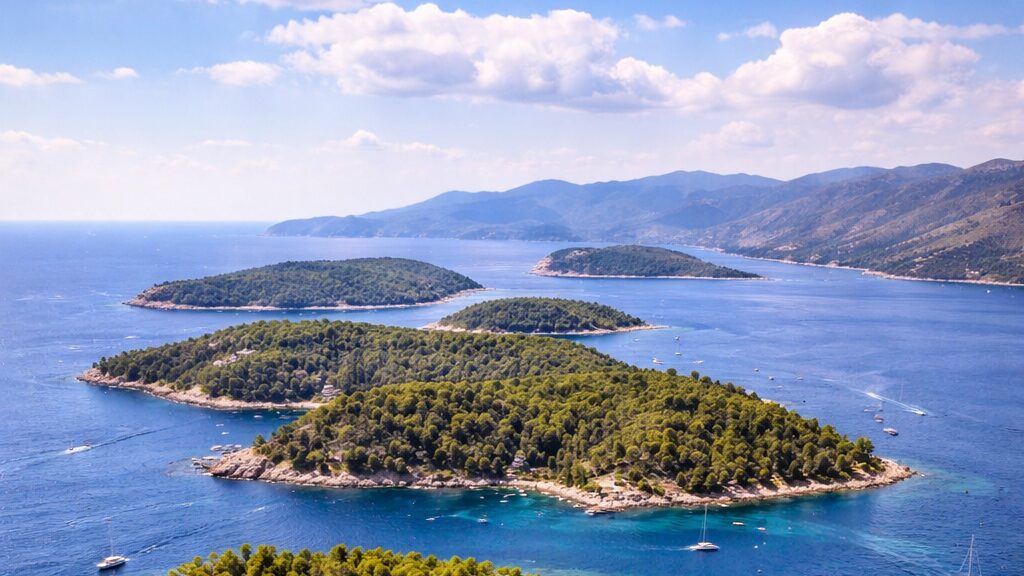
Choose the Elaphiti Islands if you want to spend a full day on the water.
Koločep, Lopud and Šipan each have a different character, with small villages, swimming coves, stone houses and Mediterranean vegetation.
A private boat offers flexibility, but group excursions are also available.
A typical day may include:
- cruising along the Dubrovnik coast;
- swimming in quiet bays;
- visiting one or two island villages;
- lunch beside the sea;
- snorkelling and relaxed time on board.
Do not judge the experience by the number of islands visited. Spending time in two carefully selected places is usually more rewarding than rushing through all three.
Lokrum or Elaphiti Islands?
| Choose Lokrum if you want… | Choose the Elaphiti Islands if you want… |
|---|---|
| A half-day escape | A full day at sea |
| Minimal travel time | A boating experience |
| Independent exploration | A flexible itinerary |
| Walking and swimming | Several swimming stops |
| To return early | Lunch on an island |
Day 4 of Your 4-Day Dubrovnik Itinerary: Choose a Day Trip
The final day takes you beyond Dubrovnik.
Choose your excursion according to your interests, not simply because a destination appears on every standard list of day trips.
Consider border crossings, driving time, summer traffic and your departure schedule.
Approximate Travel Times From Dubrovnik
| Destination | Approximate travel time |
|---|---|
| Lokrum | 10–15 minutes by boat |
| Cavtat | 25–35 minutes by car |
| Ston | Approximately 1 hour by car |
| Mostar | Approximately 2.5 hours, plus border delays |
| Kotor | Approximately 2–2.5 hours, plus border delays |
Travel times can increase considerably during summer, particularly on coastal roads and at international border crossings.
Option 1: Ston and the Pelješac Peninsula
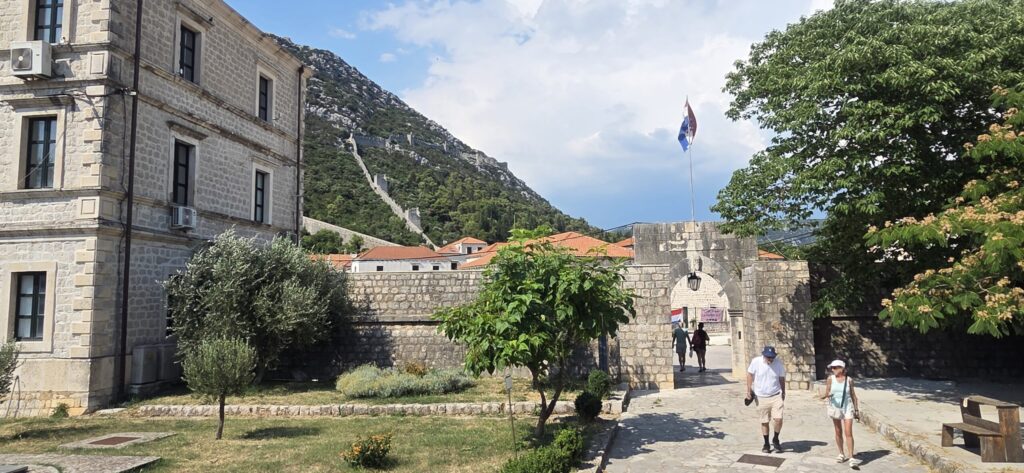
Ston is one of the best options for travelers interested in local food, wine, history and landscapes.
The town is known for:
- its defensive walls;
- historic saltworks;
- oyster and mussel farming;
- access to the Pelješac Peninsula.
A visit can be combined with an oyster tasting, winery or seafood lunch.
Ston is also convenient for travelers who want to remain in Croatia and avoid international border crossings.
Read my guide to visiting Ston from Dubrovnik for practical advice.
Option 2: Cavtat and Konavle
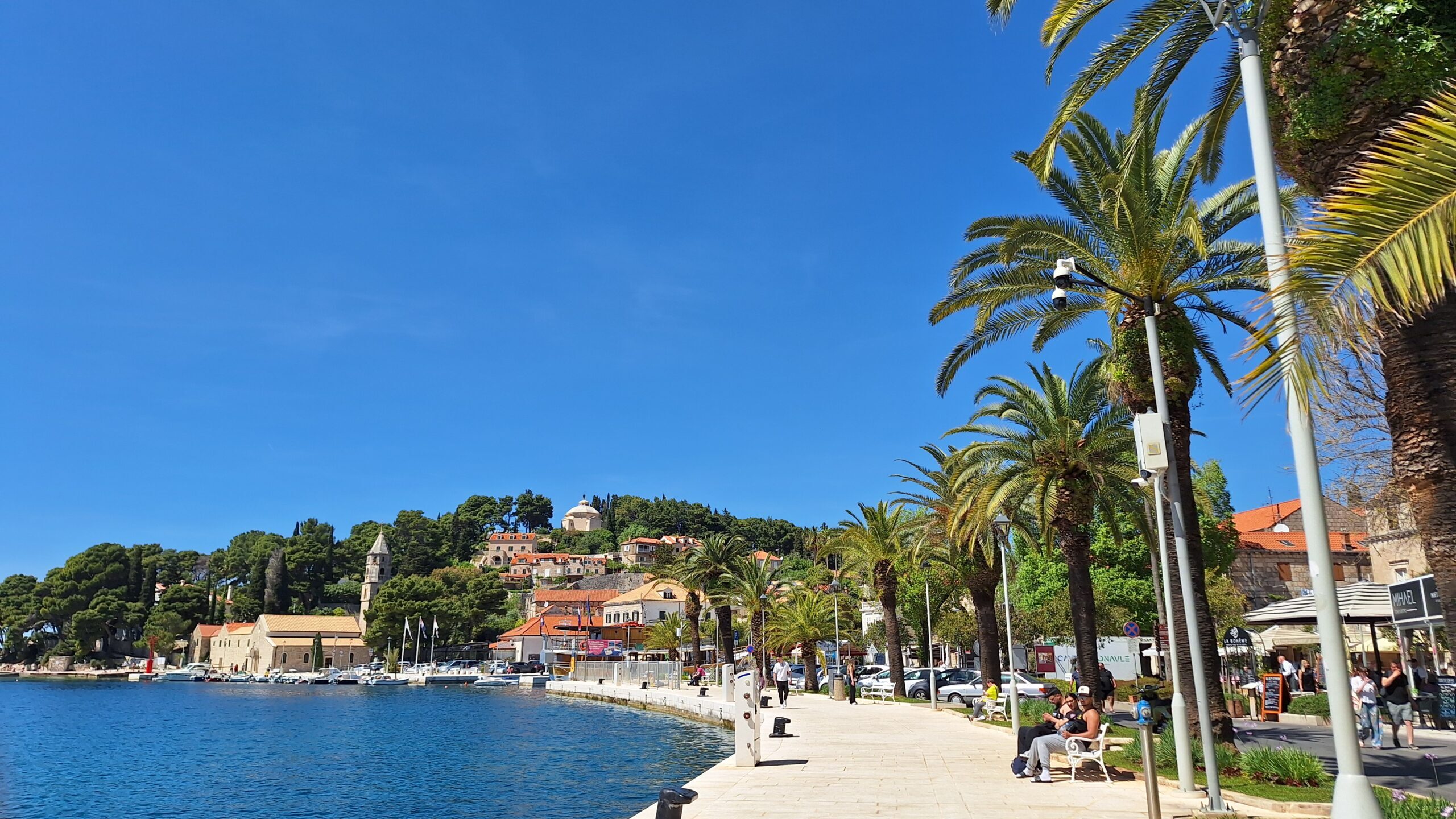
Cavtat is ideal for a slower final day.
It has a waterfront promenade, historic centre, swimming locations and relaxed restaurants.
It can be combined with:
- a coastal drive;
- panoramic viewpoints;
- a traditional Konavle lunch;
- swimming;
- an easy walk along the harbour.
On one recent excursion, my guests decided to remain in Cavtat for sunset instead of returning to Dubrovnik earlier.
The light across the harbour, boats and waterfront promenade was exceptional. I took several photographs for them during the walk, and I am including one of those images in this article because they show why Cavtat can be such a beautiful final-day experience.
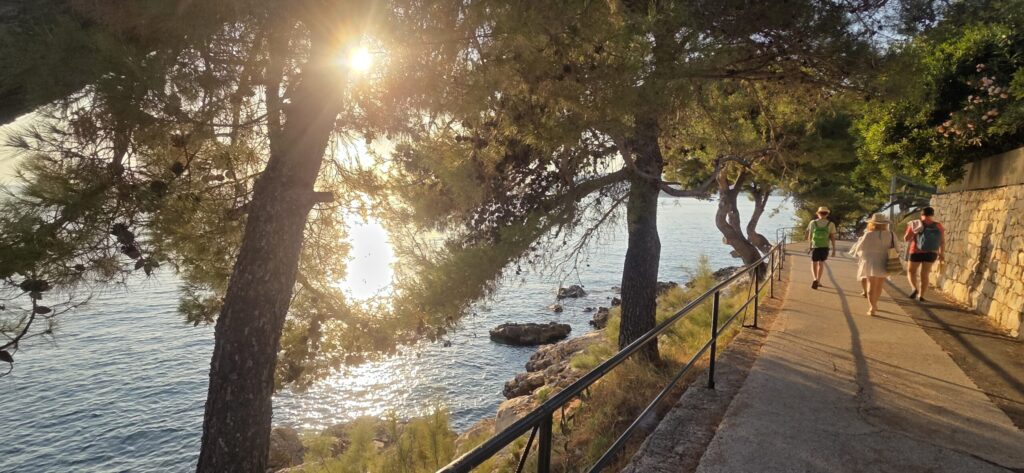
It is not only a place for a quick visit. At the right time of day, it can be one of the most peaceful ways to end a stay in the Dubrovnik region.
Cruise guests or travelers who need transportation can consider the Private Cavtat and Dubrovnik Old Town Excursion.
Option 3: Mostar
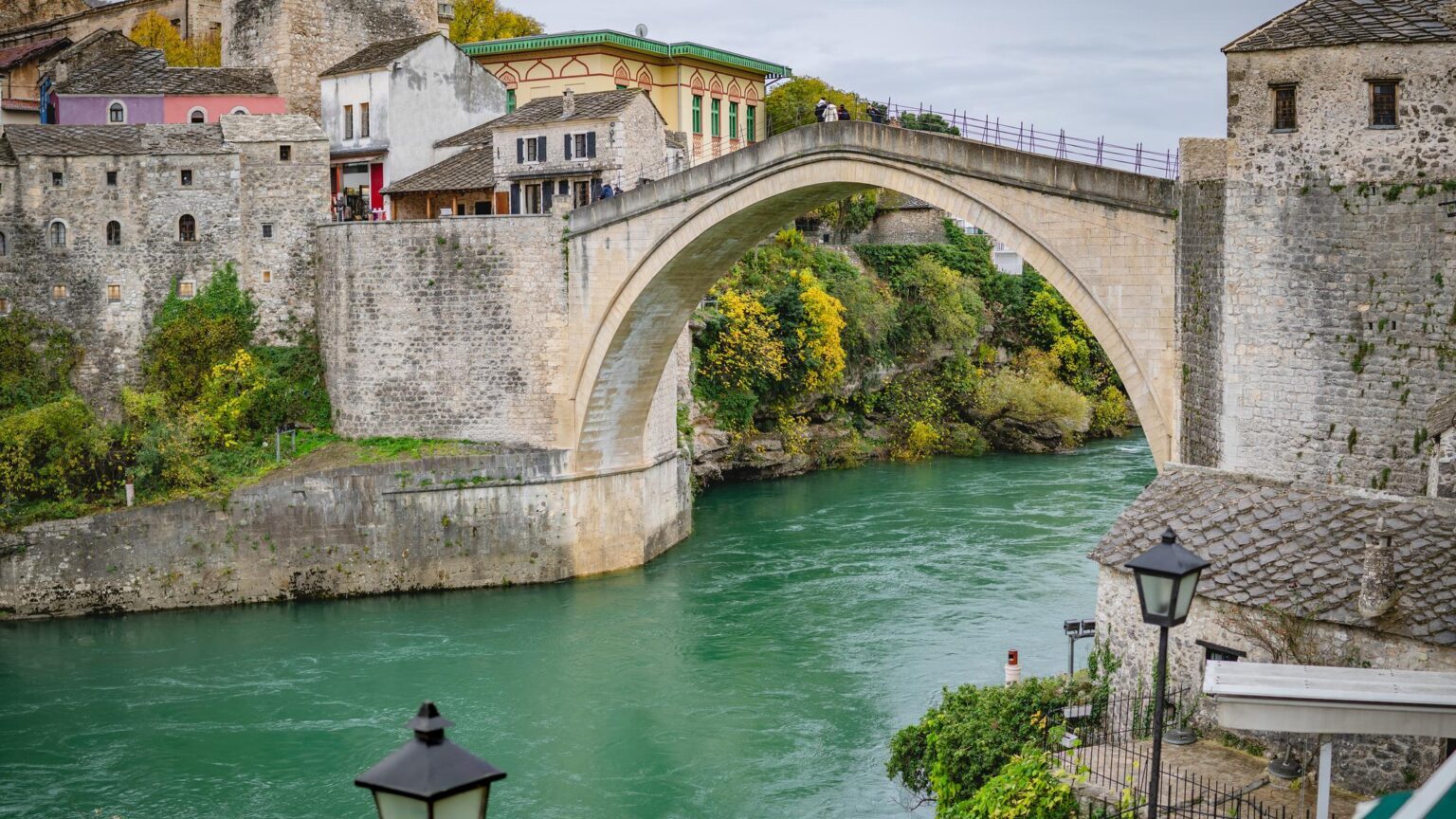
Mostar provides a strong cultural contrast to Dubrovnik.
Its historic centre reflects Ottoman architecture and the complex history of Bosnia and Herzegovina.
A typical visit includes:
- the Old Bridge;
- the historic bazaar;
- traditional Bosnian food;
- mosque viewpoints;
- Počitelj or another stop along the route.
It is a long excursion, and border delays are possible. Do not schedule it on the day of a flight or cruise departure.
Carry your passport and verify current entry requirements before traveling.
Option 4: The Bay of Kotor
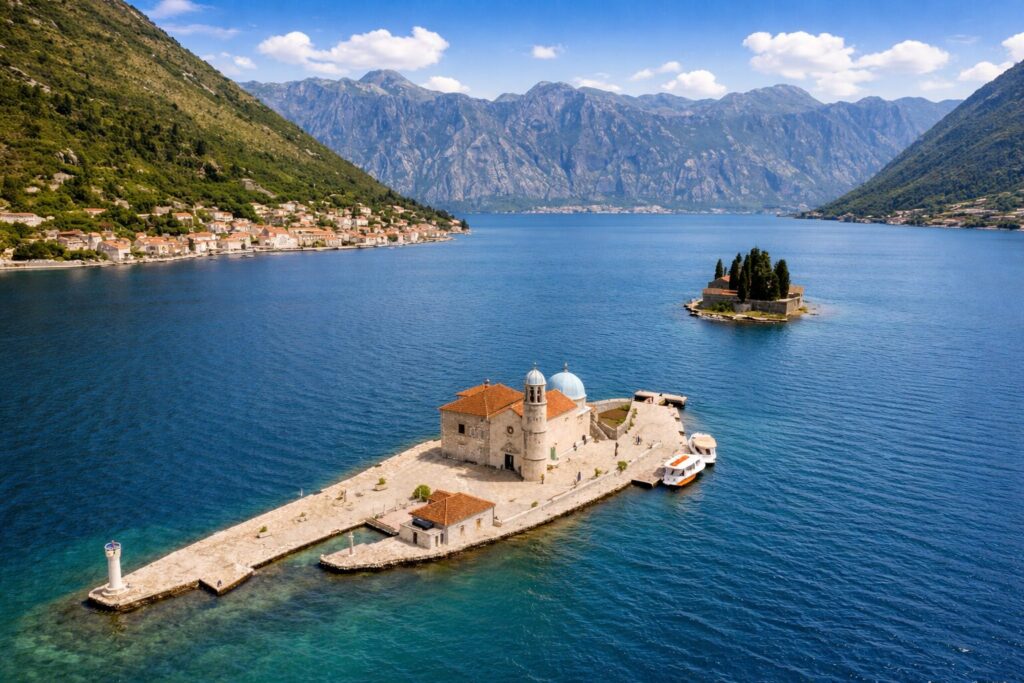
The Bay of Kotor combines mountain scenery with historic coastal towns such as Perast and Kotor.
Most visitors explore it by road, but the bay can be even more impressive from the water.
One American family I guided chose a private boat for part of their day. We cruised through the bay with several stops, giving them time to explore smaller coastal places and swim in quiet surroundings.
They especially enjoyed the dramatic, almost wild nature of the bay. The steep mountains and enclosed water feel very different from Dubrovnik.
We also visited hidden naval tunnels built during the former Yugoslavia in the Cold War period. These structures are easy to miss from the road, but from the water they reveal another layer of the bay’s military and strategic history.
For families, this kind of private boat experience can be more engaging than spending the entire day moving between towns by vehicle.
As with Mostar, border waiting times may be unpredictable, particularly in summer.
Which Day Trip Should You Choose?
| Destination | Best for | Main consideration |
|---|---|---|
| Ston and Pelješac | Food, wine and Croatian history | Best with a driver |
| Cavtat and Konavle | A relaxed, shorter excursion | Ideal for a gentle final day |
| Mostar | Ottoman heritage and cultural contrast | Long drive and border crossing |
| Bay of Kotor | Coastal scenery, towns and boating | Traffic and border delays |
Practical Tips for Four Days in Dubrovnik
Do You Need a Car?
You do not need a car for the Old Town.
The historic centre is completely pedestrian, and vehicles cannot enter through the city gates.
A car is useful for airport transfers, Mount Srđ viewpoints, beaches outside the centre and regional excursions.
Parking near the Old Town is limited and often expensive.
Where Should You Stay?
Old Town
Choose the Old Town for atmosphere and immediate access to monuments.
Be prepared for stairs, pedestrian access and occasional evening noise.
Ploče
Ploče offers convenient walking access to the Old Town and excellent sea views.
Check whether your accommodation involves steps.
Lapad
Lapad is suitable for beaches, promenades and quieter evenings.
Public transport and taxis connect it with the Old Town.
Gruž
Gruž is practical for the ferry port, bus station and local market.
It may also offer better accommodation value than areas immediately beside the Old Town.
What Should You Book in Advance?
During the main season, consider reserving:
- accommodation;
- airport transfers;
- private tours;
- popular restaurants;
- boat excursions;
- waterfront tables;
- activities with limited departure times.
Operating schedules and admission arrangements can change, so verify official information shortly before your visit.
Should You Buy the Dubrovnik Pass?
The Dubrovnik Pass can be useful if you plan to visit the City Walls and several included museums or use public transport.
Before purchasing, compare the current pass price with the attractions you realistically intend to visit.
Read the complete guide to the Dubrovnik Pass for a detailed explanation.
When Should You Explore the Old Town?
In summer, early morning and late afternoon are usually the most comfortable periods.
The Old Town often feels busiest from late morning through the middle of the afternoon, especially when several cruise ships are visiting.
My guide to the best time of day to visit Dubrovnik Old Town compares mornings, afternoons and evenings.
Advice for American Visitors
Dubrovnik is generally easy for American travelers to navigate, but several local differences are useful to know.
Walking
Distances may appear short, but heat, stone steps and elevation can make routes more demanding than expected.
Dining
Lunch commonly begins around midday, while dinner may start later than in some parts of the United States.
Reservations are recommended for larger groups and popular terraces.
Tipping
Tipping is appreciated for good service but is generally more moderate than typical U.S. percentages.
Currency
Croatia uses the euro.
Cards are widely accepted, although a small amount of cash is useful for minor purchases.
Passports
Day trips to Montenegro and Bosnia and Herzegovina involve international border crossings.
Carry your passport and confirm current entry requirements.
Sun
The Mediterranean sun can be stronger than visitors expect, even in spring and autumn.
Bring water, sunscreen, sunglasses and a hat.
American visitors may also find my article about what surprises U.S. guests most in Dubrovnik useful.
How to Adapt This Dubrovnik Itinerary
If You Have One Day
Prioritize:
- Dubrovnik Old Town;
- lunch or a coffee break;
- the City Walls or Mount Srđ;
- a short panoramic drive if time permits.
See my one-day Dubrovnik itinerary for a more detailed schedule.
Cruise passengers can explore the city through one of our private Dubrovnik shore excursions, timed around the ship’s schedule.
If You Have Two Days
Follow Days 1 and 2.
This provides the strongest introduction to Dubrovnik’s history, architecture and geography.
If You Have Three Days
Add Lokrum or the Elaphiti Islands.
Choose Lokrum for a flexible half day and the Elaphiti Islands for a full day at sea.
If You Have Five Days
Add one day without a major itinerary.
Spend it at a beach, in Cavtat, on a private boat or simply enjoying Dubrovnik without moving constantly between attractions.
Frequently Asked Questions
Are four days enough for Dubrovnik?
Yes. Four days allows enough time for the Old Town, City Walls, Mount Srđ, an island experience and one regional excursion without making every day feel rushed.
Can I do Dubrovnik without a car?
Yes. You do not need a car to explore the Old Town, City Walls or central neighbourhoods.
Public buses, taxis and transfers connect the airport, Gruž, Lapad and Ploče. A vehicle becomes useful for Mount Srđ viewpoints, Cavtat, Ston and other regional excursions.
Is Dubrovnik expensive?
Dubrovnik is one of Croatia’s more expensive destinations, particularly for accommodation, waterfront restaurants and major attractions.
Costs can be reduced by staying outside the Old Town, choosing local bakeries or casual restaurants, using public transport and deciding carefully which paid attractions matter most to you.
Is Dubrovnik safe?
Dubrovnik is generally considered a safe destination for visitors.
Normal travel precautions still apply. Keep an eye on personal belongings in crowded areas, use licensed transport providers and take particular care on polished stone surfaces, steep steps and exposed walking routes during hot weather.
Where should I stay for four days?
Ploče is convenient for first-time visitors who want sea views and easy access to the Old Town.
Lapad is better for beaches and quieter evenings, while the Old Town offers the strongest historic atmosphere. Gruž is practical for ferries, buses and potentially better-value accommodation.
Is Dubrovnik worth visiting in October?
Yes. October can be an excellent time to visit, with milder temperatures and fewer intense summer crowds.
The weather can be changeable, and some seasonal boat services or restaurants may reduce their schedules later in the month. Check operating times before planning island excursions.
Can I swim in Dubrovnik in April?
Some visitors swim in April, but the sea is usually cool.
Warm, sunny days can make swimming possible for those comfortable with lower water temperatures. Most travelers find May, June, September and early October more suitable for relaxed swimming.
Can I visit Dubrovnik without climbing stairs?
You can experience important parts of Dubrovnik without climbing many stairs by remaining along Stradun, Luža Square, the Old Port and the flatter central streets.
The complete City Walls route, Jesuit Stairs and many residential lanes are not step-free. A private panoramic drive can provide excellent views without demanding walking.
Is the Dubrovnik Pass worth it for four days?
It can be worthwhile if you plan to walk the City Walls, visit several included museums and use public transport.
The pass is less useful if you prefer beaches, islands and day trips over museums. Compare the current price with the attractions you realistically intend to visit.
Should I choose Lokrum or the Elaphiti Islands?
Choose Lokrum for a simple half-day escape with walking, swimming and minimal travel time.
Choose the Elaphiti Islands for a full day at sea, several swimming locations and a more complete boating experience.
Can I visit Mostar or Montenegro as a day trip?
Yes, both are popular full-day excursions from Dubrovnik.
They involve international border crossings, so carry your passport and allow extra time for possible delays. Avoid scheduling either excursion on the day of a cruise departure or flight.
Is Dubrovnik suitable for families?
Yes, but the itinerary should reflect the children’s ages and tolerance for heat and walking.
Shorter historical sections, ice-cream breaks, Game of Thrones locations, boats and swimming can create a better balance.
Families can also explore the city through a private Dubrovnik Family Walking Tour adapted to the children’s interests.
Final Thoughts on This 4-Day Dubrovnik Itinerary
The best Dubrovnik itinerary is not the one containing the greatest number of attractions.
It is the one that respects the city’s rhythm.
Begin early while the streets are quieter. Leave time for lunch and rest during the hottest hours. Experience Dubrovnik from inside the walls, from above and from the sea. Choose one regional excursion rather than trying to include every possible destination.
Most importantly, remain open to what happens between the planned stops.
Sometimes the most memorable part of the day is not a monument. It may be local boys diving into the sea, sunset across Cavtat harbour or a quiet residential lane that looks nothing like the Dubrovnik you expected.
Dubrovnik’s beauty is immediately visible. Its history and character reveal themselves more slowly.
If you would like to experience Dubrovnik beyond the guidebooks, our private Dubrovnik walking tours can be tailored around this itinerary—or adapted to your interests, pace and travel dates.
Every experience is private and led by a licensed local guide, giving you the freedom to explore the places that matter most to you without following a fixed group schedule.