The biggest mistake I see American visitors make in Dubrovnik is trying to fit too much into too little time.
Dubrovnik looks compact on a map—and it is. But a day here can include polished stone streets, stairs, strong Mediterranean sun, busy entrances to the Old Town and attractions that are much more enjoyable when you are not watching the clock.
I’m Ajla, a licensed local guide from Dubrovnik, and over the years I have guided many American guests through my city. One thing I notice is that visitors often arrive with a very ambitious list: Old Town, City Walls, Mount Srđ, Lokrum, beaches, islands and perhaps Montenegro or Mostar as well.
Most of it is possible.
But Dubrovnik is much more enjoyable when you do things in the right order.
This Dubrovnik itinerary for Americans is therefore built around pace rather than the maximum possible number of attractions.
The Old Town is compact, but there are stairs, summer heat and busy periods when several cruise ships are in port. My advice is to leave space between the major sights instead of treating Dubrovnik like a checklist.
| Day | Focus | My Suggested Rhythm |
|---|---|---|
| Day 1 | Understand Dubrovnik | Old Town → lunch/break → City Walls |
| Day 2 | Look deeper | Monasteries & quieter streets → Mount Srđ |
| Day 3 | Experience the Adriatic | Lokrum or the Elaphiti Islands |
| Day 4 | Choose according to your interests | Montenegro, Mostar or stay local |
The idea is simple: one major experience and one slower experience each day.
Why This Dubrovnik Itinerary for Americans Is Different
This is not meant to be another list of everything you can possibly do in Dubrovnik.
What matters more is understanding how the city actually feels once you are here.
The historic center is compact and largely pedestrian, so it is easy to navigate once you understand the layout. What maps do not show particularly well are the stairs, summer heat, polished limestone and the way busy areas can change dramatically depending on the time of day.
For many American guests I guide, the biggest adjustment is not transportation but pace. Dubrovnik does not require complicated metro planning. Inside the Old Town, you walk almost everywhere.
The better strategy is to combine one important sightseeing experience with one slower experience each day.
That is why I usually tell guests to leave room for coffee, lunch, swimming or simply returning to their hotel for a break.
If crowds are one of your concerns, I have written a separate local guide explaining how to avoid crowds in Dubrovnik. There is no need to organize your entire stay around crowds, but timing your Old Town visits well can make an enormous difference.
For me, the goal is not to show you more Dubrovnik.
It is to help you enjoy the Dubrovnik you do see.
Day 1: Start by Understanding Dubrovnik Old Town

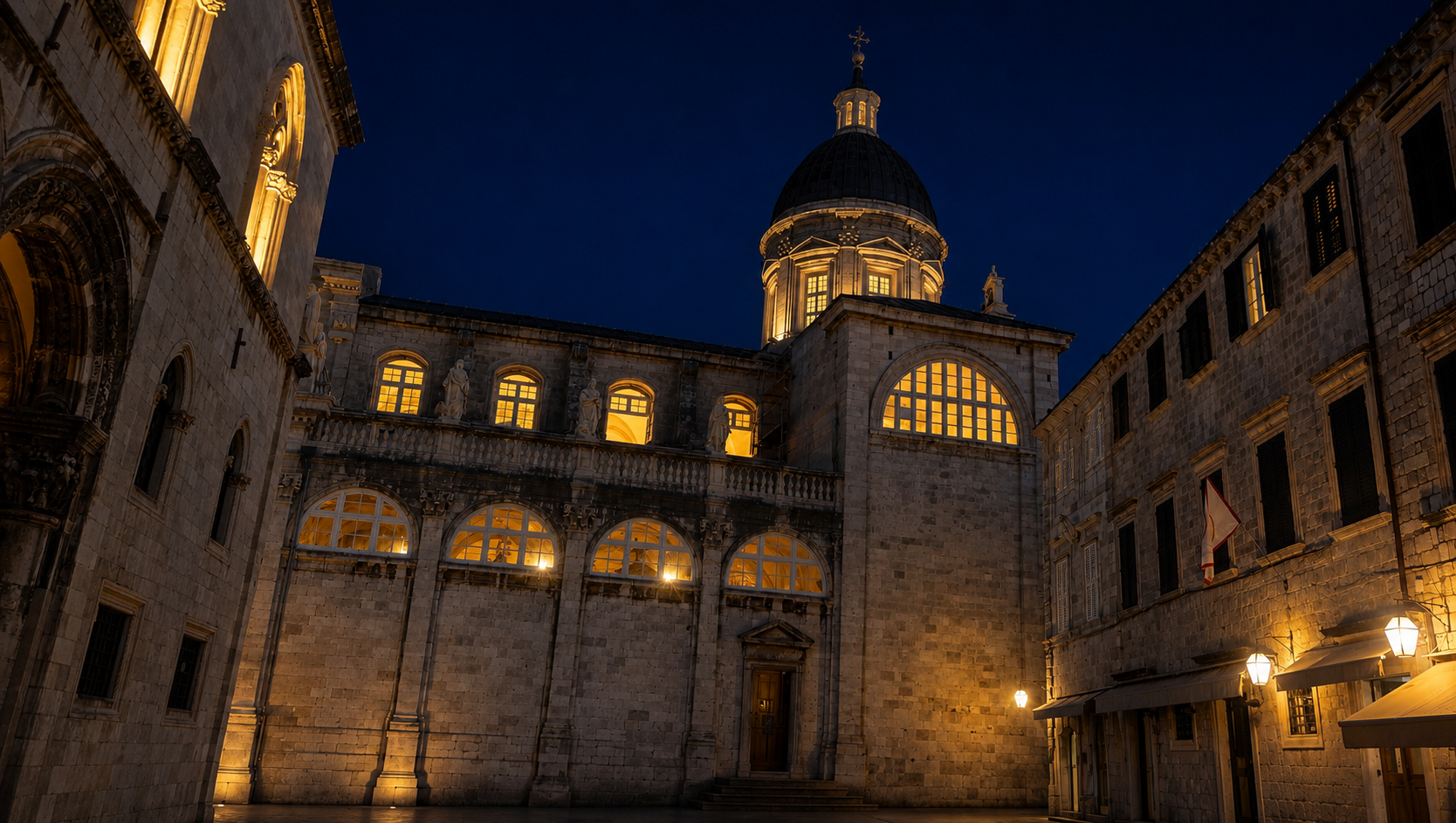
Your first proper exploration should begin inside the Old Town.
Dubrovnik was once the independent Republic of Ragusa, a small but remarkably successful maritime republic whose survival depended on diplomacy, trade and careful management of political power.
Knowing this changes the way you see the Old Town.
Once you understand that story, the palaces, walls and streets begin to make much more sense.
Morning: Stradun and the Historic Center
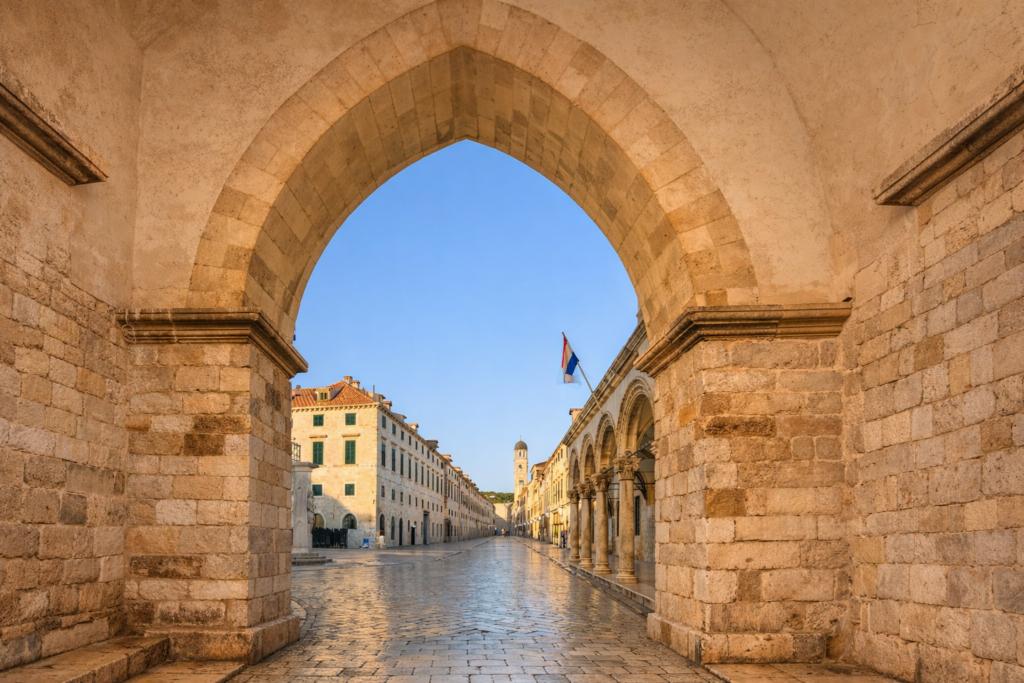
Enter through Pile Gate and begin around Stradun, Dubrovnik’s main limestone street.
If you would like to understand the stories and landmarks along the city’s most famous street in more detail, see my local guide to Stradun.
Then move away from it.
One thing I always encourage guests to do is look into the smaller streets instead of walking only from famous monument to famous monument. Dubrovnik changes surprisingly quickly once you leave the main street.
For a first walk, I would include:
- Onofrio’s Fountain
- Franciscan Monastery
- Stradun
- Sponza Palace
- Church of St. Blaise
- Rector’s Palace
- Dubrovnik Cathedral
- Old Port
About two hours is a comfortable introduction.
You can certainly spend longer, but I would resist the temptation to enter every museum and church on your first morning.
A Detail I Often Explain to American Guests
The Rector of the Republic of Ragusa served for only one month and lived in the Rector’s Palace while in office.
That unusually short mandate was one of the safeguards built into Ragusa’s political system to limit the concentration of power.
The rector could leave the palace only for official duties during his mandate.
I find that American guests often become much more interested in Dubrovnik’s history once we start discussing how this tiny republic actually governed itself rather than simply identifying beautiful buildings.
The Rector’s Palace suddenly becomes more than a photograph.
If this type of history interests you, Day 1 is also where having a local guide can add the most context. My private Old Town walking experience focuses on history, local stories and the details that are easy to walk past when exploring alone.
If Game of Thrones is also part of your interest in Dubrovnik, my private Game of Thrones & History walking tour combines filming locations with the real history of the city.
Take a Real Break
After exploring the Old Town, stop.
This is something I frequently recommend to my guests and something many itineraries underestimate.
Have lunch. Sit over coffee. Return to your hotel if it is nearby.
In summer, spending the hottest part of the afternoon away from exposed stone is often a much better decision than squeezing another attraction into the schedule.
American visitors sometimes arrive expecting to sightsee continuously from morning until late afternoon. Dubrovnik can technically be explored that way, but I don’t think it is the best way to experience it.
The strong summer sun and warm stone can make a few hours of walking feel much longer than expected.
Save some energy for the walls.
Afternoon or Evening: Walk the Dubrovnik City Walls

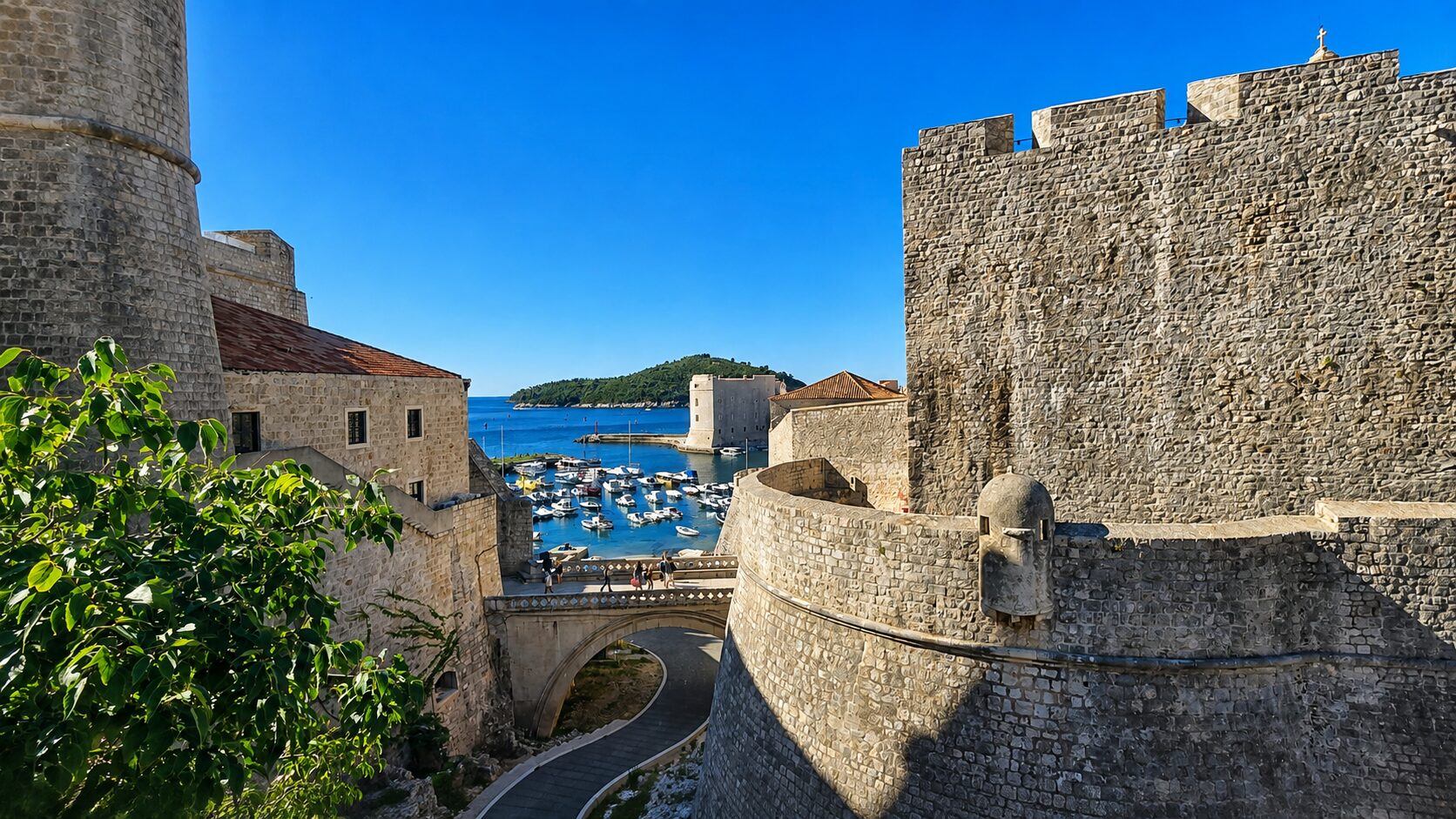
The Dubrovnik City Walls deserve their own part of the day.
The complete circuit is approximately 1.94 km (1.2 miles), and most visitors need around 1.5–2 hours, depending on stops and photography.
The views change constantly: rooftops on one side, the Adriatic on the other, Fort Lovrijenac, Lokrum and the Old Port appearing from different angles.
During warmer months, I prefer the walls either earlier or later in the day rather than under the strongest midday sun.
Bring:
- water;
- comfortable shoes;
- sunscreen;
- a hat in warmer weather.
There are exposed sections with very little shade.
American visitors sometimes underestimate the combination of Mediterranean sun and reflected heat from Dubrovnik’s stone surfaces.
If you are deciding when to go, what to expect or whether the full circuit is right for you, my Dubrovnik City Walls guide goes into those practical details separately.
If you plan to visit several paid attractions, you may also want to check whether the Dubrovnik Pass makes sense for what you actually intend to visit.
The walls are magnificent.
They are simply much more magnificent when you are not exhausted.
Day 2: Go Beyond Dubrovnik’s Famous Sights

Return to the Old Town without trying to repeat Day 1.
Spend time at places such as the Franciscan Monastery, Dominican Monastery, Dubrovnik Cathedral or the Jesuit area, depending on your interests.
The Franciscan Monastery is especially interesting for its historic pharmacy, whose origins date to the 14th century.
And then do something very simple:
wander.
Some of my favorite conversations with guests happen in the smaller streets rather than directly in front of the famous monuments.
Look at the old doorways, tiny courtyards, green shutters, laundry above narrow streets and gardens hidden behind stone walls.
People still live here.
That is sometimes easy to forget when you are standing inside one of Europe’s most visited historic centers.
When entering churches, remember that they remain active places of worship. Beachwear is not appropriate, and shoulders should be reasonably covered.
Afternoon: See Dubrovnik From Mount Srđ

Later, change perspective completely and go above the city.
Mount Srđ is where Dubrovnik’s geography becomes understandable.
From above, you can see why the city developed where it did: the protected harbor, Lokrum, the coastline, mountains behind Dubrovnik and the open Adriatic in front.
You can reach the summit by cable car, taxi/private vehicle or on foot if hiking is specifically part of your plans.
If you intend to use the cable car, check the current operating schedule before going because opening periods are seasonal and service can also be affected by weather.
Personally, when arranging a private experience, I often prefer a panoramic drive because it allows us to stop at several viewpoints rather than going directly to one summit location.
If photography and scenery are important to you, I have collected several alternatives in my guide to the best panoramic views in Dubrovnik.
At the top of Mount Srđ, visitors interested in Dubrovnik’s more recent history can also visit the Homeland War Museum at Fort Imperial, which provides important context about the 1991–1992 Siege of Dubrovnik.
And if the weather is clear, don’t rush back down immediately.
Sometimes the best part is simply watching the light change over the Old Town.
Day 3: Experience the Adriatic, Not Another List of Monuments
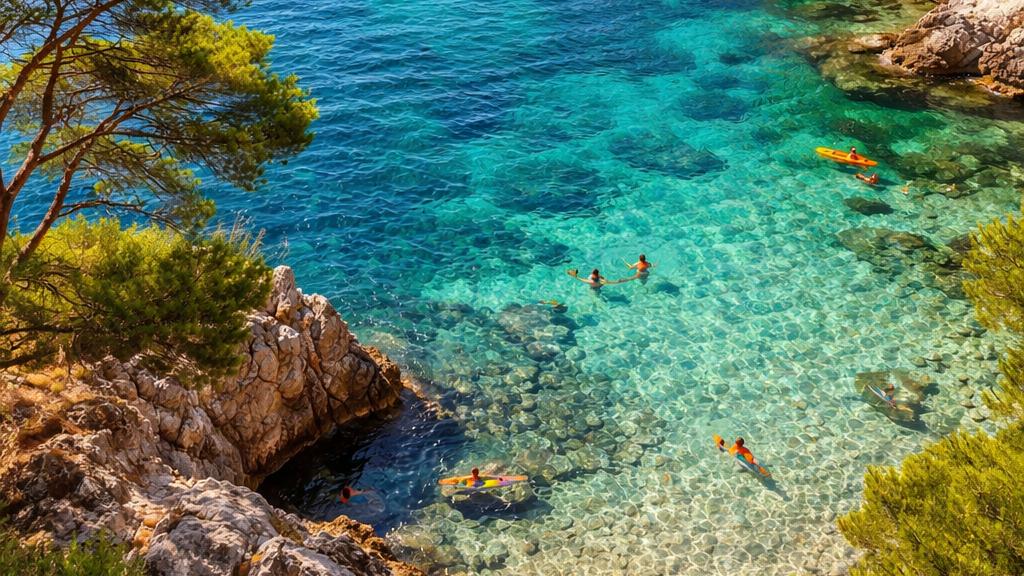
A good Dubrovnik itinerary for Americans should include the sea.
Dubrovnik’s history is inseparable from it.
For centuries, the wealth and independence of the Republic depended on ships, merchants, navigation and connections across the Mediterranean.
Seeing only the stone city and never experiencing the Adriatic leaves out an important part of Dubrovnik’s identity.
For Day 3, I would choose between two very different experiences.
Option 1: Lokrum Island

For the easiest escape, choose Lokrum.
It sits just offshore from Dubrovnik, yet the atmosphere changes almost immediately once you leave the Old Port.
There are forest paths, monastery ruins, gardens, peacocks and rocky places for swimming.
My local recommendation is simple:
bring water shoes.
This surprises some American visitors who associate a beach holiday with long stretches of sand.
Around Dubrovnik, swimming from rocks, pebbles or stone platforms is completely normal.
That is also one reason the Adriatic here is often beautifully clear.
Allow at least several hours rather than rushing over simply to say you visited.
Ferry access is seasonal, so check current departure and ticket information before your visit.
I have a separate local guide to Lokrum Island if you decide this is the better option for you.
Lokrum works particularly well when you want the sea without committing the entire day to a boat excursion.
Option 2: The Elaphiti Islands

If you want your third day to revolve around the Adriatic, consider the Elaphiti Islands.
Koločep, Lopud and Šipan offer another side of the Dubrovnik region: small settlements, swimming coves, stone houses, fishing boats and long lunches beside the water.
A private boat gives you the greatest flexibility because you can stop according to the weather, sea conditions and what you enjoy rather than following a rigid timetable.
This is the day I would plan the least.
Swim.
Stop somewhere you like.
Have lunch.
Stay longer if the atmosphere feels right.
Not every day in Dubrovnik needs a list of monuments.
Day 4: Choose According to What You Still Want
By this point, I would not automatically prescribe another excursion.
Day 4 should depend on what you have enjoyed most.
There are three very different directions you can take.
Option 1: Montenegro and the Bay of Kotor

If you want another country, dramatic scenery and another historic walled town, the Bay of Kotor is a natural choice.
Many excursions include both Kotor and Perast.
It is beautiful, but this is a genuine travel day rather than an extension of Dubrovnik sightseeing.
You will cross an international border, so bring your passport and allow flexibility for border traffic.
I generally recommend this option to guests who do not mind spending a significant part of their day traveling in exchange for seeing another country and a very different landscape.
Option 2: Mostar and Bosnia and Herzegovina

Mostar offers an even stronger contrast.
The Ottoman influence, Stari Most, the Neretva River, narrow bazaar streets and historic architecture create an atmosphere completely different from Dubrovnik.
For American visitors interested in the complicated history and cultural diversity of this part of Europe, it can be fascinating.
But again, treat it as a proper full-day excursion.
I would not schedule an elaborate evening in Dubrovnik after returning.
Option 3: Stay Local
This is the option that often gets overlooked.
There is absolutely no rule saying that your fourth day needs another country.
Visit Cavtat.
Have a long seaside lunch.
Go swimming.
Return to a favorite place in Dubrovnik.
Or spend an afternoon doing almost nothing in particular.
Especially if Dubrovnik is one stop within a longer European vacation from the United States, a slower final day can be worth much more than adding another destination to your list.
What American Travelers Often Underestimate in Dubrovnik
There are a few practical things I repeatedly notice when guiding visitors from the United States.
They may sound small, but they can genuinely change how comfortable your itinerary feels.
The Walking
Distances are short.
That does not mean every walk is effortless.
There are stairs, slopes and polished limestone surfaces throughout parts of the historic center.
Comfortable shoes matter much more than they may seem when you are packing.
Families traveling with children may prefer a lighter pace; my private Dubrovnik Family Walking Tour is specifically designed around a more flexible, child-friendly rhythm.
The Heat
Dubrovnik’s summer temperatures are only part of the story.
The stone itself becomes hot, and there is limited shade in places such as the City Walls.
This is why I prefer a morning + break + later-afternoon rhythm in summer.
The First Day After Flying From the United States
Do not make your arrival day the hardest day of the trip.
If you have crossed several time zones, keep that first afternoon flexible.
Coffee, an easy walk and an early look around the city can be much more sensible than immediately scheduling the walls, museums and Mount Srđ.
How Long People Sit Over Coffee
Nobody is going to wonder why you are still sitting there.
Coffee culture here is much slower than grab-and-go coffee culture in many American cities.
For locals, coffee is often about conversation and time rather than simply caffeine.
If you enjoy that side of travel, I explain it more in Croatian Coffee Culture in Dubrovnik: The Art of Slowing Down.
You can also experience that rhythm through my Early Morning Walking Tour & Local Coffee Experience.
It is one local habit I recommend adopting immediately.
Practical Dubrovnik Advice for Americans
A few small differences are useful to know before following this itinerary.
If you are visiting Dubrovnik from the United States for the first time, my separate guide for American travelers covers the broader practical and cultural questions that are useful before arrival.
Here, I’ll keep the advice focused on what directly affects this itinerary.
Croatia Uses the Euro
Croatia uses the euro (€).
Cards are widely accepted, although some cash remains useful for smaller purchases.
When paying by card or withdrawing money, pay attention if you are offered conversion into U.S. dollars rather than simply accepting it automatically.
Tipping Is Less Standardized Than in the United States
Tipping in Croatia is appreciated, but it is not as standardized as in the United States.
You do not need to automatically add 20% to every restaurant bill.
In restaurants, guests commonly leave something when service has been good, while tipping a private guide is entirely discretionary and generally reflects the quality of the experience.
Dining Has a Slower Rhythm
You do not need to completely change your eating schedule.
But meals—especially dinner—can be slower and more social than many Americans are accustomed to at home.
During high season, reserve restaurants that genuinely matter to you.
At the same time, I always suggest leaving at least one meal unplanned.
Sometimes the place you notice while walking becomes the one you remember.
A Few Local Habits Worth Knowing
Dubrovnik receives international visitors every day, and English is widely used throughout tourism.
You are unlikely to find everyday communication difficult.
A few habits are still worth remembering.
Swimwear belongs at the beach. Walking through historic streets or entering restaurants in beachwear is not appropriate.
Churches are still churches. They are monuments, but also active religious spaces.
People live inside the Old Town. Keep voices reasonable late at night in residential streets.
And perhaps most importantly:
slow down a little.
Sitting over coffee, talking after dinner or remaining beside the sea without immediately moving to the next attraction is completely normal here.
As someone who grew up here, I think that is one Dubrovnik habit worth adopting during your stay.
Dubrovnik becomes much easier to understand once you stop trying to optimize every minute of it.
When I Personally Prefer to Visit Dubrovnik
For sightseeing, I particularly like late spring and early autumn.
April, May and June bring increasingly warm weather and long days.
September and October are also beautiful because the Adriatic retains much of its summer warmth while the atmosphere gradually becomes more relaxed.
July and August are beautiful, lively and busy.
They can still be excellent months to visit—you simply need to organize sightseeing around the heat and busiest hours.
During the hottest part of summer, I would rather explore early, disappear for a good lunch and rest, and return later than spend the entire day continuously sightseeing.
You don’t need a different list of attractions.
You need a different rhythm.
Where to Stay for This Type of Itinerary
For an itinerary centered around the Old Town, I would usually consider Old Town, Ploče or Lapad.
| Area | Best For | Main Consideration |
| Old Town | Maximum atmosphere and being surrounded by history | Stairs, crowds and little/no direct vehicle access |
| Ploče | Sea views + walking access to the Old Town | Some properties involve hills or steps |
| Lapad | Beaches, promenades and quieter evenings | You will travel to the Old Town rather than step directly into it |
Old Town
Choose the Old Town if waking up surrounded by historic Dubrovnik matters more to you than vehicle access.
Check the exact location of your accommodation carefully.
“Inside the Old Town” can mean a nearly flat walk from Pile Gate—or a considerable number of stairs.
Ploče
I like Ploče for travelers who want a balance between views and access.
Much of the area is within walking distance of the Old Town while giving you some distance from its busiest streets.
Lapad
Choose Lapad if you prefer beaches, promenades and a more residential atmosphere.
You will not be staying beside the medieval monuments, but you gain more space and a different rhythm in the evenings.
It works particularly well if your Dubrovnik stay is meant to combine sightseeing with vacation time.
Dubrovnik Itinerary for Americans: Quick Local Advice
Before you leave, these are the practical points I would remember:
| Topic | My Advice |
| Old Town | Give it a proper morning rather than racing through |
| City Walls | Avoid the strongest summer heat |
| Mount Srđ | Check weather and cable-car operation before going |
| Lokrum | Ideal for an easy half-day sea escape |
| Elaphiti Islands | Better when you want the sea to fill most of the day |
| Montenegro/Mostar | Choose them only if you genuinely want a full travel day |
| Shoes | Comfort matters on limestone and stairs |
| Summer | Build a midday break into your schedule |
| Coffee | Don’t rush it |
| Overall rhythm | One major experience + one slower experience |
FAQ: Planning a Dubrovnik Itinerary From the United States
What is the best way to organize a Dubrovnik itinerary?
The best approach is to plan one major experience and one slower experience each day. For example, explore Dubrovnik Old Town in the morning, take a proper lunch or hotel break, and walk the City Walls later in the day. This keeps the itinerary realistic while leaving time to enjoy the city rather than rushing between attractions.
Should I visit Dubrovnik Old Town and the City Walls on the same day?
Yes. Dubrovnik Old Town and the City Walls work very well on the same day, but I recommend separating them with lunch or a rest. In summer, exploring the Old Town earlier and walking the walls later also helps you avoid the strongest heat.
Should I choose Lokrum or the Elaphiti Islands from Dubrovnik?
Choose Lokrum for an easy half-day escape and the Elaphiti Islands for a fuller Adriatic experience. Lokrum is close to the Old Town and works well for walking and swimming, while the Elaphiti Islands are better if you want boating, swimming coves and a relaxed seaside lunch to become the focus of the day.
Is a day trip to Montenegro or Mostar worth it from Dubrovnik?
Yes, if you genuinely want to spend a full day exploring another destination. Montenegro offers dramatic coastal scenery and historic Kotor, while Mostar provides a very different cultural and architectural experience in Bosnia and Herzegovina. If your European itinerary is already busy, staying closer to Dubrovnik, visiting Cavtat or enjoying a slower sea day can be equally rewarding.
What do American travelers usually underestimate in Dubrovnik?
American travelers often underestimate the amount of walking, Dubrovnik’s stairs and polished limestone, the summer heat, jet lag after arriving from the United States, and the slower local rhythm of meals and coffee. Building breaks into the itinerary usually makes the entire stay more comfortable.
Final Thoughts From a Dubrovnik Local
The biggest mistake you can make in Dubrovnik is not missing a monument.
It is trying to see so much that you stop enjoying where you are.
If you are coming all the way from the United States, give Dubrovnik enough time to become more than a photograph of red roofs and medieval walls.
Walk through the Old Town before it becomes busy.
Learn why a tiny maritime republic survived for centuries beside far more powerful neighbors.
See the city from Mount Srđ.
Swim in the Adriatic.
Sit over coffee longer than you normally would.
And leave enough room for plans to change.
That is the philosophy behind this Dubrovnik itinerary for Americans.
You can certainly see Dubrovnik in a day.
But when you have three or four days, you begin to understand it.
And for me, as someone who lives here and has spent years guiding visitors through these streets, that is when Dubrovnik becomes truly interesting.
Want to Experience Part of the Itinerary With a Local?
If you like the idea of experiencing Dubrovnik at this pace—with the history explained and the route adapted around your interests—I offer completely private Dubrovnik walking tours designed around your interests, pace and available time.
There are no mixed groups and no fixed script.
The experience can concentrate on Dubrovnik’s history, local life, architecture, City Walls, Game of Thrones locations or simply the parts of the city you are most curious about.
You can see all current options here:
Explore Private Walking Tours in Dubrovnik
VipWalk Dubrovnik
Licensed local Dubrovnik guides
Email: info@vipwalk-dubrovnik.com
WhatsApp & Phone: +385 91 984 2664