When travelers search for the best places to visit in Dubrovnik, they are not looking for random suggestions. They want clarity. They want the must-see landmarks. They want to understand what defines the city — historically, culturally, architecturally — and how to experience it properly.
Dubrovnik is not just beautiful. It is strategically beautiful. Every fortress, palace, monastery, and limestone street was shaped by centuries of diplomacy, maritime trade, and calculated governance. The Republic of Ragusa survived between Venice and the Ottoman Empire not through military domination, but through negotiation, neutrality, and intelligent urban planning.
This guide focuses on the essential gems — the iconic places you should not miss. These are the landmarks that built Dubrovnik’s global reputation. And when visited at the right time, with the right interpretation, they become unforgettable.
For a deeper, narrative-led exploration of these landmarks and the hidden strategies behind them, join our Whispers of the Past – Old Town Walking Tour, where Dubrovnik’s history is revealed through stories that connect diplomacy, architecture, and power into one unforgettable experience.
Dubrovnik City Walls – The Crown Jewel of the Adriatic

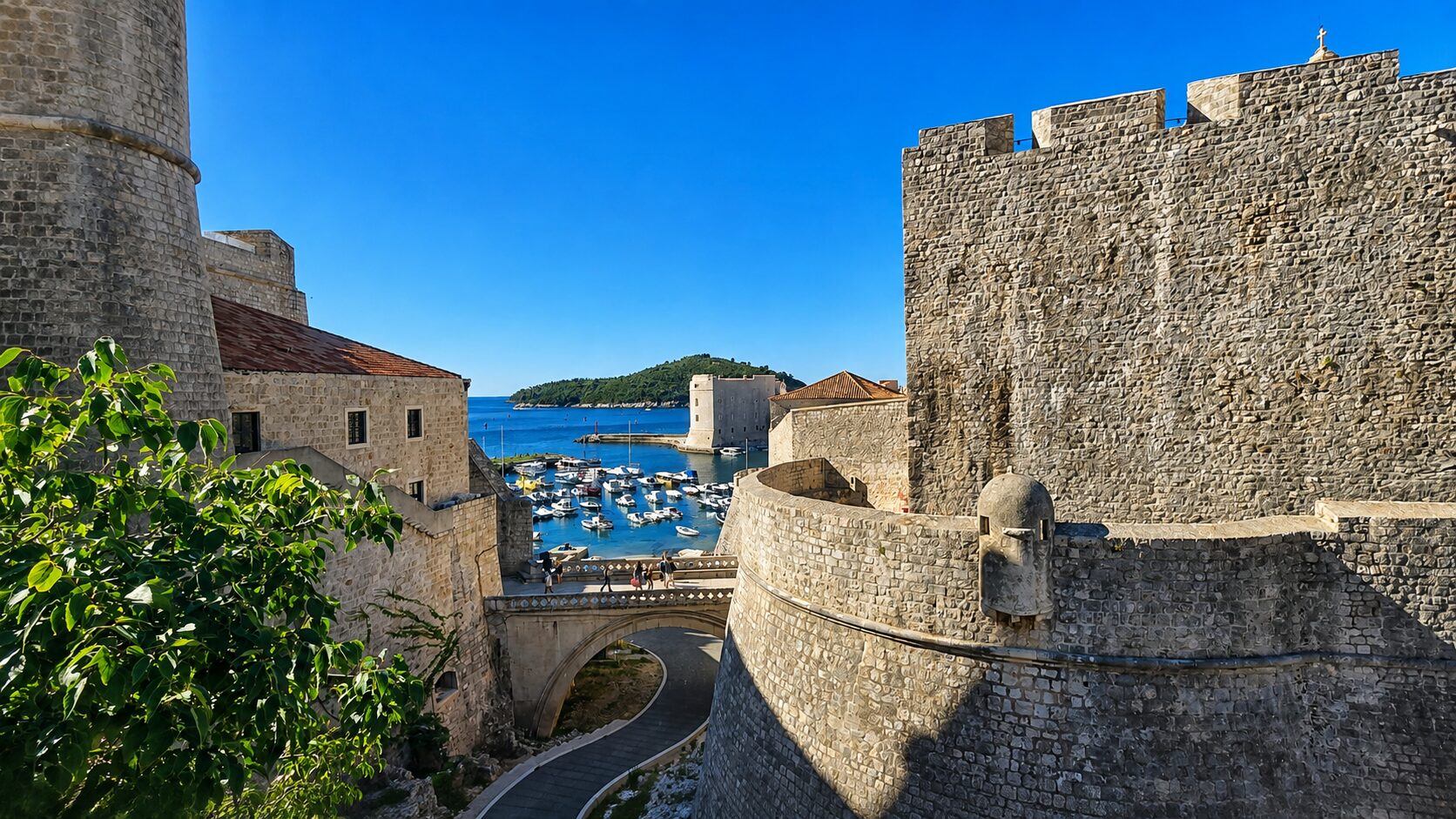
No list of the best places to visit in Dubrovnik is complete without the legendary Dubrovnik City Walls.
Stretching nearly two kilometers, the walls represent one of the most complete medieval defensive systems in Europe. Built between the 13th and 17th centuries, they protected a maritime republic that valued freedom above all else.
Dubrovnik remained independent for centuries because of:
- Strategic diplomacy
- Maritime wealth
- Advanced fortification engineering
From Minčeta Tower to Bokar Fortress, the panoramic views over terracotta rooftops and the Adriatic Sea are unmatched.
Best Time to Visit the Walls
Cruise ship arrivals significantly impact crowd levels. Most ships dock between 8:00 AM and 4:00 PM, with peak congestion from 10:30 AM to 2:30 PM.
For a refined experience:
- Visit between 8:00–9:30 AM
- Or after 5:00 PM
For optimized timing and structured interpretation, consider the Private Walking Tour Dubrovnik – Avoid Crowds.
For additional logistical insight, see Dubrovnik After the Crowds: The Elegance of a Private Heritage Experience.
Stradun – The Architectural Spine of the Old Town

Stradun is the polished limestone artery of Dubrovnik.
After the devastating earthquake of 1667, the city was rebuilt in a unified baroque style. This created architectural harmony rarely seen elsewhere in Europe.
Stradun reflects:
- Urban resilience
- Baroque symmetry
- Civic pride
Early morning visits reveal its reflective marble glow, while evenings showcase elegant illumination.
To experience Stradun before peak congestion, explore the Early Morning Old Town Tour.
Rector’s Palace – Diplomacy Over Domination

The Rector’s Palace is essential for understanding Dubrovnik’s political genius.
The elected Rector governed for only one month and was prohibited from leaving the palace during his term. This prevented corruption and maintained aristocratic balance.
The Republic of Ragusa mastered:
- Neutral diplomacy
- Strategic tribute payments
- Maritime trade alliances
For deeper storytelling that connects governance with social narratives, read Hidden Stories of Pride in Dubrovnik: LGBTQ+ History, Symbols and Openness Through the Centuries.
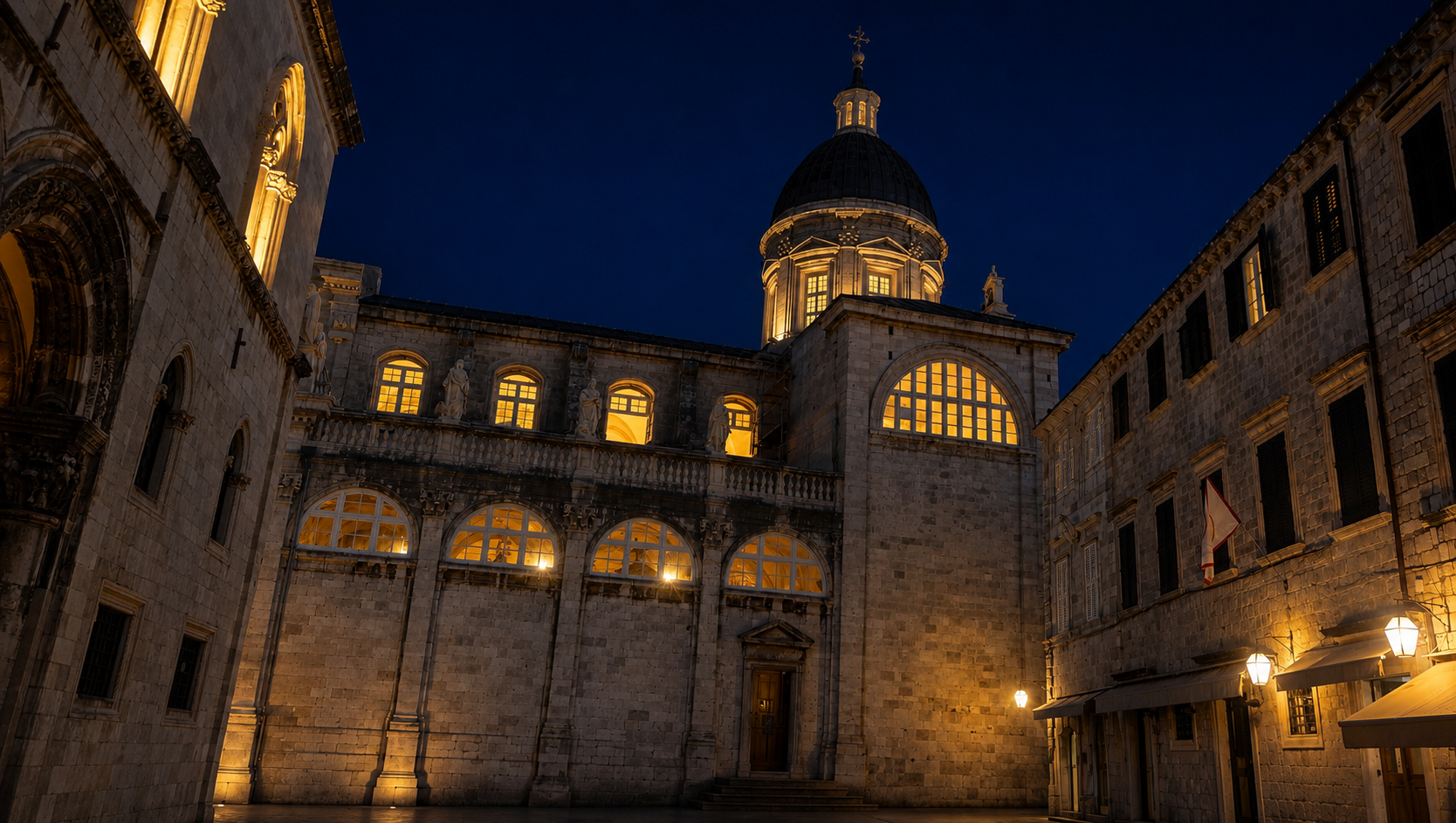
Dubrovnik Cathedral – Faith and International Influence

The Cathedral of the Assumption reflects Dubrovnik’s global connections.
Through maritime trade, the city accumulated wealth and artistic influence. The cathedral treasury contains relics and artworks demonstrating strong ties to Renaissance Europe.
This landmark represents:
- Religious authority
- Cultural sophistication
- International diplomacy
Couples planning a romantic itinerary may also enjoy Best Things to Do in Dubrovnik for Couples (2026 Local Guide) for curated pacing.
Mount Srđ – The Strategic Panorama

Mount Srđ offers the definitive aerial perspective of Dubrovnik.
From this vantage point, visitors understand:
- The defensive perimeter
- The compact aristocratic core
- The sea as both protection and economic lifeline
Mount Srđ also played a vital role during the Homeland War in the 1990s.
For sunset experiences designed around atmosphere and pacing, explore the Romantic Dubrovnik Tour.
Lokrum Island – Contrast and Calm

Lokrum Island provides essential contrast to Old Town intensity.
Just 15 minutes from the Old Port, it offers:
- Benedictine monastery ruins
- Botanical gardens
- A saltwater lagoon
- Shaded forest trails
Families can find helpful guidance in Best Things to Do in Dubrovnik With Kids – Complete Family Travel Guide and Dubrovnik With Kids: Is Dubrovnik Family Friendly?
Lovrijenac Fortress – The Symbol of Freedom

Lovrijenac Fortress stands outside the western walls on a dramatic rock.
Its inscription reads:
“Freedom is not sold for all the gold in the world.”
This fortress symbolizes Dubrovnik’s refusal to submit to Venice.
For full defensive-system context, pair this visit with the Private Walking Tour Dubrovnik – Avoid Crowds.
Franciscan Monastery & Old Pharmacy – Continuity Since 1317
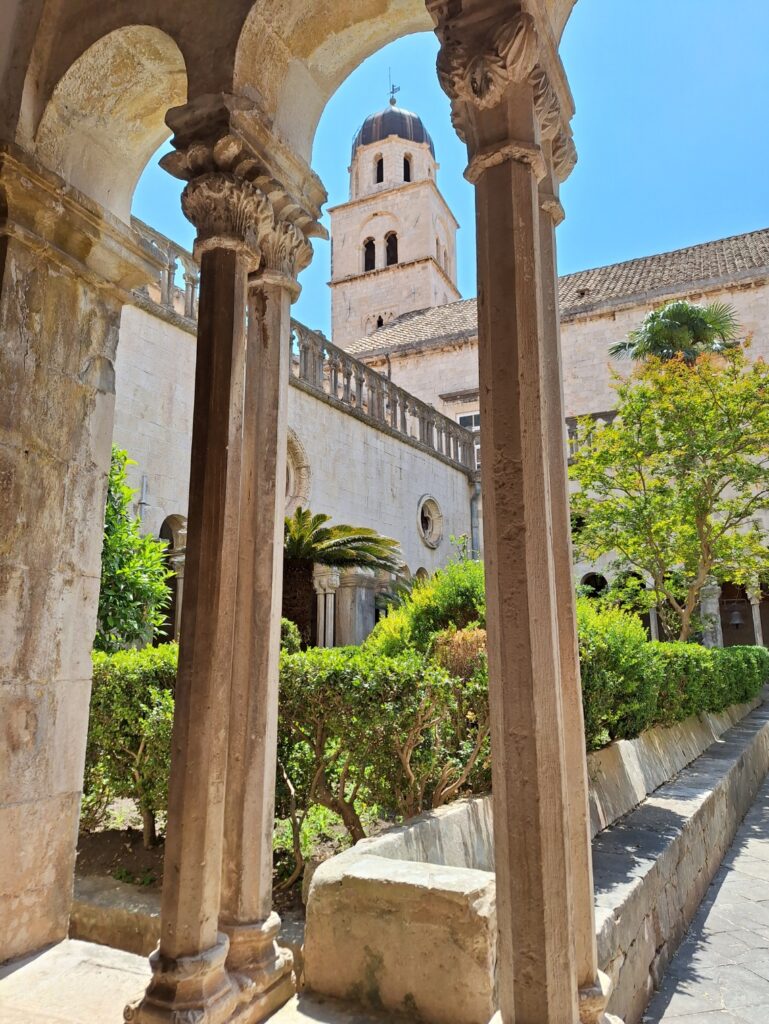
One of Europe’s oldest functioning pharmacies (est. 1317) operates within the Franciscan Monastery complex.
This site demonstrates:
- Medieval medicine
- Monastic scholarship
- Urban continuity
It is a quieter yet culturally rich landmark often overlooked by rushed visitors.
Seasonal Strategy – When to Visit Dubrovnik
Understanding seasonality is crucial when deciding the best places to visit in Dubrovnik.
Spring (April–May)
- Pleasant temperatures
- Lower cruise traffic
- Ideal for photography
Summer (June–August)
- Vibrant atmosphere
- Heavier congestion
- Early-morning touring recommended
Autumn (September–October)
- Warm sea
- Softer light
- Balanced visitor flow
For safety and navigation advice across seasons, see Is Dubrovnik Safe in 2026? A Complete Safety Guide for Tourists, Solo Travelers & LGBTQ+ Guests.
Suggested 2-Day Itinerary Structure
Day 1:
- Early City Walls visit
- Rector’s Palace
- Cathedral
- Sunset Mount Srđ
Day 2:
- Franciscan Monastery
- Lovrijenac Fortress
- Lokrum Island
- Evening Stradun stroll
This pacing avoids congestion and maximizes depth.
Why Dubrovnik Stands Apart from Other Croatian Cities
Compared to Split or Zadar, Dubrovnik offers:
- Fully enclosed medieval fortifications
- Continuous aristocratic governance history
- Advanced diplomatic legacy
- Architectural uniformity
Dubrovnik feels intentional. Engineered. Disciplined.
That is why it consistently ranks among the best places to visit in Croatia.
FAQ – Best Places to Visit in Dubrovnik
What is the most famous place in Dubrovnik?
The Dubrovnik City Walls are the city’s most iconic landmark.
How many days do you need in Dubrovnik?
Two days allow comfortable exploration. Three days provide immersive pacing.
Is Dubrovnik walkable?
Yes. The Old Town is compact but includes stairs and elevation changes.
Is Dubrovnik worth visiting?
Absolutely. Its preserved medieval structure and diplomatic history make it unique in Europe.
Conclusion – Visit with Awareness
The best places to visit in Dubrovnik are not random attractions. They are interconnected chapters of a republic that survived through intelligence rather than military domination.
From the City Walls to the Rector’s Palace, from Mount Srđ to Lokrum Island, each landmark reveals strategic independence and architectural precision.
Visit them.
But visit them properly.
For structured interpretation, optimized timing, and refined pacing, explore the Private Walking Tour Dubrovnik – Avoid Crowds or the Early Morning Old Town Tour for a premium experience.