Split or Dubrovnik for first-time visitors is one of the most common questions I hear from travelers planning their first trip to Croatia.
And honestly, I understand why.
Both cities are beautiful. Both are historic. Both are on the Adriatic coast. Both can be part of an unforgettable Croatia itinerary.
But they do not feel the same.
Dubrovnik is dramatic, elegant, enclosed by stone walls, and emotionally unforgettable. Split is lively, relaxed, Roman, and easier to blend into everyday local life. If Dubrovnik feels like stepping into a perfectly preserved maritime republic, Split feels like walking straight into a living Roman palace where people still drink coffee, hang laundry, shop for fruit, and meet friends.
If you are searching for a Split vs Dubrovnik comparison, the answer depends on the kind of Croatia experience you are looking for.
I am writing this as a Dubrovnik local guide, so yes, my heart will always choose Dubrovnik. But I was in Split yesterday with guests who insisted that I join them after their Dubrovnik shore tour, and the conversation became exactly this article.
Some of them preferred Dubrovnik. Some preferred Split. Some could not choose.
I chose Dubrovnik for personal, emotional reasons — because it is my city, my home, my history, and the place I know street by street. But Split is definitely my second favorite city in Croatia.
Both are excellent, but they offer completely different experiences.
That is why Split or Dubrovnik for first-time visitors is really a question of what kind of history you want to feel first.
Many travelers include both cities in the same Croatia itinerary, but if your time is limited, choosing between Split and Dubrovnik depends on the kind of first impression you want from Croatia.
Quick Answer: Split or Dubrovnik for First-Time Visitors?
Choose Dubrovnik if you want medieval walls, dramatic scenery, romance, sea views, and the most unforgettable first impression of Croatia.
Choose Split if you want Roman history, beaches, island hopping, nightlife, and a more relaxed local atmosphere.
The best answer, of course, is to visit both.
But if time is limited, Dubrovnik is usually stronger for first-time visitors who want the “wow” factor. Split is usually better for travelers who want a relaxed city base and easier access to islands.
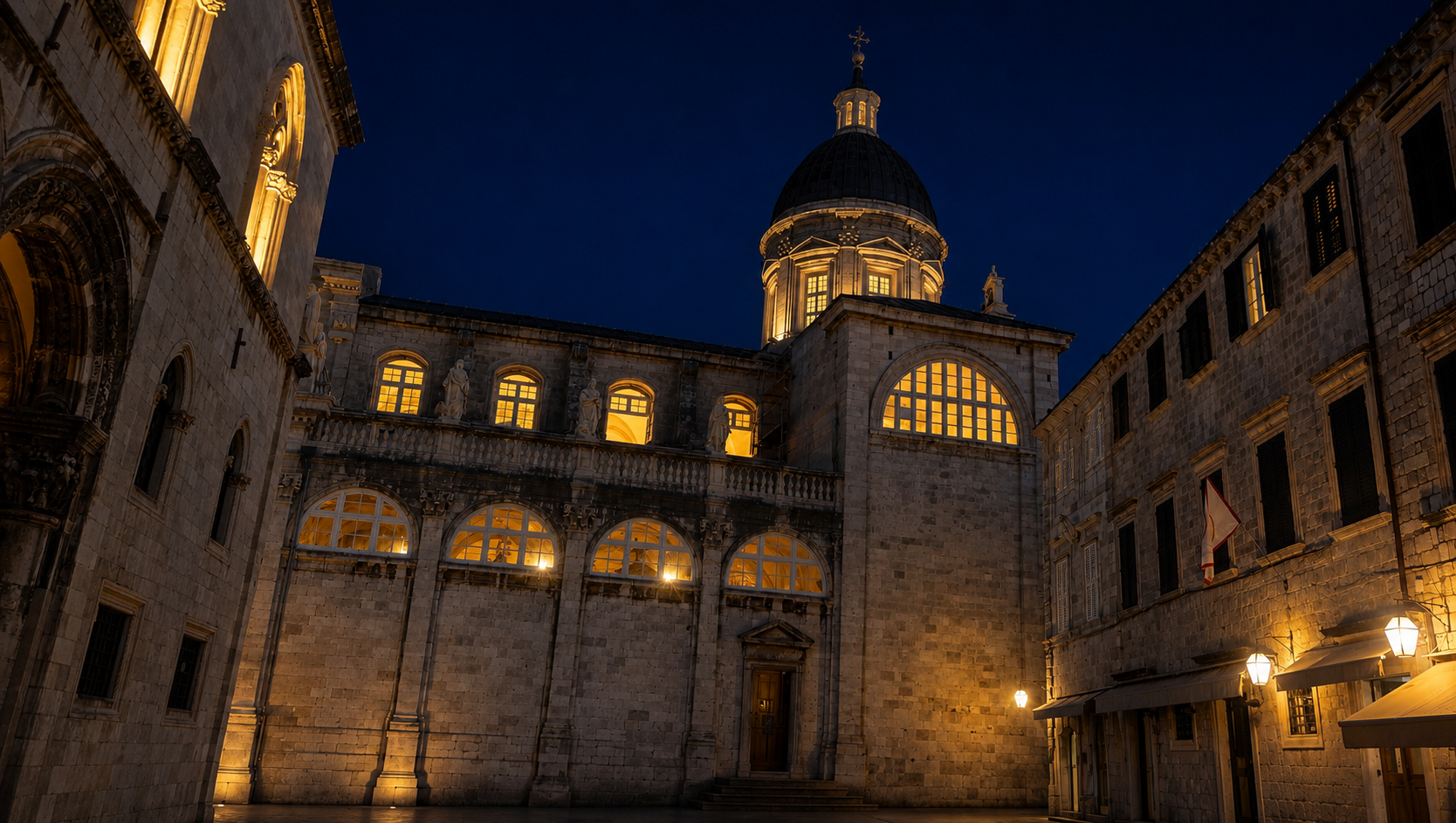
Dubrovnik feels like a destination.
Split feels like a city.
Split vs Dubrovnik: Quick Comparison Table
| Feature | Dubrovnik | Split |
|---|---|---|
| Main historic identity | Medieval maritime republic | Roman imperial palace |
| First impression | Dramatic and cinematic | Lively and relaxed |
| Best for | Romance, views, history, private tours | Nightlife, islands, casual city life |
| Old Town atmosphere | Elegant, enclosed, monumental | Open, busy, lived-in |
| Beaches | Beautiful but often smaller | More variety nearby |
| Views | Exceptional | Very good |
| Cruise guests | Excellent | Excellent |
| Prices | Usually higher | Slightly lower |
| Walking experience | More stairs, more dramatic | Easier in central areas |
| Best emotional impact | Dubrovnik | Split |
| Best local everyday feeling | Split | Split |
The Main Difference Between Split or Dubrovnik for First-Time Visitors
The biggest difference between Split and Dubrovnik is not only architecture. It is atmosphere.
Dubrovnik was a powerful maritime republic. It was built around diplomacy, trade, independence, and careful political balance. That history is still visible in its walls, palaces, gates, harbor, and main street.
If you want to understand this deeper, the story of Dubrovnik’s Old Port and maritime history explains why the city became much more than a beautiful stone town.
Split, on the other hand, grew inside the palace of Roman Emperor Diocletian. That is what makes it so unusual. In many historic cities, ruins are separated from modern life. In Split, people live inside them.
Yesterday in Split, one of my guests stopped in the middle of Diocletian’s Palace and said, “Wait, this is not a museum?”
Exactly.
That is Split’s magic.
You are not only visiting Roman history. You are walking through a city that swallowed Roman history and continued living inside it for centuries.
Dubrovnik is more polished. Split is more spontaneous.
Dubrovnik is a stage. Split is a neighborhood.
Both are real, but they express themselves differently.
First Impressions: Which City Feels More Beautiful?

For most first-time visitors, Dubrovnik wins the first-impression contest.
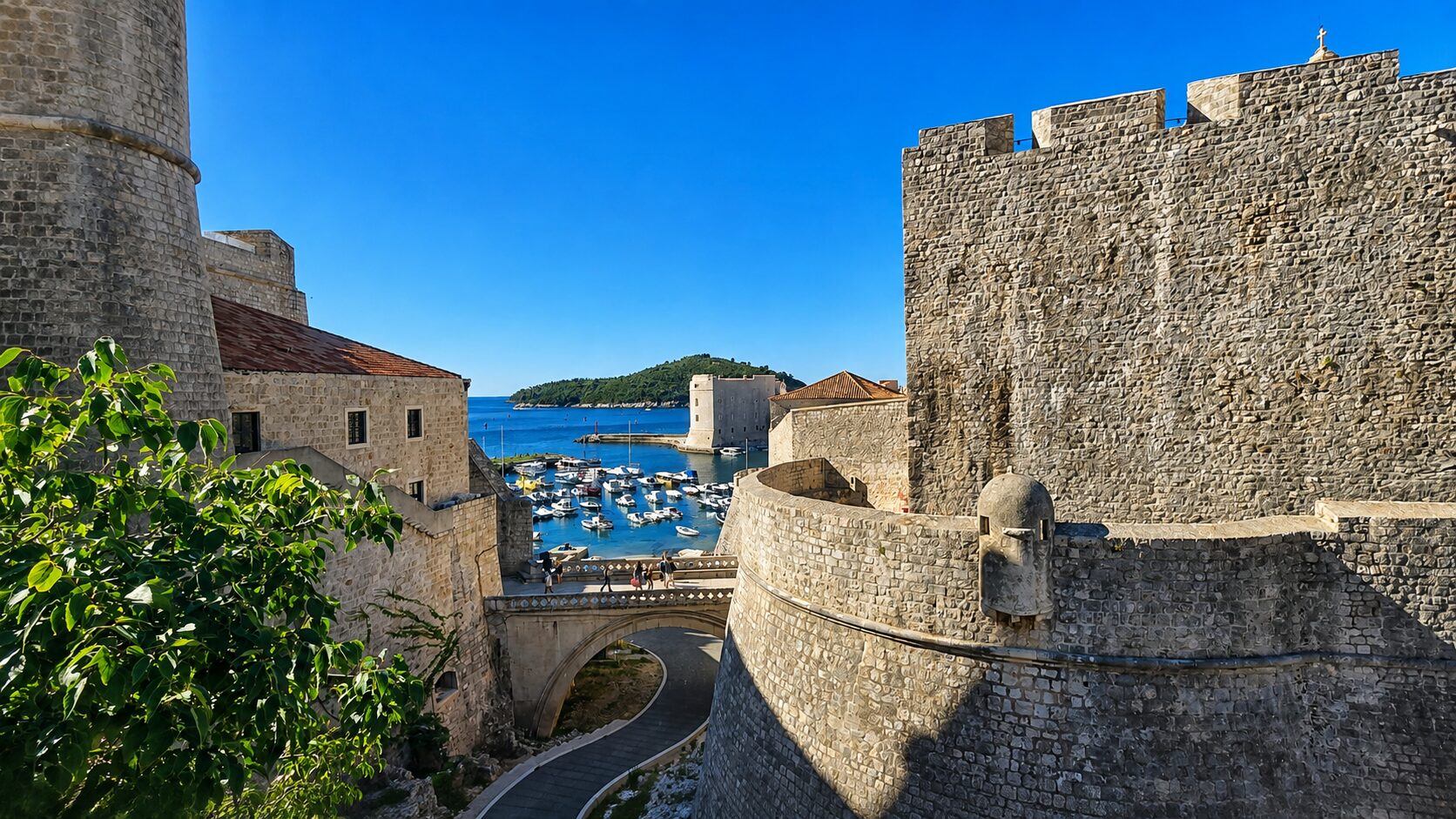
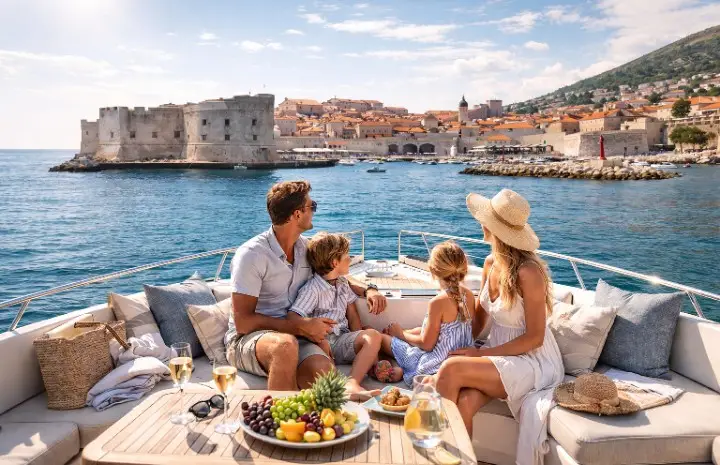
The approach to Dubrovnik is hard to beat. The city walls, red rooftops, Fort Lovrijenac, Lokrum Island, the Adriatic Sea, and the stone gates create one of the most recognizable views in Europe.
This is why so many travelers search for the best panoramic views in Dubrovnik before they arrive. Dubrovnik is a city made for viewpoints.
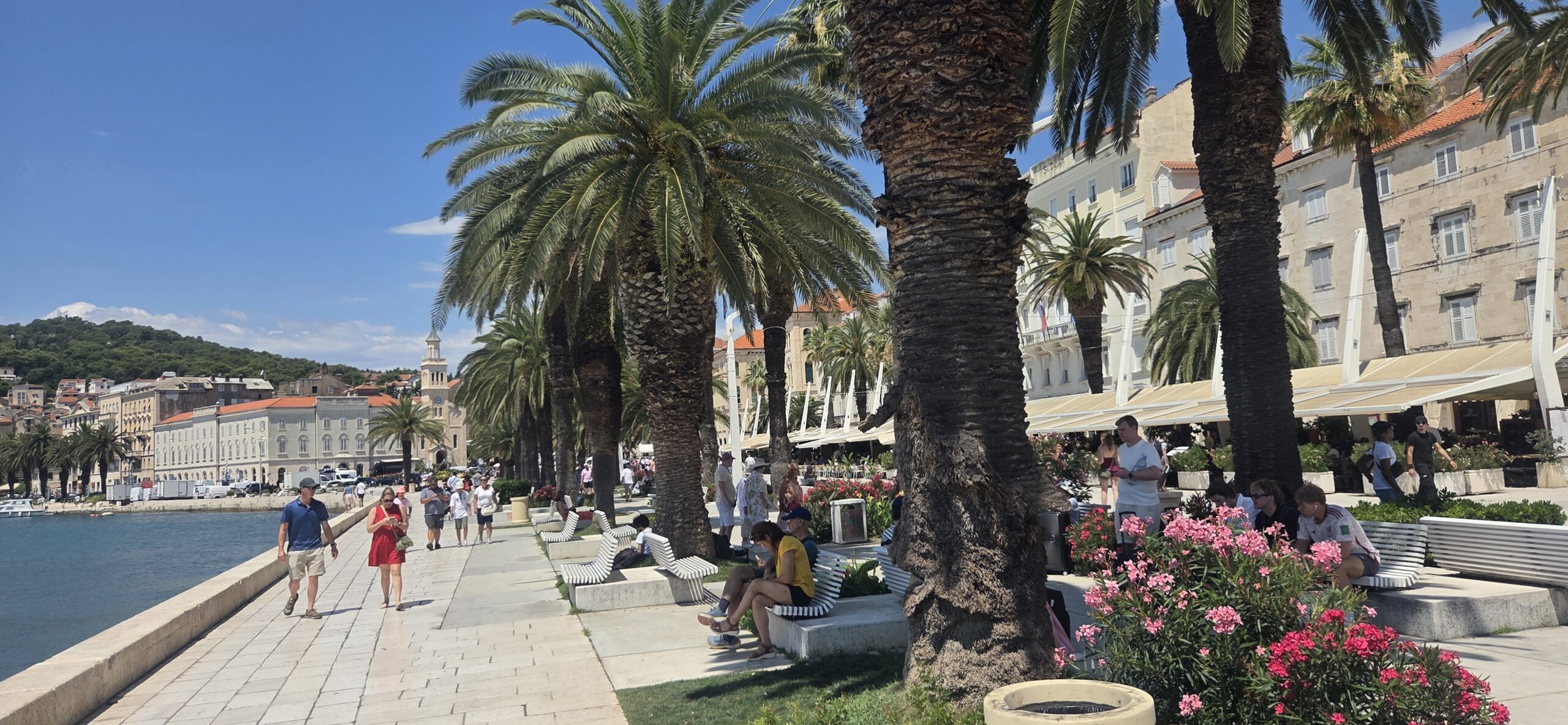
Split is beautiful too, but in a different way. It does not reveal itself as dramatically from the outside. Its beauty is more layered. You discover it slowly through courtyards, Roman columns, narrow lanes, cafés, markets, and the Riva promenade.
One of my guests yesterday said it perfectly: “Dubrovnik is beautiful immediately. Split becomes beautiful while you are walking.”
I agree.
Dubrovnik gives you the postcard first.
Split gives you the atmosphere first.
History: Roman Split or Medieval Dubrovnik?
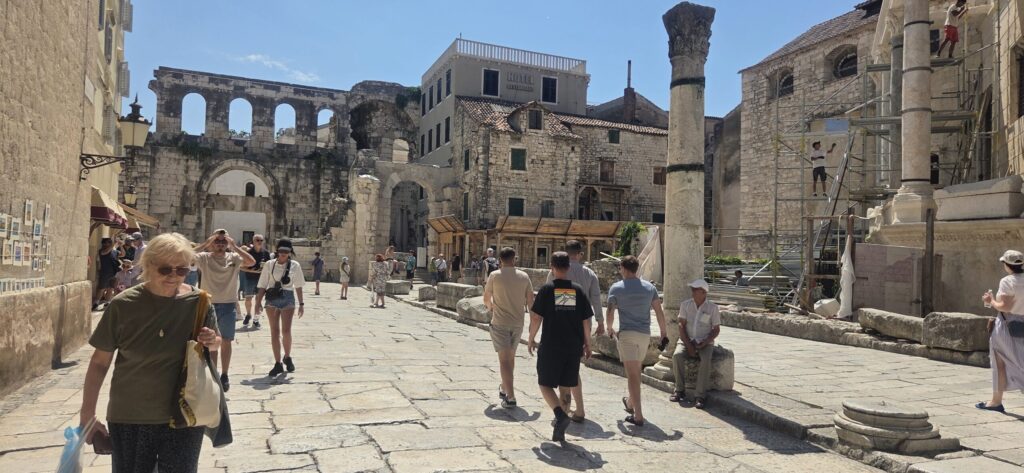
If you love Roman history, Split is extraordinary.
Diocletian’s Palace is one of the most important Roman monuments in Europe, but it is not frozen in time. You can drink coffee inside it, listen to music below ancient arches, and watch daily life happening among walls that are more than 1,700 years old.
If you love medieval history, diplomacy, city walls, maritime trade, and small-state survival, Dubrovnik is exceptional.
Dubrovnik was never just a pretty town. It was the Republic of Ragusa, a small but powerful maritime state that survived for centuries between great empires. Its history includes trade, diplomacy, ships, salt, quarantine, freedom, and a remarkable ability to negotiate with stronger powers.
That is why Dubrovnik often feels more symbolic than Split. It represents independence, intelligence, and survival.
Split feels ancient.
Dubrovnik feels historic and political.
Both are fascinating, but they speak to different interests.
Old Town Experience: Which One Is Better for Walking?
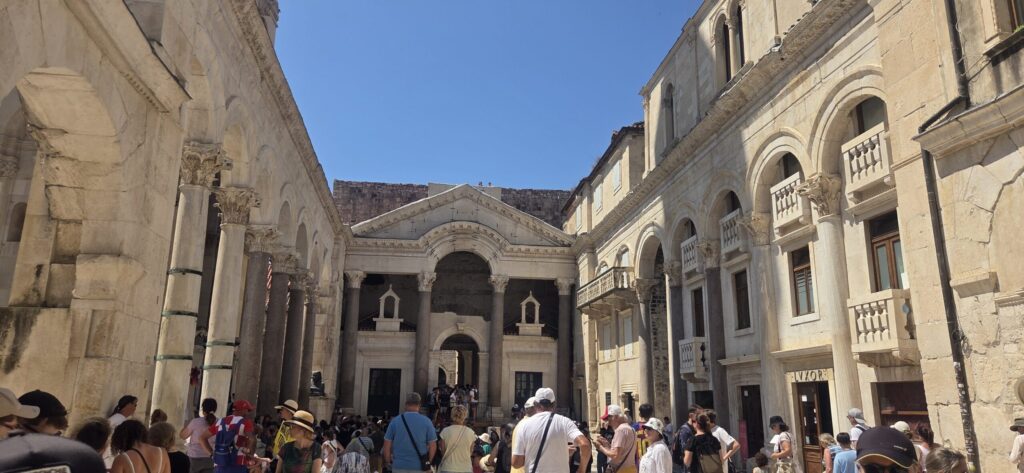
Dubrovnik’s Old Town is compact, elegant, and visually coherent. When you enter through Pile Gate and step onto Stradun, everything feels composed. The limestone street, the church façades, the stone houses, the city gates, and the walls all create a strong sense of place.
Split is less formal. Its historic center is more mixed, more chaotic, and more alive in an everyday way. You might turn a corner and find a Roman column, a modern boutique, a local bar, a laundry line, a musician, and a group of students all in the same small space.
Dubrovnik is easier to understand visually.
Split is easier to feel socially.
For a first-time visitor who wants beauty, structure, and iconic history, Dubrovnik is usually stronger. For someone who likes wandering without a plan, Split may feel more natural. In this part of the Split or Dubrovnik for first-time visitors decision, Dubrovnik gives structure while Split gives spontaneity.
Crowds: Is Dubrovnik More Crowded Than Split?
Dubrovnik has a reputation for crowds, and yes, it can be busy — especially in summer, during cruise ship hours, and around the main entrances to the Old Town.
But the real issue is not simply Dubrovnik. It is timing.
A badly timed visit to Dubrovnik can feel crowded. A well-timed visit can feel calm, elegant, and almost private.
That is why I always tell guests to think carefully about when they enter the Old Town. If you want a quieter experience, the guide to how to avoid crowds in Dubrovnik is one of the most useful things to read before planning your day.
Split also gets crowded, especially in summer evenings, around the Riva, the palace, and ferry connections. But because Split has more local city life mixed into the center, the crowds feel different. They spread into cafés, markets, restaurants, and nightlife.
Dubrovnik crowds often feel more concentrated.
Split crowds feel more urban.
For Dubrovnik, timing and route matter more. For Split, you can usually drift more easily.
Views: Dubrovnik Wins This Category
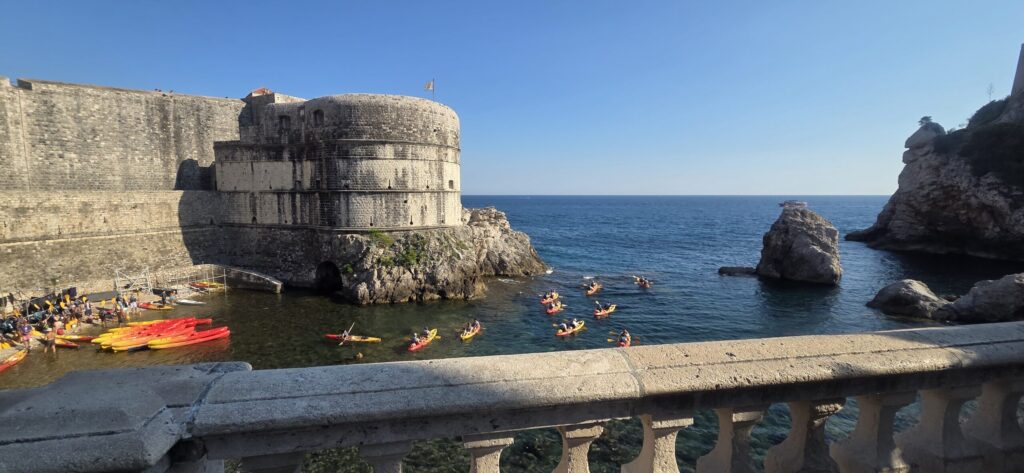
I love Split, but Dubrovnik wins for views.
From Mount Srđ, the city walls, Fort Lovrijenac, the Old Port, Ploče, and the road above the city, Dubrovnik offers one spectacular viewpoint after another.
Split has beautiful views too, especially from Marjan Hill, the Riva, and the seafront. The view toward the islands is lovely.
But Dubrovnik has that rare combination of walls, sea, island, rooftops, cliffs, and fortresses in one frame.
If your dream of Croatia includes unforgettable photos, Dubrovnik is stronger.
Split is beautiful to enjoy.
Dubrovnik is beautiful to remember.
Beaches and Swimming: Split Has a Small Advantage
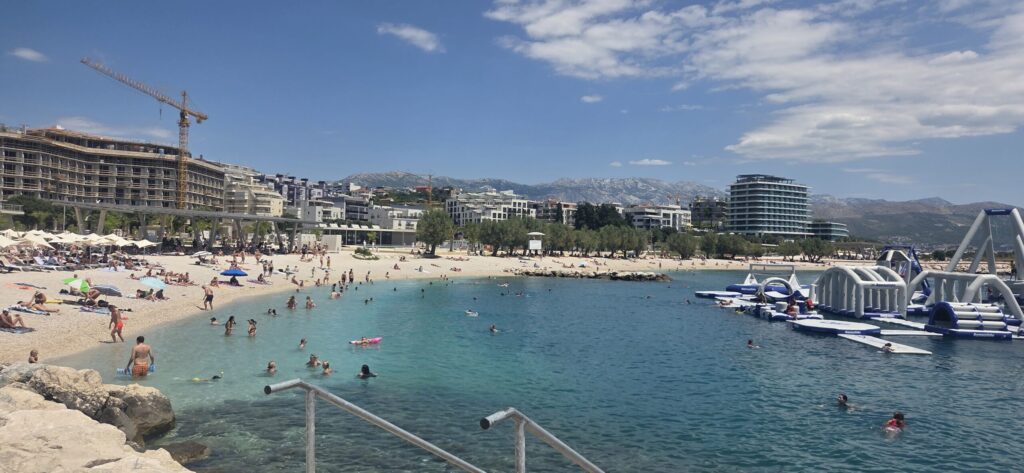
If beaches are a major part of your trip, Split may be easier.
Split has more beach options nearby, and it is also better connected to islands where you can spend full beach days. Bačvice, Kašjuni, Bene, and nearby island beaches give visitors more variety.
Dubrovnik has beautiful swimming spots too, but many are rocky, smaller, or more scenic than spacious. Banje Beach is famous, but it can be crowded. Lokrum is a wonderful escape, especially if you want nature close to the Old Town.
For visitors staying in Dubrovnik, Lokrum Island as a local escape is one of the easiest ways to balance sightseeing with swimming and quiet nature.
So the answer depends on what you want.
For classic beach convenience, Split is slightly better.
For dramatic sea views and swimming near historic scenery, Dubrovnik is more memorable.
So for Split or Dubrovnik for first-time visitors who care mostly about beaches, Split has the practical advantage.
Food, Coffee and Local Life
Split feels more casual for food and everyday local life.
There is a strong café culture, a busy market, a relaxed waterfront, and many places where locals and visitors naturally mix. Split is a city where you can sit for a long time and watch life pass by.
Dubrovnik also has beautiful restaurants, wine bars, terraces, and cafés, but the Old Town is more tourism-focused, especially in high season.
That does not mean Dubrovnik lacks local culture. It means you need to know where and when to look for it.
Split gives you everyday Dalmatian life more easily.
Dubrovnik gives it more quietly.
Game of Thrones: Dubrovnik or Split?
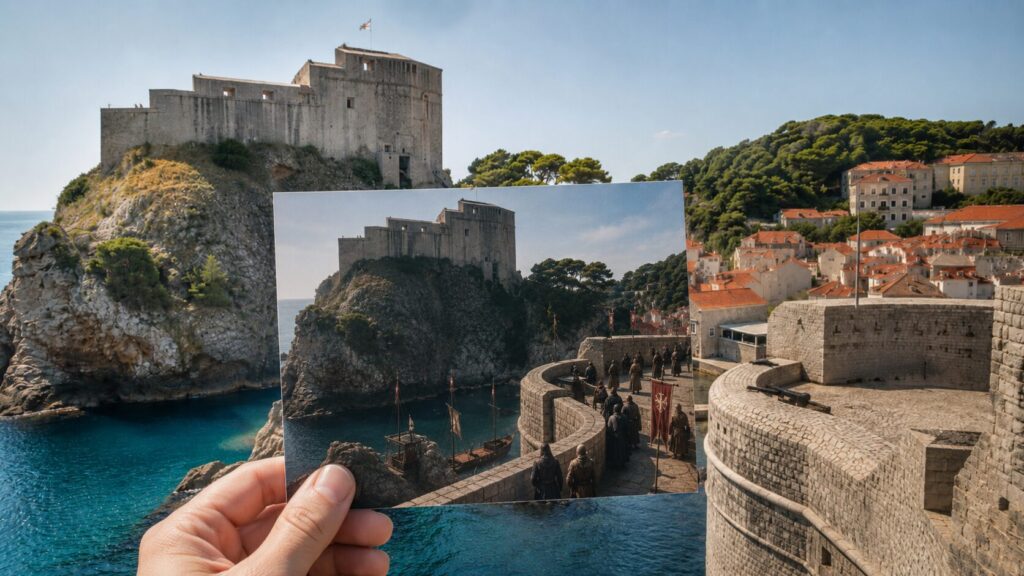
Both cities were used as filming locations, but Dubrovnik is much more strongly connected with Game of Thrones.
For many travelers, Dubrovnik is King’s Landing. The city walls, Fort Lovrijenac, Pile area, Jesuit Steps, and several Old Town locations became some of the most recognizable scenes in the series.
Split also has Game of Thrones locations, especially around Diocletian’s Palace and nearby Klis Fortress, but Dubrovnik has the stronger visual connection.
The best experience is not only “this scene was filmed here.” It is understanding why the real city is even more interesting than the fictional one. If this is one of your interests, our guide to Game of Thrones filming locations and real Dubrovnik history gives a useful introduction.
For Game of Thrones fans, Dubrovnik wins.
For Roman history fans, Split wins.
Split or Dubrovnik for First-Time Visitors Arriving by Cruise Ship
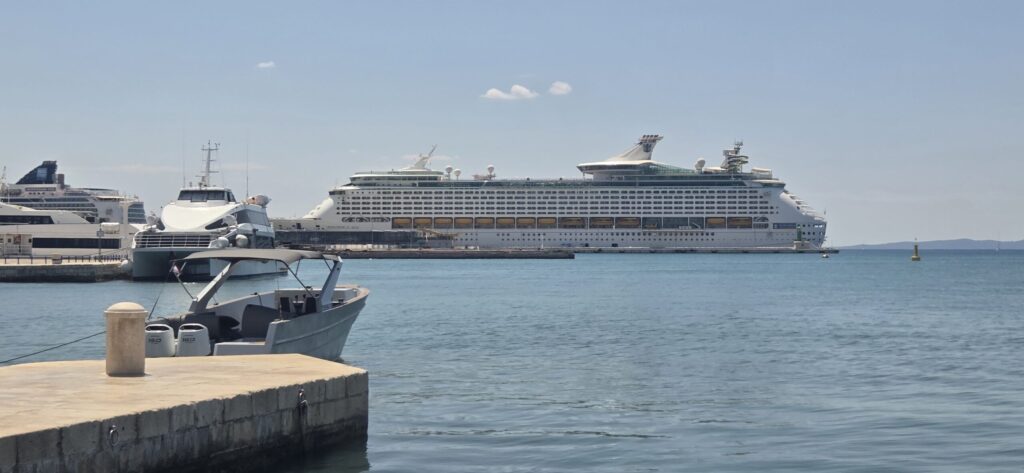
Both cities are excellent cruise ports, but Dubrovnik is one of the most powerful shore excursion destinations in the Mediterranean.
The reason is simple: even with limited time, Dubrovnik delivers a complete experience.
You can visit panoramic viewpoints, enter the Old Town, walk through historic streets, see the Old Port, learn about the Republic of Ragusa, enjoy free time, and return to the ship without feeling that the day was incomplete.
For cruise travelers, planning matters. The article on getting from Dubrovnik Cruise Port to the Old City explains transport options, timing, and common mistakes.
Split is also good for cruise guests, especially because the port is close to the historic center. It is easy to walk into town and enjoy the palace area.
But Dubrovnik feels more like a once-in-a-lifetime shore stop.
Split is convenient.
Dubrovnik is unforgettable.
Which City Is Better for Families?
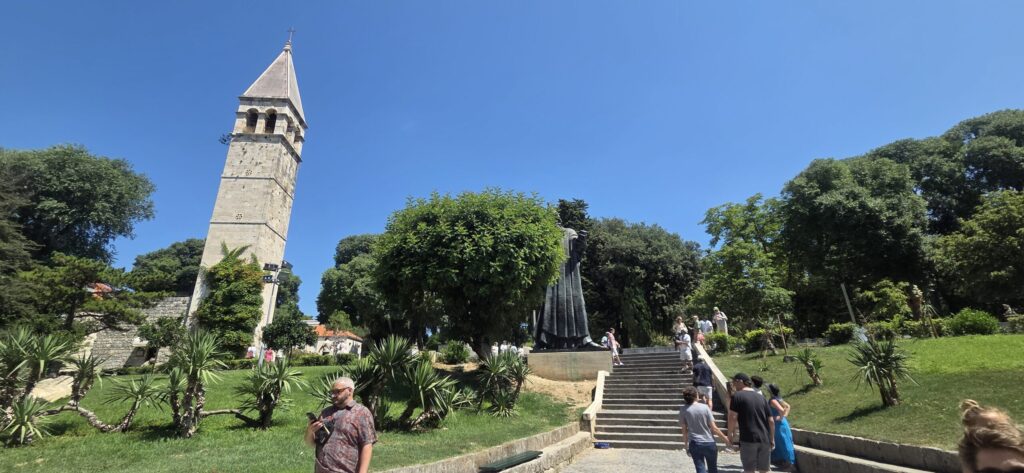
Split can be easier with children because it feels more open and casual. There are beaches nearby, more space for breaks, and a less formal atmosphere.
Dubrovnik can be wonderful for families too, but pacing is important. The Old Town has stairs, summer heat can be intense, and some attractions require planning.
If your family loves history, castles, sea views, stories, and a bit of adventure, Dubrovnik can be magical.
If your family wants a more relaxed city base with easier beach access, Split may be simpler.
For families comparing Split or Dubrovnik for first-time visitors, I would choose Dubrovnik for magic and Split for ease.
Which City Is Better for Senior Travelers?
Dubrovnik is beautiful for senior travelers, but it requires thoughtful planning.
The main street, Stradun, is flat and accessible, and many important sights can be enjoyed without climbing too many stairs. However, side streets, city walls, and some viewpoints can be physically demanding.
For older guests or travelers with walking difficulties, our guide to easy Dubrovnik routes for senior travelers can help you understand what is realistic before planning your visit.
Split’s center can be easier in some ways because the Riva and parts of the palace area are more relaxed. But stone streets, crowds, and uneven surfaces still require care.
The best city depends less on age and more on pacing.
Dubrovnik can be excellent for seniors when the route is adapted.
Split can be easier for casual strolling.
Which City Is More Romantic?
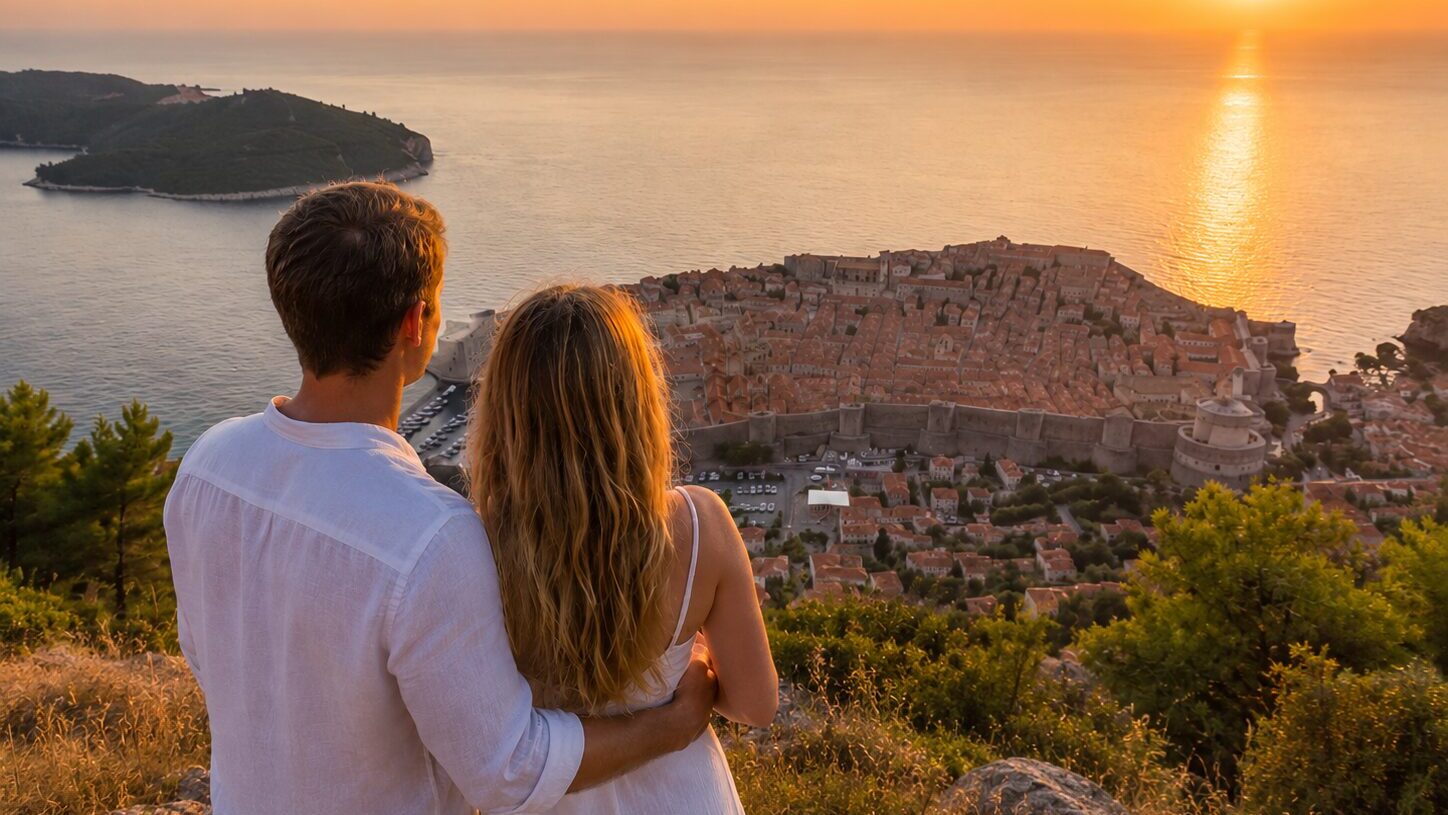
For romance, Dubrovnik wins.
Split has charm, especially in the evening on the Riva, around Marjan, or in small wine bars inside the palace. It is lively and warm.
But Dubrovnik has a more cinematic kind of romance.
The walls, sunset views, sea cliffs, hidden corners, old stone, lanterns, and quiet evening streets create a very special atmosphere. It is one of those cities where even a simple walk can feel like an occasion.
For couples, Dubrovnik is usually the stronger choice, especially if you enjoy sunsets, views, history, and private experiences.
Split is romantic in a relaxed way.
Dubrovnik is romantic in a memorable way.
Which City Is Better for Day Trips?
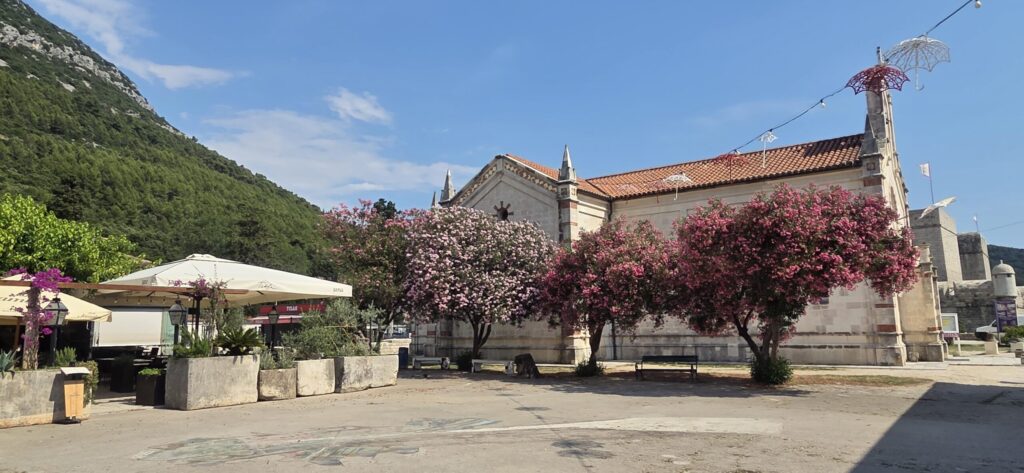
Split is better for island hopping.
From Split, it is easy to visit Hvar, Brač, Vis, Šolta, and other islands. If your Croatia trip is focused on ferries, beaches, nightlife, and island movement, Split is a very practical base.
Dubrovnik is better for dramatic regional day trips.
From Dubrovnik, you can visit Cavtat, Ston, Pelješac, the Elaphiti Islands, Montenegro, Mostar, and other beautiful places. Each direction gives a very different experience.
If you want oysters, salt pans, medieval walls, and a slower coastal atmosphere, Ston from Dubrovnik is one of the most interesting day trips.
Split is stronger for islands.
Dubrovnik is stronger for cultural and scenic excursions.
How Many Days Do You Need?
For Dubrovnik, I recommend at least two full days if possible.
One day can cover the Old Town highlights, but two or three days allow you to experience the city more calmly, include the walls, viewpoints, Lokrum, wine, beaches, or a day trip.
For Split, two days is also a good minimum. One day gives you the palace and Riva, but more time allows you to visit Marjan, beaches, nearby Trogir, or islands.
If you are planning a wider Croatia itinerary, a good balance could be:
- 3 nights in Dubrovnik
- 2 nights in Split
- 2–3 nights on an island
- Optional inland or coastal day trips
This combination gives you both sides of the Croatian coast: Dubrovnik’s dramatic beauty and Split’s relaxed Dalmatian rhythm.
Choose Dubrovnik If…

Choose Dubrovnik if this is your first trip to Croatia and you want the most iconic, emotional, and visually unforgettable city experience.
Dubrovnik is the better choice if you love:
- Medieval walls
- Sea views
- Historic gates and fortresses
- Romantic atmosphere
- Game of Thrones locations
- Private guided walks
- Cruise shore excursions
- Sunset viewpoints
- Elegant Old Town scenery
- A strong sense of history
Dubrovnik is also better if you want your first Croatia experience to feel special from the very first moment.
It is not the cheapest city. It is not always the easiest in summer. But with the right timing and a thoughtful route, it can be extraordinary.
If you are still deciding in the Split vs Dubrovnik debate, Dubrovnik is the city I would recommend for travelers who want the strongest emotional memory of Croatia.
For travelers who want to experience the city beyond the obvious streets, hidden streets in Dubrovnik can show a quieter side of the Old Town that many visitors miss.
Choose Split If…
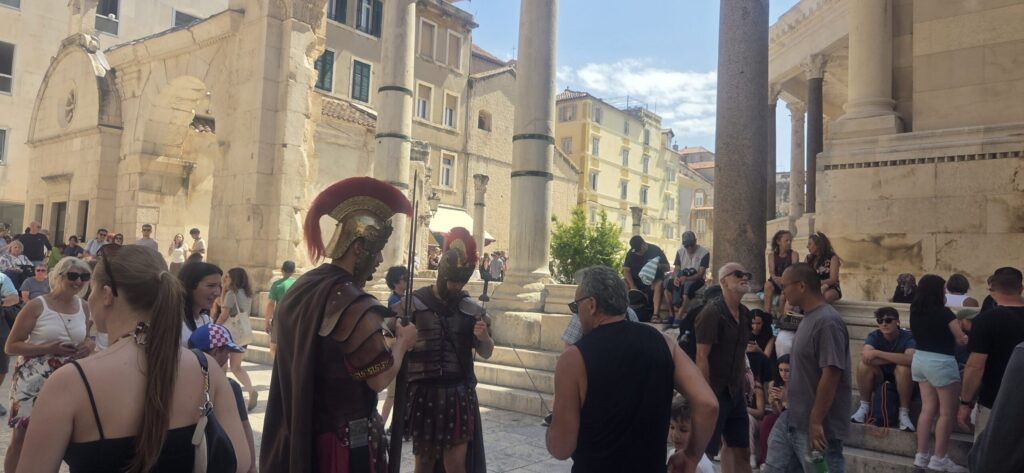
Choose Split if you want a relaxed coastal city with Roman history, local energy, nightlife, beaches, and easy island connections.
Split is the better choice if you love:
- Roman history
- Casual restaurants
- Local markets
- Island hopping
- Nightlife
- Beach days
- A relaxed city base
- Spontaneous wandering
- A less formal atmosphere
Split is especially good for travelers who do not want every day to feel heavily planned.
You can wake up, have coffee on the Riva, walk through the palace, swim, take a ferry, or spend the evening in a casual wine bar.
Split feels easier to live in for a few days.
Dubrovnik feels more powerful to visit.
My Honest Verdict on Split or Dubrovnik for First-Time Visitors
If you ask me as a local guide, my heart chooses Dubrovnik.
I choose Dubrovnik because it is my city. Because I know the stones. Because I know what happens when the light changes at Pile Gate early in the morning. Because I know which street becomes quiet when everyone else turns left. Because I have watched guests arrive tired from a cruise ship and leave with tears in their eyes after seeing the city from above.
But I also understand why some people choose Split.
Yesterday, while walking through Split with guests who had just experienced Dubrovnik, I listened carefully to their reactions.
One said Dubrovnik was more beautiful.
One said Split felt more alive.
One said Dubrovnik felt like a dream.
One said Split felt like a place where she could stay longer.
And one guest laughed and said, “Can we just say Croatia wins?”
That may be the best answer.
So, Split or Dubrovnik?
Choose Dubrovnik for beauty, emotion, views, romance, history, and that unforgettable first impression.
Choose Split for relaxed local life, Roman atmosphere, beaches, nightlife, and island access.
If this is your first time in Croatia and you want the city that will stay in your memory the longest, I would choose Dubrovnik.
If you want the city where you can slow down and feel daily Dalmatian life more easily, choose Split.
And if you can visit both, do it.
But if you must decide on Split or Dubrovnik for first-time visitors, choose the city that matches your travel rhythm.
This Split or Dubrovnik for first-time visitors comparison is not really about which city is better. It is about which city better matches your travel style.
They are not rivals. They are two different sides of the Croatian coast.
FAQ: Split or Dubrovnik for First-Time Visitors
Is Dubrovnik worth visiting more than Split?
Dubrovnik is worth visiting if you want iconic scenery, medieval walls, dramatic sea views, and one of the most beautiful Old Towns in Europe. Split is also worth visiting, especially for Roman history, island hopping, and relaxed local life. For a first trip, Dubrovnik usually feels more visually unforgettable.
Is Split cheaper than Dubrovnik?
In general, Split is slightly cheaper than Dubrovnik, especially for accommodation, casual restaurants, and nightlife. Dubrovnik can be more expensive because it is smaller, more internationally famous, and very popular with cruise guests and luxury travelers.
Which city is better for a first trip to Croatia?
For a first trip to Croatia, Dubrovnik is better if you want the strongest “wow” factor. Split is better if you want a relaxed base with easy access to islands. Many travelers choose to visit both because the experiences are very different.
Which city has better beaches, Split or Dubrovnik?
Split has a small advantage for beaches because there are more options nearby and easier access to island beaches. Dubrovnik has beautiful swimming spots, but many are rocky, scenic, and smaller.
Can you visit both Split and Dubrovnik in one trip?
Yes, you can visit both Split and Dubrovnik in one Croatia trip. Many travelers spend a few nights in Dubrovnik, continue to Split, and add one or two islands in between. The journey between the two cities can be done by car, bus, ferry in season, or private transfer.
Is Dubrovnik or Split better for cruise guests?
Both are excellent cruise ports, but Dubrovnik often feels more memorable for a shore excursion because the Old Town, panoramic viewpoints, city walls, and historic harbor create a very complete experience in a short time.
Is Dubrovnik too crowded?
Dubrovnik can be crowded in high season, especially during peak cruise hours. But it is not only about crowds — it is about timing. Early morning, late afternoon, quieter entrances, and local routes can completely change the experience.
Final Thought: Let the City Match Your Travel Style
The real question is not only whether Split or Dubrovnik is better.
The better question is: what kind of Croatia experience do you want?
If you want relaxed cafés, Roman walls, islands, and a city that feels easy to enter, Split may be your answer.
If you want beauty that stops you for a moment, history that feels alive, sea views you will remember for years, and a private experience shaped around your pace, Dubrovnik is probably your city.
If you have decided that Dubrovnik belongs in your Croatia itinerary, we would love to help you experience it beyond the typical tourist route. Every VipWalk Dubrovnik tour is private, flexible, and tailored to your interests, whether you are arriving by cruise ship, staying several days, visiting as a couple, traveling with family, or simply wanting a more personal way to understand the Old City.
For travelers who want a fully flexible experience, our customized private tours in Dubrovnik are designed around your timing, pace, interests, and the kind of Dubrovnik you want to remember.