Can you visit Cavtat and Dubrovnik in one day from a cruise ship?
Yes — but five usable hours is tight, while seven to eight hours is ideal.
That is the key decision to make before planning anything else.
Your ship may be scheduled in Dubrovnik for seven or eight hours, but that does not mean you have seven or eight hours for sightseeing. Getting ashore, meeting your transport, travelling between Dubrovnik and Cavtat and returning to the ship with a comfortable buffer all take time.
For cruise passengers, this is the practical framework I use when planning the day:
| Usable time ashore | What I recommend |
|---|---|
| Under 4 hours | Dubrovnik only |
| Around 5 hours | Short Cavtat visit + selected Dubrovnik highlights |
| Around 6 hours | Cavtat + Dubrovnik; keep any panoramic stop optional |
| 7–8 hours | The best balance of Cavtat, Dubrovnik and free time |
| 8+ hours | Relaxed combination; City Walls or additional sightseeing may fit |
If you have five hours, think highlights. If you have seven or eight, you can actually enjoy the contrast between the two places.
And that contrast is exactly why I like this combination.
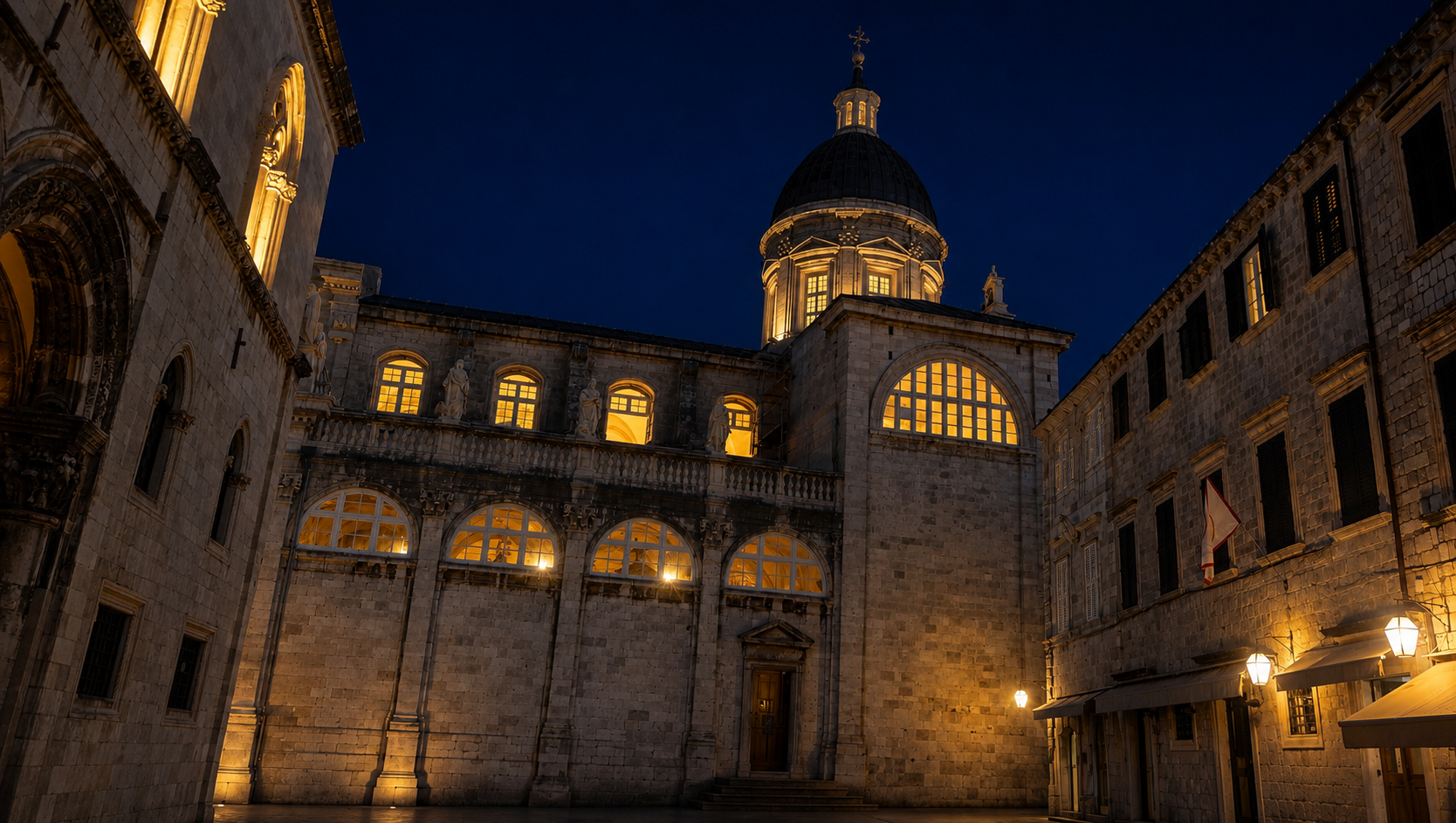
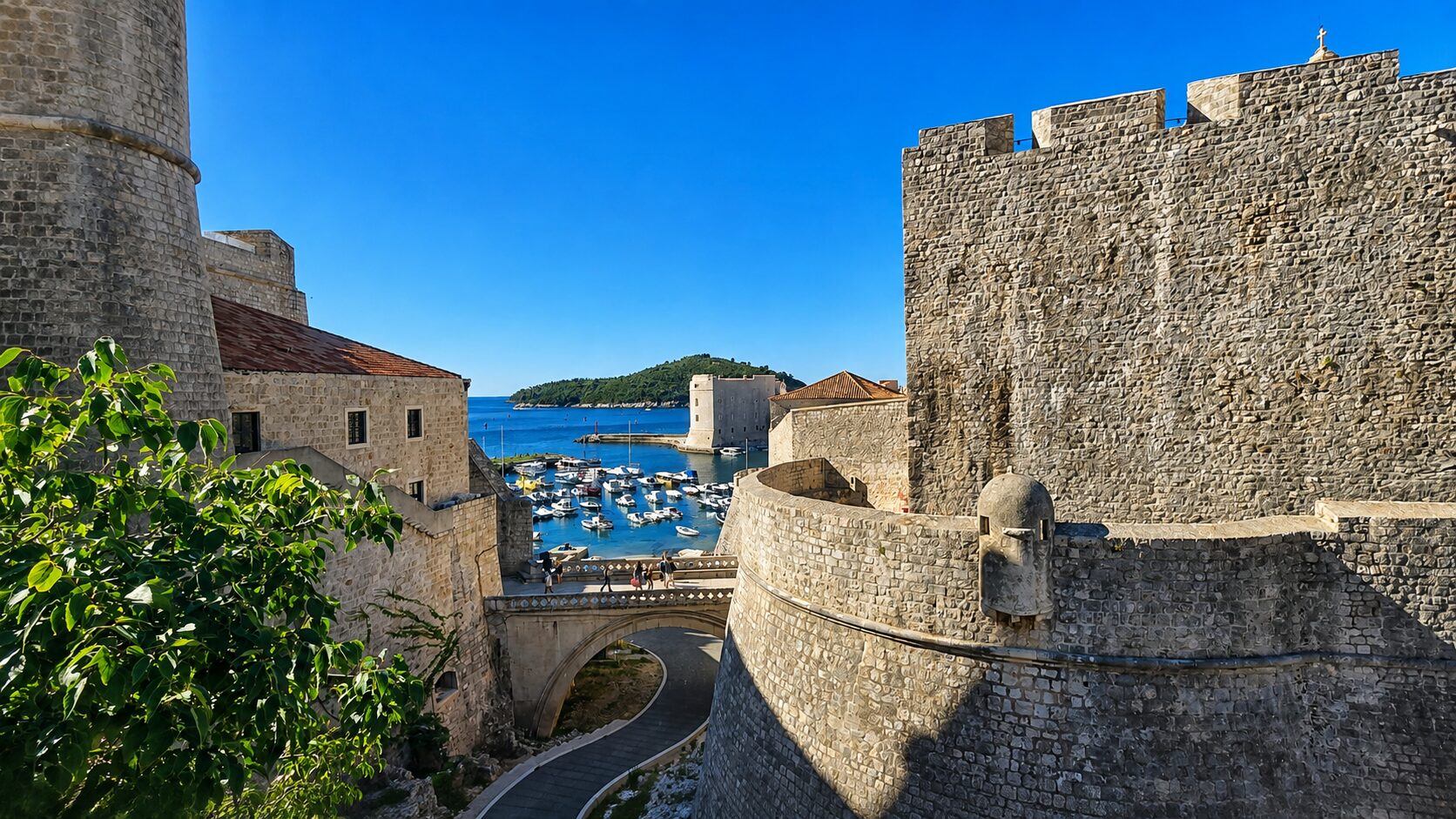
Dubrovnik is monumental. Cavtat is intimate.
Dubrovnik gives you walls, palaces, churches and the extraordinary history of the former Dubrovnik Republic.
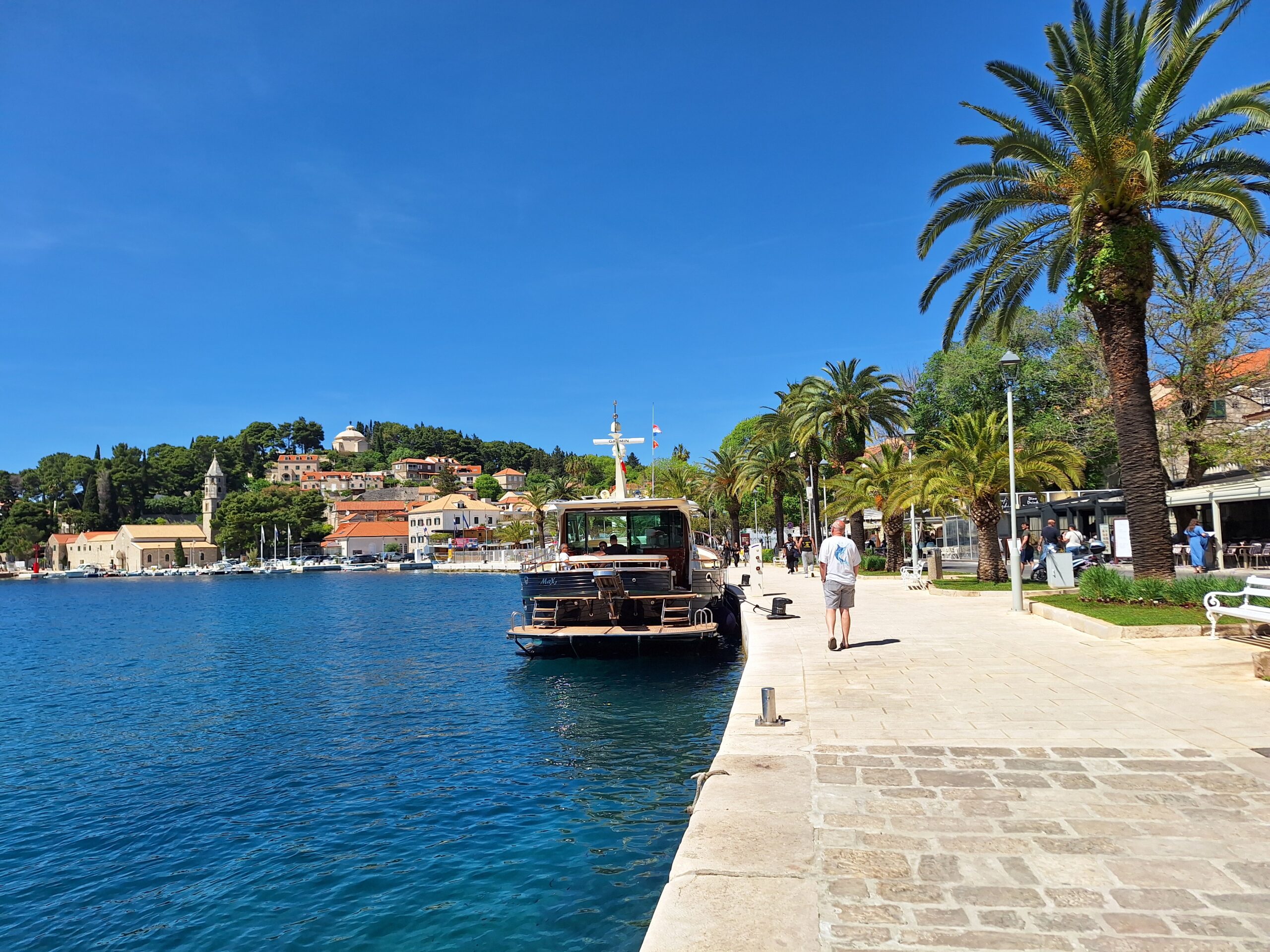
Cavtat gives you a harbour, pine trees, small streets and a much slower relationship with the Adriatic.
How Much Time Do You Really Have?
Before planning Cavtat, distinguish between three different things:
Your ship’s port stay
The published arrival and departure window.
Your usable time ashore
The hours between actually getting off the ship and the time you need to begin returning.
Your actual sightseeing time
What remains after transfers between the port, Cavtat and Dubrovnik.
Many cruise passengers arrive through Dubrovnik’s Gruž port, while the exact arrangements for getting ashore can vary depending on the ship and operating conditions.
A five-hour usable window can leave surprisingly little room for sightseeing once transfers and your return buffer are included. Depending on traffic and how efficiently you move between stops, you may have roughly two to three hours for the actual Cavtat-and-Dubrovnik experience.
Road-transfer times in this guide are planning ranges, not guarantees. Traffic can change the calculation, particularly during the busy summer season.
This is why I would never plan a cruise day right up to the ship’s all-aboard time.
If you are unfamiliar with Dubrovnik’s port arrangements, start with my Dubrovnik Cruise Port to Old City guide.
Which Itinerary Fits Your Time?
This is the decision I would make first.
If You Have 3–4 Usable Hours
Stay in Dubrovnik.
For a first visit, there is more than enough to justify spending the entire time in the Old Town.
Trying to add Cavtat would turn a short port call into a transfer exercise.
My 4 Hours in Dubrovnik from a Cruise Ship guide gives a more realistic plan for this amount of time.
If You Have Around 5 Hours
You can combine Cavtat and Dubrovnik, but keep the day selective.
A sensible outline is:
Cruise port
→ Cavtat
→ harbour and short waterfront walk
→ Dubrovnik
→ selected Old Town highlights
→ return to the ship
This is not the day for the full City Walls, a long restaurant lunch, several museums and multiple viewpoints.
Five hours is a highlights itinerary.
If You Have Around 6 Hours
Six hours gives you more flexibility.
A good structure is:
Cruise port
→ Cavtat
→ harbour + coffee, photographs or one cultural stop
→ Dubrovnik Old Town
→ panoramic viewpoint only if traffic and timing allow
→ return to the ship
If something needs to be removed, I would normally remove the viewpoint before shortening the Dubrovnik Old Town experience.
If You Have 7–8 Hours
This is the combination I like most.
You have enough time for:
Cruise port
→ Cavtat harbour and old streets
→ Rat peninsula or one cultural stop
→ a little free time
→ panoramic Dubrovnik viewpoint
→ Dubrovnik Old Town
→ guided historical walk
→ lunch, shopping or coffee
→ comfortable return to the ship
There is finally enough room for the day to breathe.
If panoramic stops interest you, my guide to the best panoramic views in Dubrovnik explains the main options.
Cavtat First or Dubrovnik First?
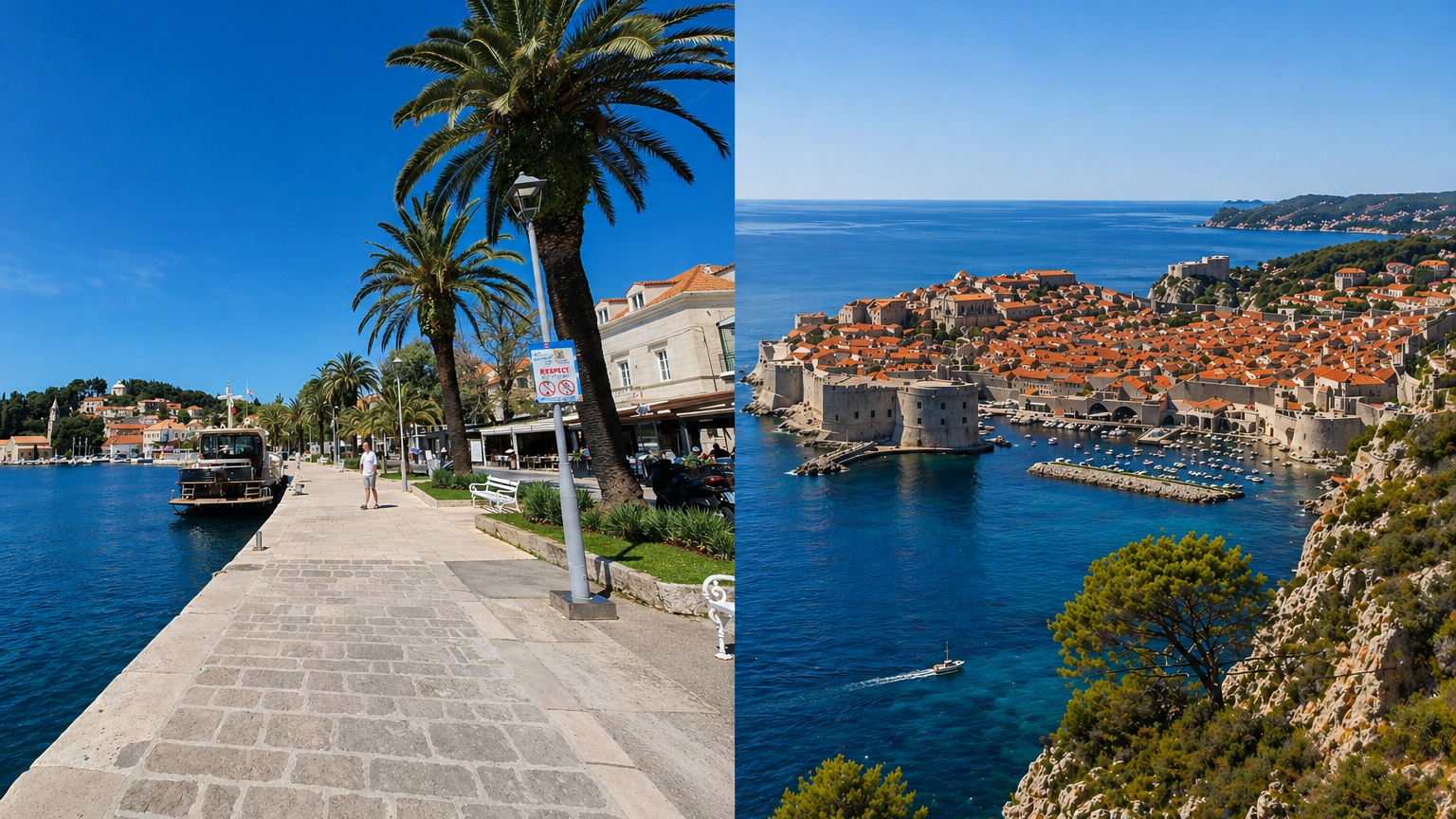
There is no fixed answer.
The right order depends on your arrival time, traffic, heat, crowds and what matters most to you.
Cavtat First Often Works Better When:
- Dubrovnik is expected to be busy in the morning
- several ships are visiting on the same day
- you want a quieter beginning
- your Old Town visit works better later
- your group prefers a gradual start
Beginning in Cavtat creates a calm first part of the day before moving into the intensity of Dubrovnik.
Dubrovnik First Can Be Better When:
- your ship arrives very early
- you can reach Old Town before the main crowds
- the City Walls are a priority
- you want to walk before the strongest heat
- your ship stays late enough for Cavtat afterward
If Old Town crowd timing is an important part of your decision, see my guide to the best time to visit Dubrovnik Old Town.
The itinerary should respond to your actual cruise day, not to a generic schedule found online.
How Long Should You Spend in Cavtat?
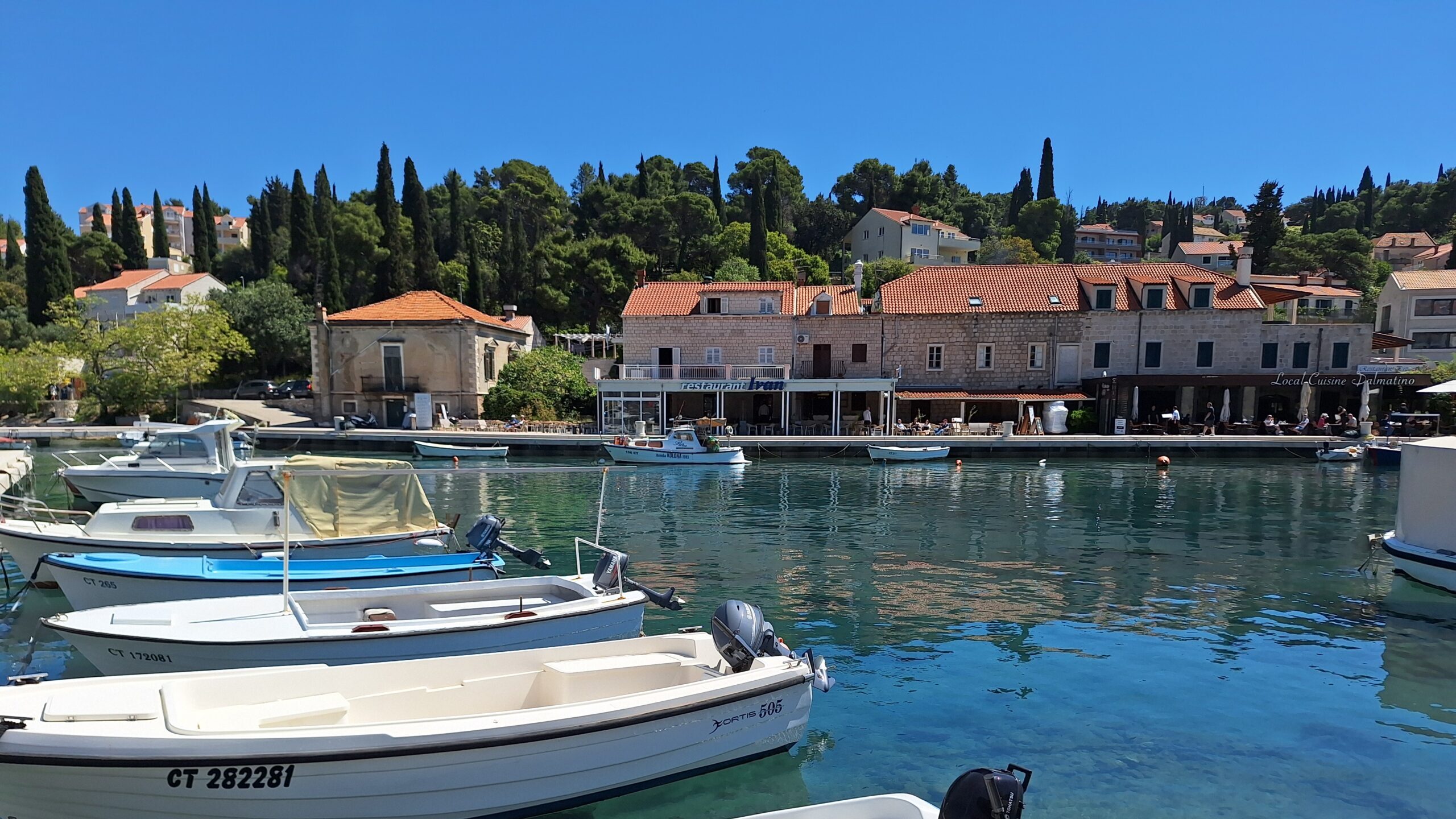
For most cruise visitors, I would allow one to two hours in Cavtat.
You do not need to see every attraction for the visit to be worthwhile.
If You Have One Hour
Keep it simple:
- walk along Cavtat harbour
- explore a couple of streets behind the waterfront
- browse the small shops and outdoor stalls
- walk a short section beside the sea
- take photographs
That is enough for a genuine first impression.
Trying to squeeze several monuments and museums into one hour usually makes the experience worse.
If You Have Two Hours
Add one experience according to your interests.
For art: Bukovac House.
For architecture and sculpture: Račić Mausoleum.
For scenery: spend longer around the Rat peninsula.
For relaxation: have coffee beside the harbour and simply enjoy Cavtat.
You do not need to do all of them.
What Should You Actually See in Cavtat?
Cavtat Harbour
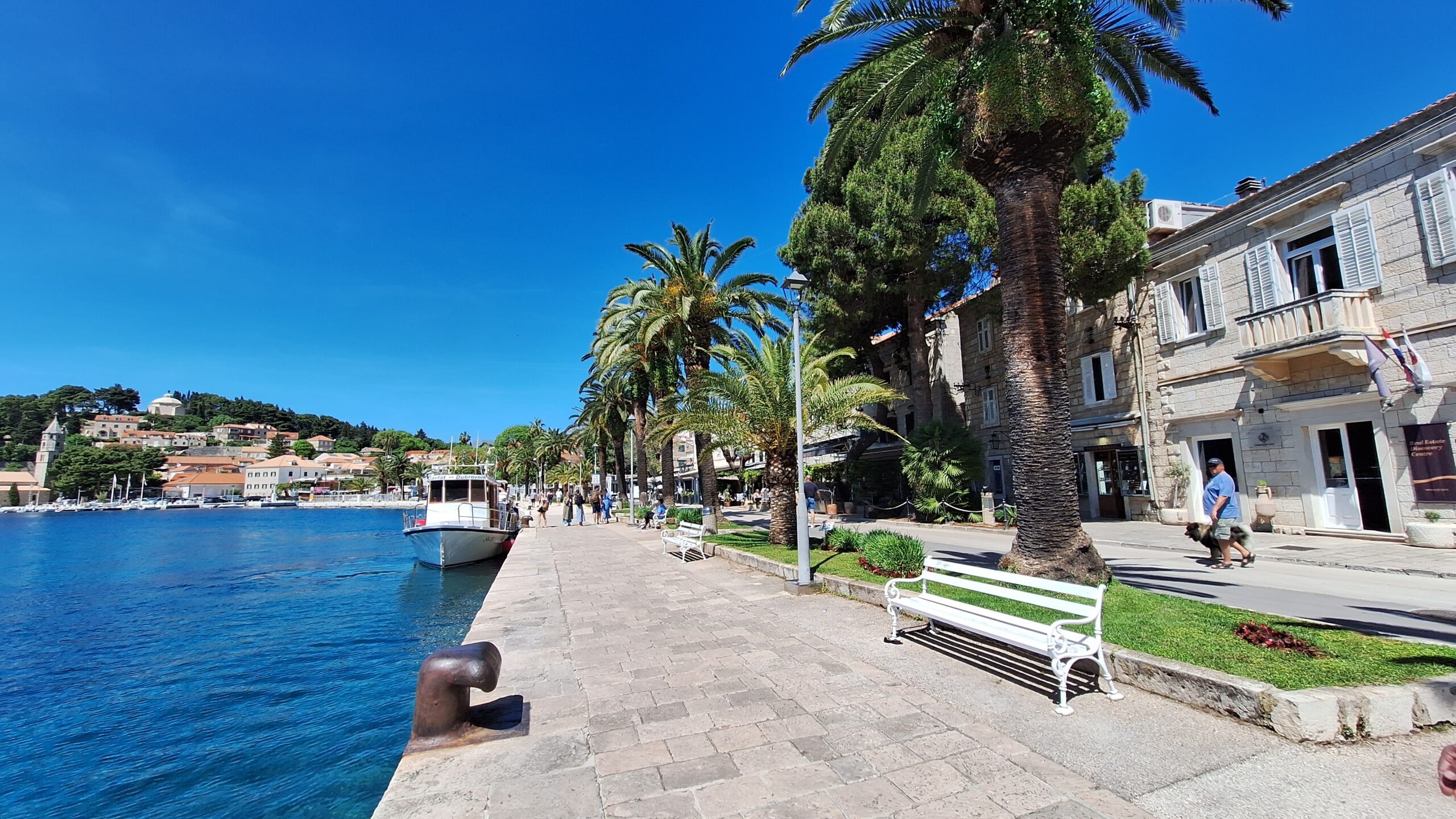
Start here.
Cavtat’s harbour immediately establishes the character of the town: boats along the waterfront, cafés facing the sea and small streets leading behind the promenade.
It feels very different from Dubrovnik’s compact, intensely historic Old Town.
And this is where I usually leave a little room for the unexpected.
The souvenir stop that became part of the day
On one visit, my guests noticed a small outdoor souvenir table near the harbour.
Then another one.
Then a little shop.
There was handmade jewellery, a gift for somebody at home and one more thing they wanted to inspect before we left.
Dubrovnik was still waiting for us, but we had enough time.
So we stayed.
Eventually, they continued happily with their little bags from Cavtat.
That experience reinforced something I have learned many times while guiding:
There is a difference between wasting time and enjoying time.
Sometimes the thing a guest remembers is not the monument you carefully planned to show them.
It is the little object they found beside the harbour.
Rat Peninsula
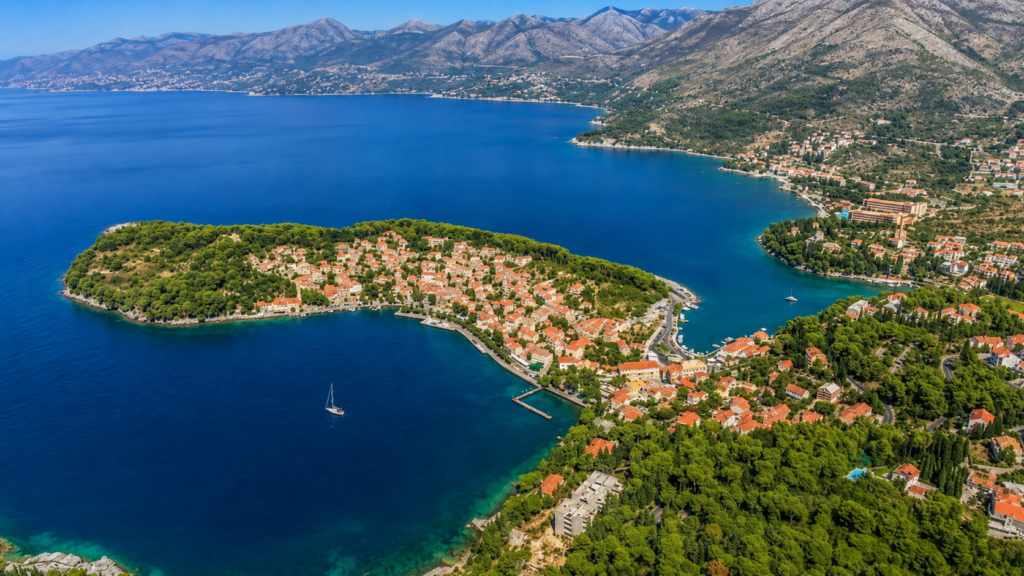
The Rat peninsula is ideal if you want more scenery than sightseeing.
You get pine trees, sea views, rocky swimming areas and a much quieter atmosphere than Dubrovnik Old Town.
You do not have to walk the entire circuit.
On a cruise day, a shorter section is usually enough.
Račić Mausoleum
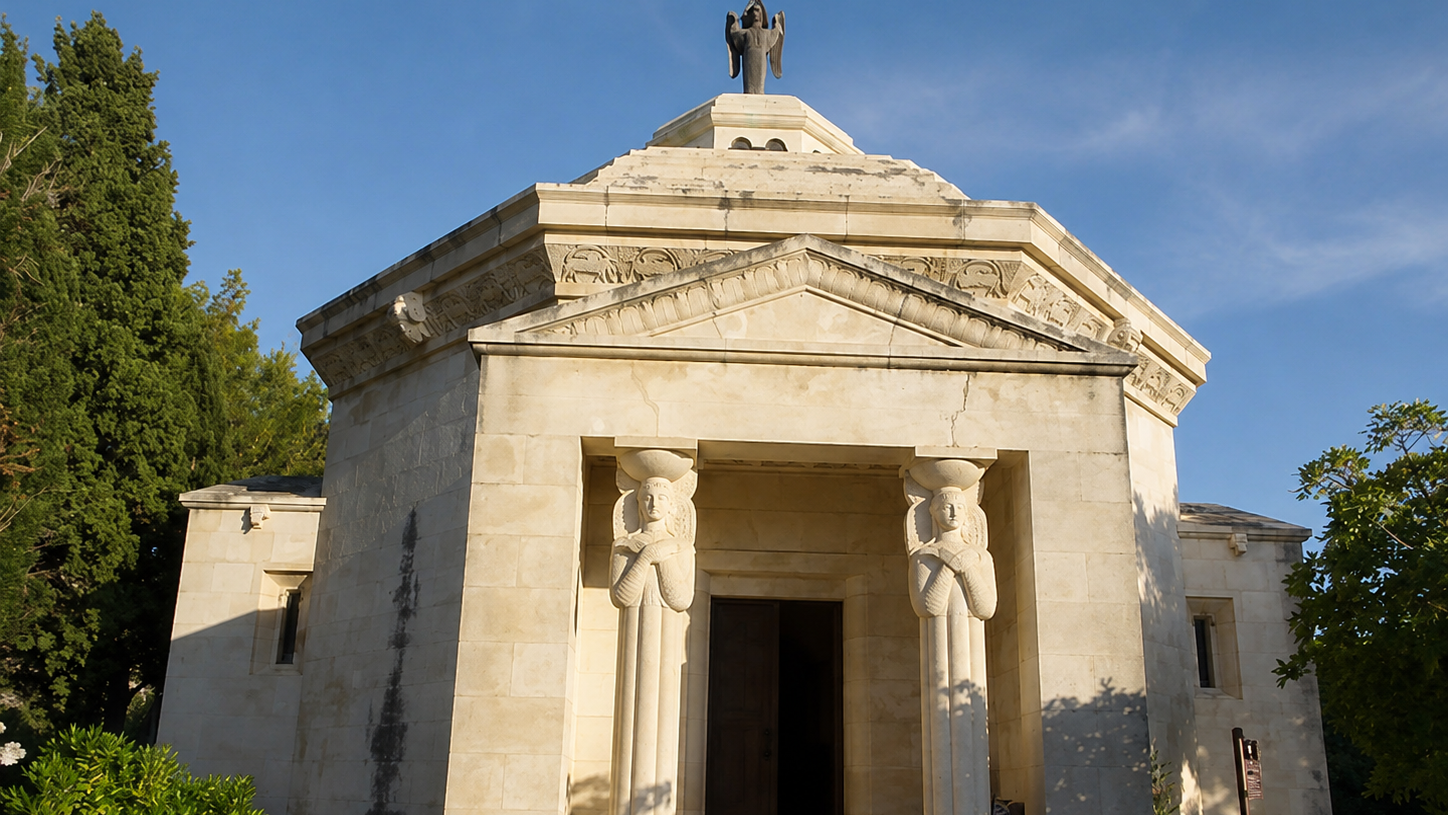
Above Cavtat on the Rat peninsula stands the Račić Family Mausoleum, designed by Croatian sculptor Ivan Meštrović.
The mausoleum combines architecture, sculpture and symbolism and feels very different from the waterfront below.
The uphill walk is relatively short, but during the hottest part of July and August I would choose the timing carefully.
Bukovac House
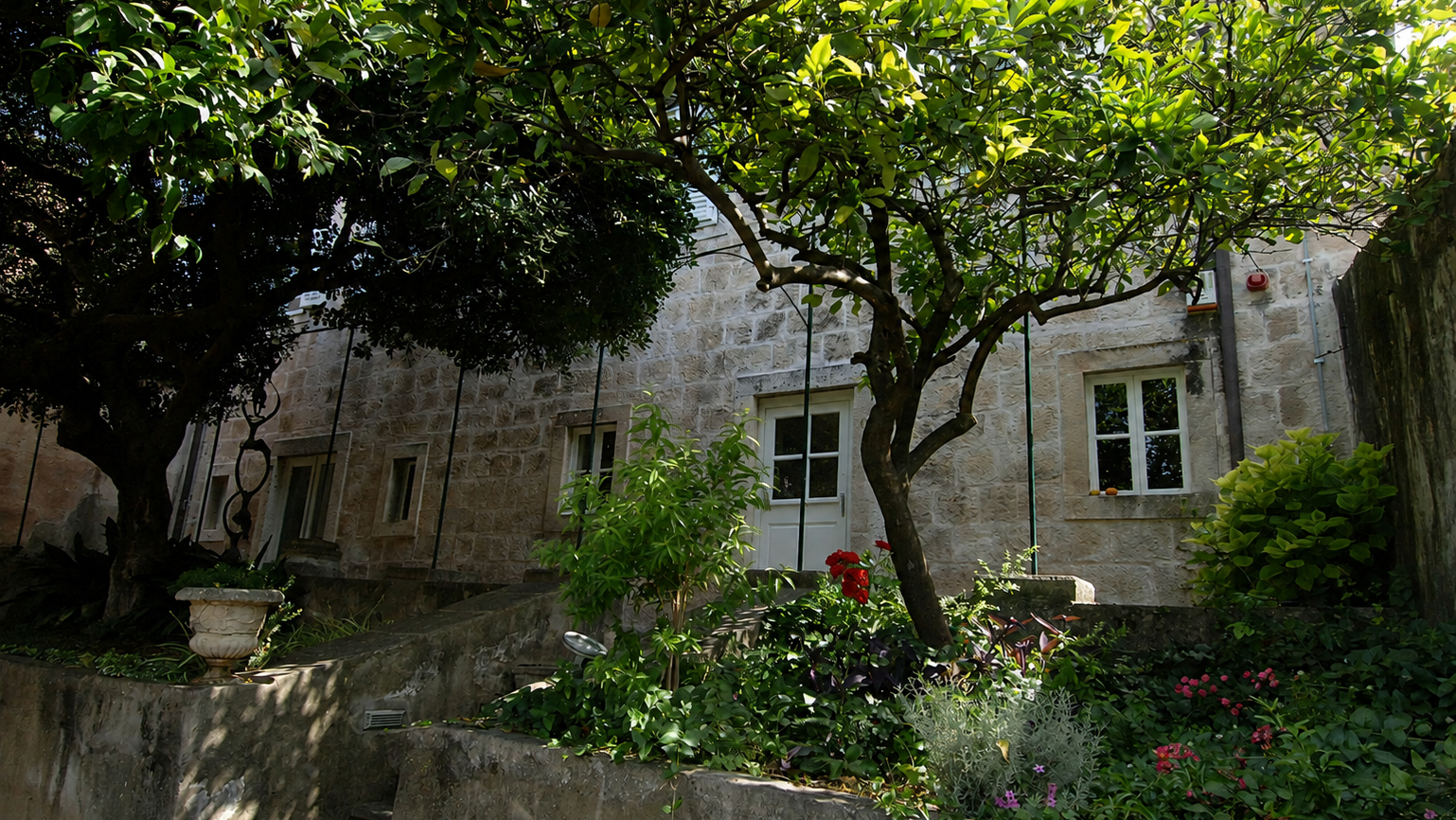
Vlaho Bukovac was born in Cavtat in 1855 and became one of Croatia’s best-known painters.
Bukovac House is particularly interesting because it was his actual family home, not simply a museum later dedicated to him.
Some interior decoration relates to work he created when he was young, before his career took him to cities including Paris and Prague.
If you want to visit, check the official museum opening hours shortly before your trip rather than building a tight cruise schedule around an old timetable.
Why Cavtat Has More History Than It First Appears
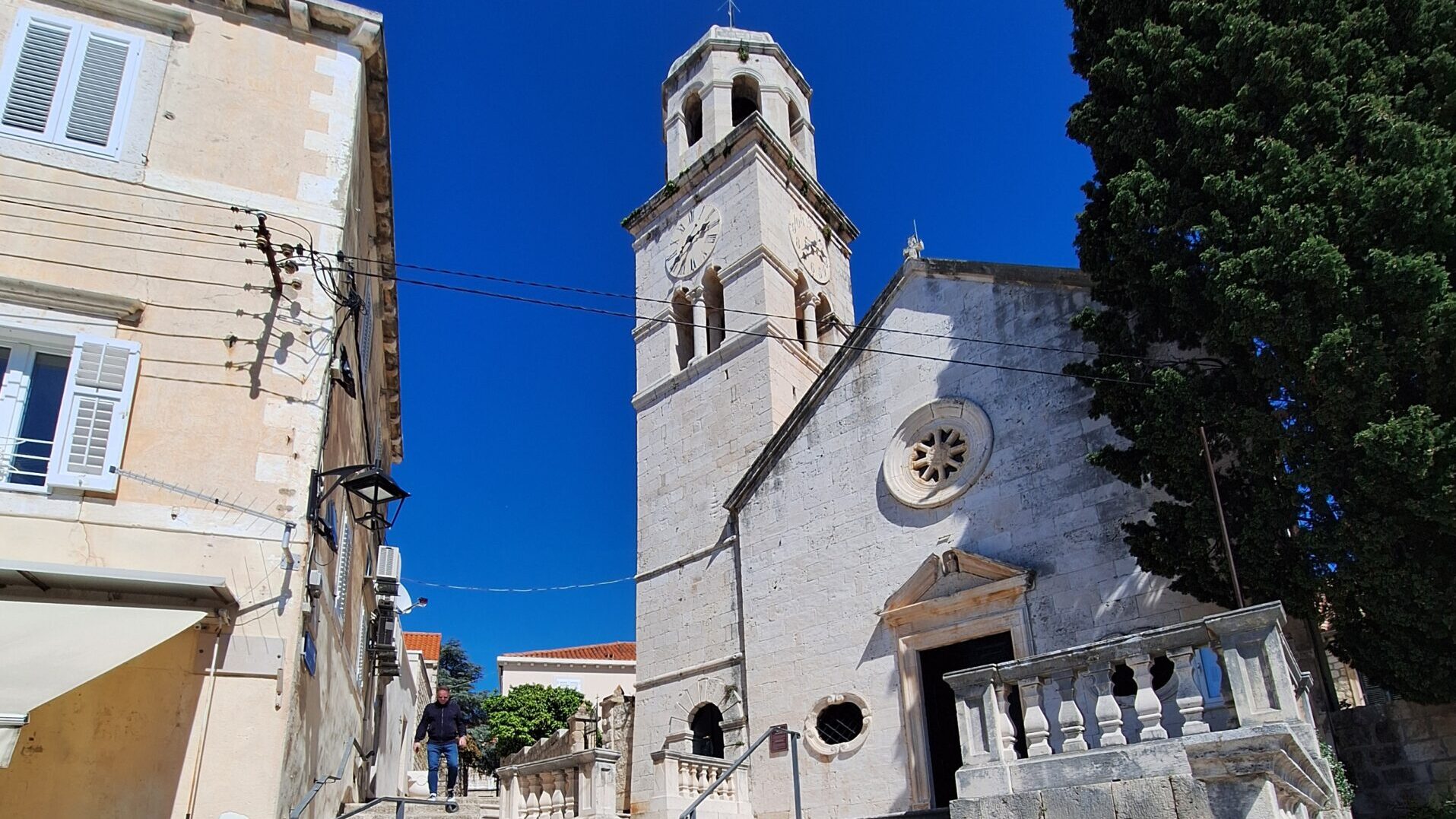
Modern Cavtat stands on the site of ancient Epidaurum, an important Roman settlement.
Cavtat later became closely connected with Dubrovnik. During the Dubrovnik Republic, Cavtat became an important port and centre of trade and administration.
The town is also associated with Baltazar Bogišić, a distinguished legal scholar, historian and ethnographer.
The Bogišić Collection in Cavtat contains books, manuscripts, maps, archival material and museum objects. It is a specialised cultural stop rather than something I would automatically add to a short cruise itinerary.
If this subject genuinely interests you, it is worth researching separately.
For everyone else, the harbour, Rat peninsula and one cultural site provide a much better short visit.
How to Get from Dubrovnik to Cavtat
There are four main practical options.
| Transport | Best for | What to know |
|---|---|---|
| Bus No. 10 | Budget travellers | Cheapest; you follow the timetable |
| Seasonal boat | Scenic day trips | Seasonal and weather-dependent |
| Taxi / ride app | Shorter visits | Greater control over timing |
| Private transport | Cruise passengers | Easiest to adapt around the ship |
Dubrovnik to Cavtat by Bus
Libertas Line 10 connects Dubrovnik and Cavtat.
At the time this guide was updated in August 2026, the official one-way fare to Cavtat is €4.
Libertas currently lists daily service in both directions, but timetables can change.
Check the current official information before travelling:
For somebody staying several days in Dubrovnik, the bus is an excellent budget option.
For a cruise passenger, the more important question is whether the timetable fits your return deadline.
Dubrovnik to Cavtat by Boat
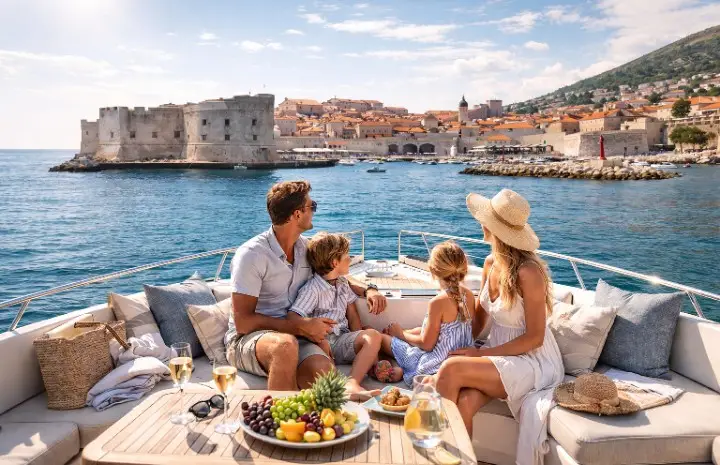
Seasonal boats can be one of the most enjoyable ways to reach Cavtat.
Instead of treating the journey as lost time, you see the coast from the water and arrive directly into Cavtat harbour.
Depending on the operator, departure point and intermediate stops, allow approximately 30–60 minutes.
Check the actual service running on your travel date because operators and schedules vary seasonally.
Boat services can also depend on weather and sea conditions.
For a relaxed holiday day, that is usually manageable.
For a cruise day, I would be more cautious about relying on a tightly timed boat connection for the return.
A scenic journey is wonderful. A missed ship is not.
Dubrovnik to Cavtat by Taxi or Ride App
By road, allow roughly 20–30 minutes in normal conditions.
That is a planning range rather than a promise. Heavy traffic can make it longer.
Prices vary according to provider, pickup point, vehicle and demand, so check the actual fare before travelling.
For cruise passengers, the main advantage is not luxury.
It is control over timing.
What About a Rental Car?
I would not rent a car simply to visit Cavtat.
It makes much more sense if Cavtat is part of a wider day exploring Konavle, villages, wineries, beaches or other places south of Dubrovnik.
For Cavtat alone, bus, taxi or arranged transport is usually simpler.
Should You Add the Dubrovnik City Walls?
This depends on your priorities.
If the City Walls are one of the main reasons you are visiting Dubrovnik, give them proper time.
Do not squeeze them into the end of a five-hour itinerary that already includes Cavtat, a viewpoint and lunch.
For a short port call, I would often choose:
Cavtat + Dubrovnik Old Town
or
Dubrovnik Old Town + City Walls
rather than doing all three badly.
My Dubrovnik City Walls guide explains what the walk involves and how much time to allow.
When Should You Skip Cavtat?
This may be the most useful part of the guide.
Skip Cavtat if you have less than four usable hours
Stay in Dubrovnik.
Skip Cavtat if the City Walls are your main priority
Give the walls enough time.
Skip Cavtat if you are already adding Lokrum
Cavtat + Dubrovnik + Lokrum can easily become a day of connections rather than experiences.
Skip Cavtat if you want a deep Dubrovnik visit
There is nothing wrong with spending the entire day understanding one place properly.
Skip Cavtat if you only have twenty minutes for it
A quick photograph does not really give you the reason to go.
Cavtat works best when you have enough time to walk along the water and let the pace change.
So, Is Cavtat Worth Adding to a Dubrovnik Cruise Day?
Yes — if the time is right.
My recommendation is simple:
Under four usable hours: stay in Dubrovnik.
Around five hours: add Cavtat only if seeing both matters more to you than going deeply into Dubrovnik.
Around six hours: the combination works well, but keep extra stops optional.
Seven to eight hours: this is the itinerary I would choose for guests who want both history and a more relaxed coastal experience.
If the City Walls are your priority: consider skipping Cavtat unless you have a long port stay.
If relaxation and scenery matter more: Cavtat becomes much more worthwhile.
The goal should never be to prove how many places you managed to visit.
It should be to create a day you actually enjoyed.
FAQ: Cavtat and Dubrovnik in One Day
Can you see Cavtat and Dubrovnik in one day?
Yes. For cruise passengers, around five usable hours is the minimum I would normally consider, while seven to eight hours creates a much more comfortable day.
How much time should I allow in Cavtat?
For most cruise visitors, I would allow one to two hours.
One hour gives you a good introduction to the harbour and waterfront. With two hours, you can comfortably add the Rat peninsula, Bukovac House or the Račić Mausoleum.
How far is Cavtat from Dubrovnik?
Cavtat is approximately 18–20 kilometres southeast of Dubrovnik, depending on where you start.
By road, use roughly 20–30 minutes as a planning range in normal conditions.
How much is the Dubrovnik to Cavtat bus?
As of August 2026, Libertas lists the one-way fare to Cavtat at €4.
Always check the official fare list before travelling.
How long does the bus take?
Allow roughly 30–40 minutes as a planning estimate, depending on traffic.
Is there a boat from Dubrovnik to Cavtat?
Yes. Seasonal operators connect Dubrovnik and Cavtat.
Journey times vary according to the operator and stops, so allow approximately 30–60 minutes and check the current service.
Is taxi or bus better for cruise passengers?
If budget is the priority, bus is much cheaper.
If you have limited time and need more control over your schedule, taxi or arranged transport is usually easier.
Should I visit Cavtat or walk the Dubrovnik City Walls?
With a short port call, choose according to your main interest.
Choose Cavtat for a slower coastal contrast.
Choose the City Walls if Dubrovnik’s architecture and views are the priority.
Can I visit Cavtat independently?
Absolutely.
Cavtat’s harbour and central historic area are easy to explore on foot once you arrive.
Prefer to Have the Day Arranged?
You can organise Cavtat and Dubrovnik independently.
For cruise passengers, however, this particular combination is one of the itineraries where private arrangements can be genuinely useful — not because you need a guide simply to reach Cavtat, but because traffic, the cruise deadline and the order of the day all matter.
If Dubrovnik becomes unexpectedly busy, the order can change.
If traffic is heavier than expected, a viewpoint can be removed.
If you love Cavtat and want another twenty minutes there, another part of the itinerary can be adjusted.
Our private Cavtat and Dubrovnik shore excursion can include cruise-port pickup, private transport, Cavtat, panoramic viewpoints when appropriate, a private Dubrovnik Old Town experience and return to the ship with a comfortable buffer.
The purpose is not to fit more into your cruise day.
It is to make the time you actually have work better
About the Author
Ajla Hadžić is a licensed local guide in Dubrovnik with more than a decade of guiding experience. She regularly works with visitors arriving by cruise ship and creates private itineraries around Dubrovnik, Cavtat and the surrounding region. Her cruise-day recommendations are based on first-hand guiding experience and the practical realities of local transport, traffic, crowds and ship schedules.